



Top-rated drywall pros.

Get matched with top drywall pros in Rapid City, SD

Enter your zip and get matched with up to 5 pros

Need a pro for your drywall service project in Rapid City, SD?

Select your specific project to find the pro for you.

TRUSTED BY RAPID CITY, SD HOMEOWNERS

  • Average homeowner rating star icon4.5
    Average homeowner rating
  • Verified reviews icon79
    Verified drywall services reviews

Find Drywall pros in Rapid City

Avatar for Josh's Home Services
Josh's Home Services
New to Angi
Drywall - Install

Serving Rapid City, SD and surrounding areas

Approved

In business since 2006

Free estimates

Emergency services offered

Josh's Home Services proudly serves its customers with pride, integrity and attention to the details that matter most to you. This is one of the many things that sets us apart from the rest. We are locally owned and operated. Give us a call today!

1 neighbors recently requested a quote
Avatar for Concept Development LIC
Concept Development LIC
4.5(
17
)
Drywall - InstallDrywall - Install - For BusinessDrywall - Repair+1 more

Serving Rapid City, SD and surrounding areas

In business since 2012

Free estimates

Credit card accepted

"I contacted them for a project we are looking into to do down the line and Concept Development was very responsive and came right away to give us a quote in which they proved within a coupe of days. The Quote was also very reasonable!"
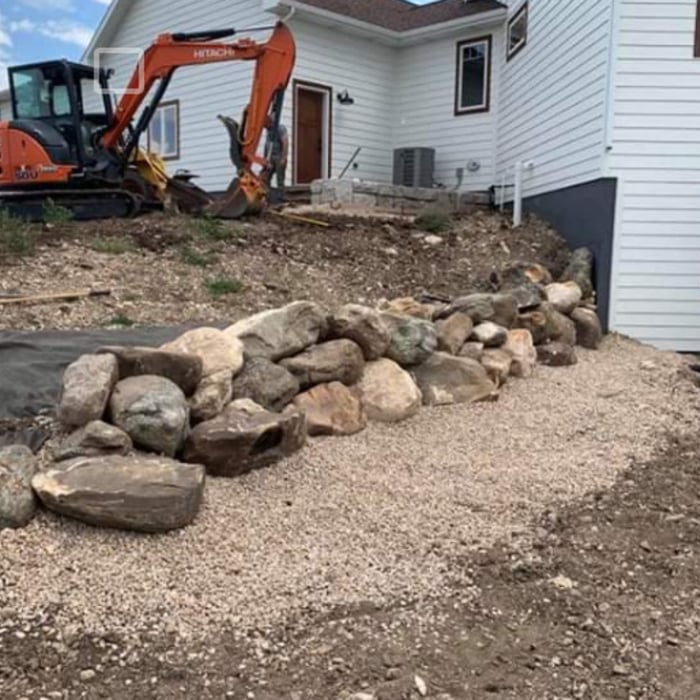
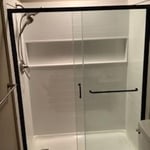
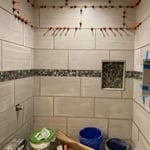
Custom shower
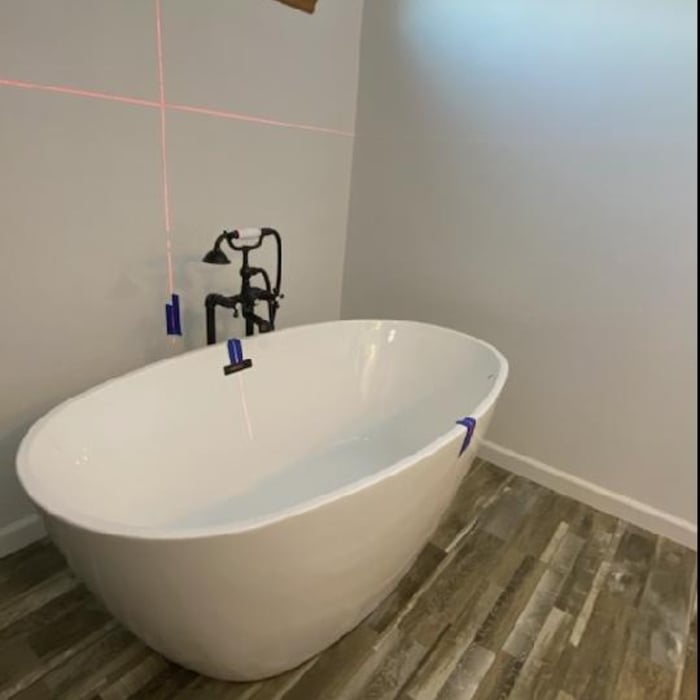
Custom bathroom
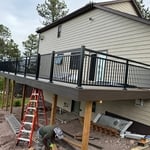
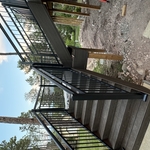
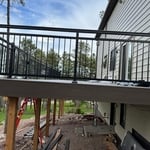
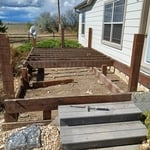
Here we are removing the old deck or the new additional rebuild
Before
Custom shower

+17

Response time3 days
Response rate100%
Recommended by75%of homeowners
...
Showing 1-10 of 82
Drywall questions, answered by experts

Yes, if there is mold in your drywall mud and you then use it to build walls in your house—or if mold develops in your set drywall, like it can in hot and humid areas—it can lead to illness. Mold in your drywall (or other parts of your home) can make existing respiratory conditions or allergies worse, and the effect can be more intense for those who have existing health issues or compromised immune systems.

When you are learning how to tape and mud drywall, waiting for things to dry requires a lot of patience. So how long does drywall mud take to dry? On average, it takes about 24 hours. However, it depends on things like the thickness of the mud, as well as the room’s temperature, humidity, and ventilation. Using thin layers of mud in a warm, low-humidity room with good airflow reduces average drying time. You also could speed up drying time by making use of hot drywall mud, which consists of a powder that you mix with water, instead of using pre-mixed mud. 

The time it takes for thinset to dry is determined by your room’s ambient temperature and humidity levels. Assuming the average humidity level is around 40% with an average temperature of 70 degrees Fahrenheit, thinset can dry within 48 hours. Lower temperatures and higher humidity can extend the curing process beyond 72 hours, while high heat and zero humidity can shorten the curing process. However, thinset can crack if it dries too fast.

Although they have similar applications, spackle and joint compound are not the same. Their primary differences lie in their composition, consistency, and ideal use cases.

Spackle is composed of gypsum and binding agents, making it thicker than joint compound. It dries quickly and is easy to sand, which makes it ideal for small wall repair projects like filling nail holes or patching minor damage.

Joint compound, also known as drywall mud, consists of limestone and gypsum. It is primarily used for large-scale projects, such as taping and finishing the seams on newly installed drywall. It tends to shrink more than spackle and can be more difficult to spread.

While both products can be used to fill small depressions and cracks, spackle cannot replace joint compound for taping and mudding new drywall. Conversely, you can often use joint compound for small patching jobs typically done with spackle.

The short answer is yes, a sagging plaster ceiling is dangerous. Sagging plaster on a wall is something you should fix immediately, but it isn’t a major concern. If the same type of sagging occurs on a ceiling, however, you could be in danger of your ceiling falling in large chunks. When plaster sags, it loses its strength and ability to hold itself up. The bonds that hold it together are strong, though, so if a sagging area falls, it will take large pieces down with it.

The Rapid City, SD homeowners’ guide to drywall services

From average costs to expert advice, get all the answers you need to get your job done.