



Top-rated plaster repair specialists.

Get matched with top plaster repair specialists in Plankinton, SD

Enter your zip and get matched with up to 5 pros

Need a pro for your plaster repair project in Plankinton, SD?

Select your specific project to find the pro for you.

Find Plaster repair specialists in Plankinton

Square Construction
New to Angi
Plaster - InstallPlaster - Repair

Serving Plankinton, SD and surrounding areas

In business since 2024

Free estimates

Offers commercial services

Square Construction is a locally owned and operated company that values honesty and integrity in all aspects of our business. Our dedicated team of professionals have years of hands-on experience, to provide innovative ideas and suggestions tailored to your projects. Our services are customized to your individual needs, paying close attention to the details of each project that we are involved with. Please feel free to contact us today!

Plaster Repair questions, answered by experts

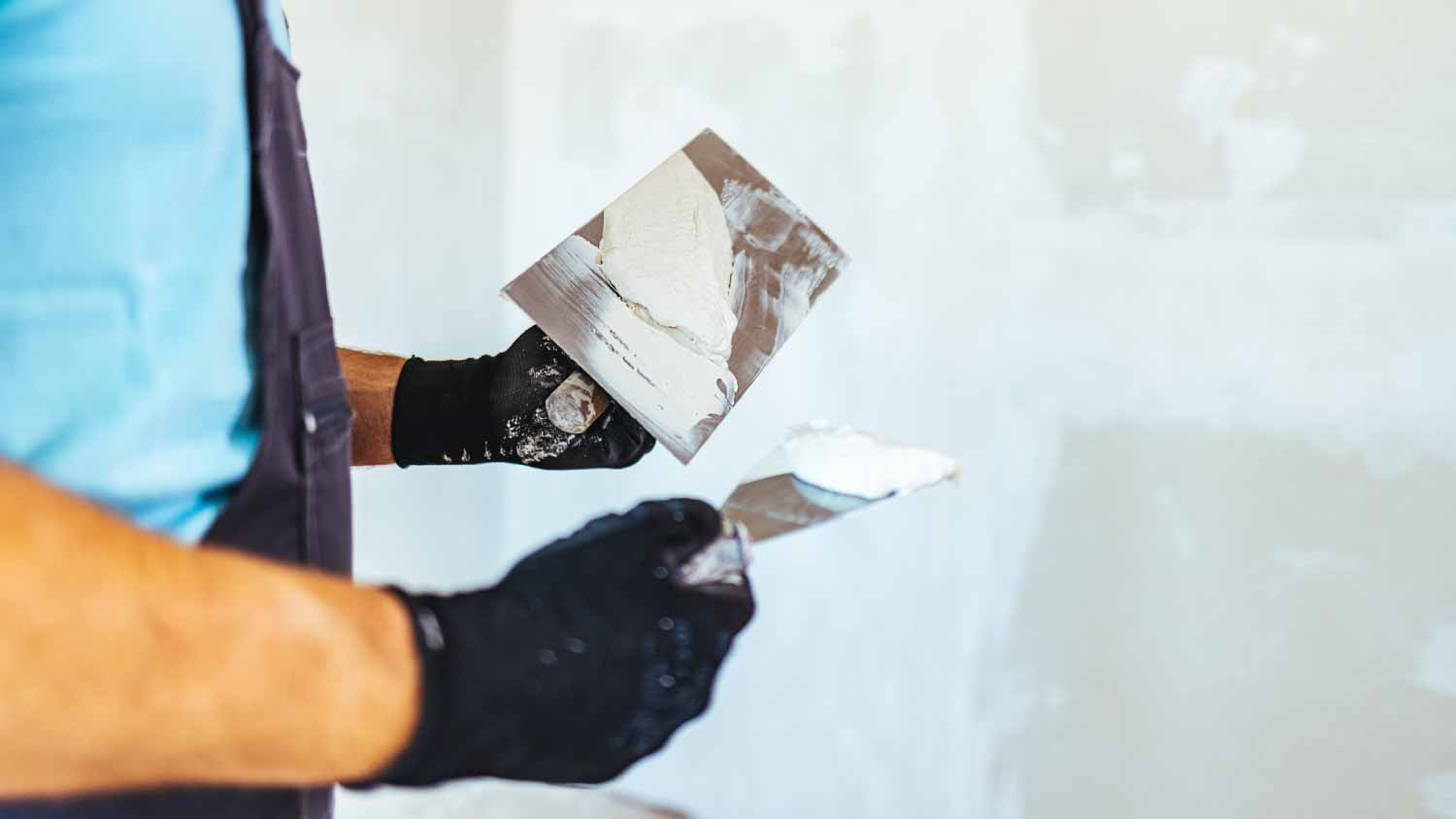
Plastering and skimming are two different techniques for finishing walls. Plastering involves applying a thick layer of a plaster mixture—typically containing gypsum, lime, cement, sand, and water—to create a new surface. This process often requires multiple coats and is used for repairing significant damage or creating decorative textures. Skimming, on the other hand, is a technique that involves applying a thin layer of drywall compound or joint compound over an existing surface to smooth it out, covering minor imperfections, small cracks, or uneven textures for a polished look. Plastering is generally more costly and labor-intensive than skimming. Although some people use the terms interchangeably, they refer to different processes and materials.

Costs depend on damage size, labor rates, and whether additional services like painting are required.

While it’s most common to sand plaster dry, it is possible to wet-sand plaster, too. Doing so can reduce the amount of plaster dust released into the air and make it easier to work in smaller, more delicate areas (such as around wall trim). However, some people find that wet sanding leads to more imperfections, which is why larger walls are more often dry sanded to ensure an even finish.

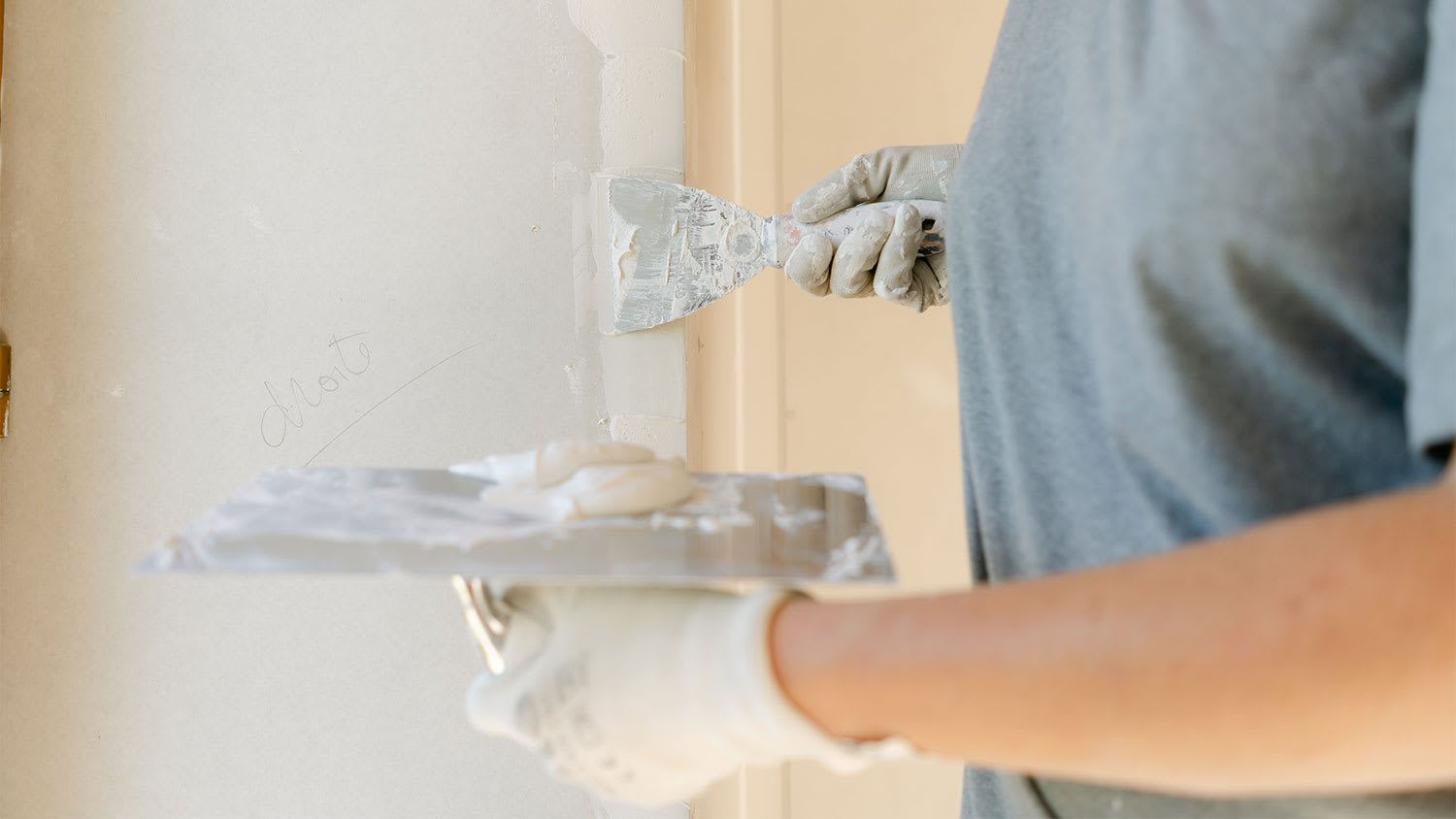
If the holes in the plaster are small, you can fill them with layers of patching plaster until they’re filled. After it dries, you can sand the plaster and paint over it. If the hole is much larger, consider using bonding plaster first and then a layer of patching plaster, completing the process with sanding and a layer of paint.

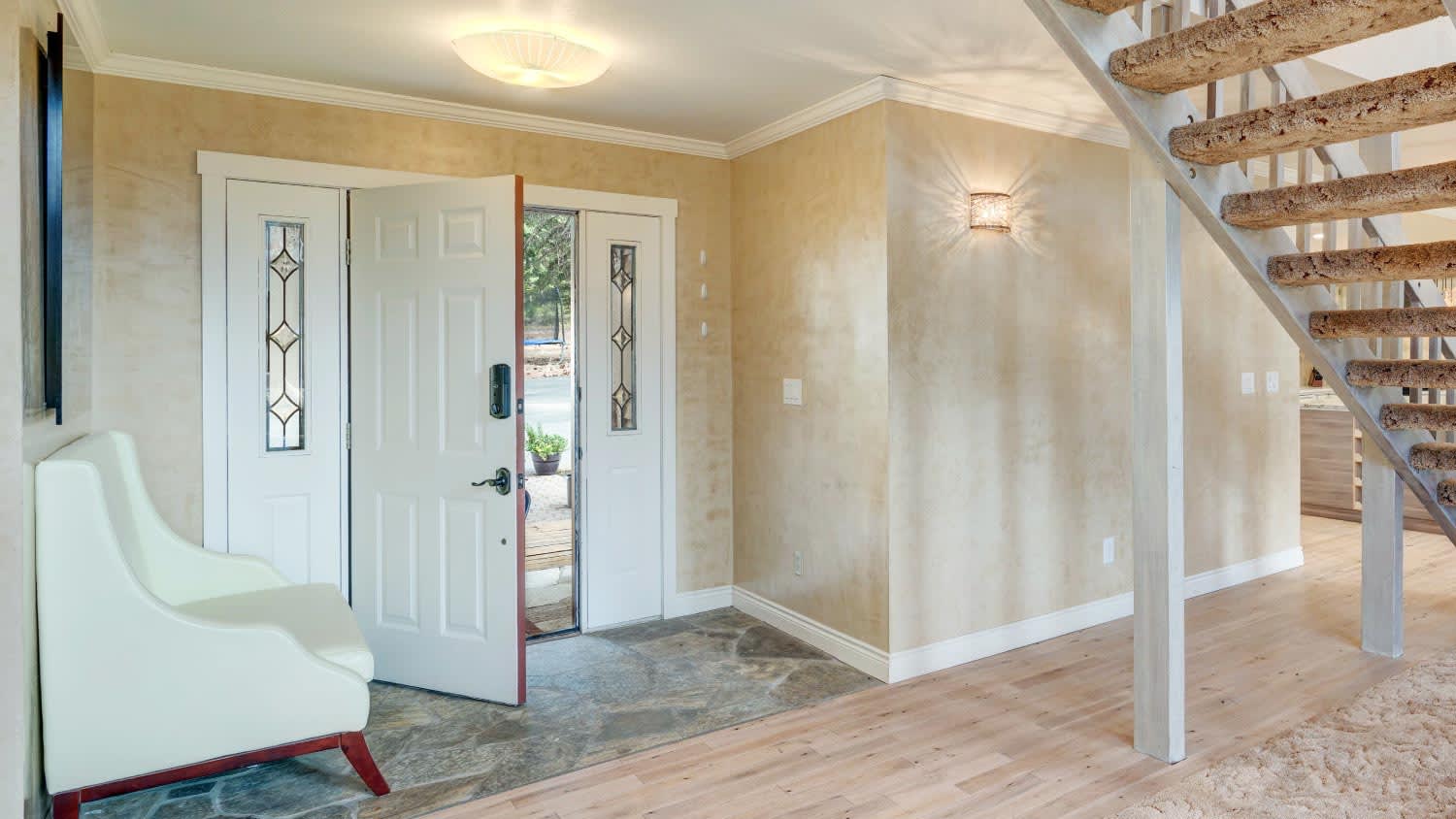
Venetian plaster is a highly durable wall finish that becomes a rock-like substance once dried, making it last longer than most other wall finishes. Its lifespan can range from decades to centuries, potentially lasting a lifetime. Key factors influencing its longevity include the quality of the initial application, whether it's properly sealed against moisture, and how the wall is maintained and treated (e.g., how often it is touched or bumped). Due to its mineral content, it can also develop a patina over time.

The Plankinton, SD homeowners’ guide to plaster repairs

From average costs to expert advice, get all the answers you need to get your job done.