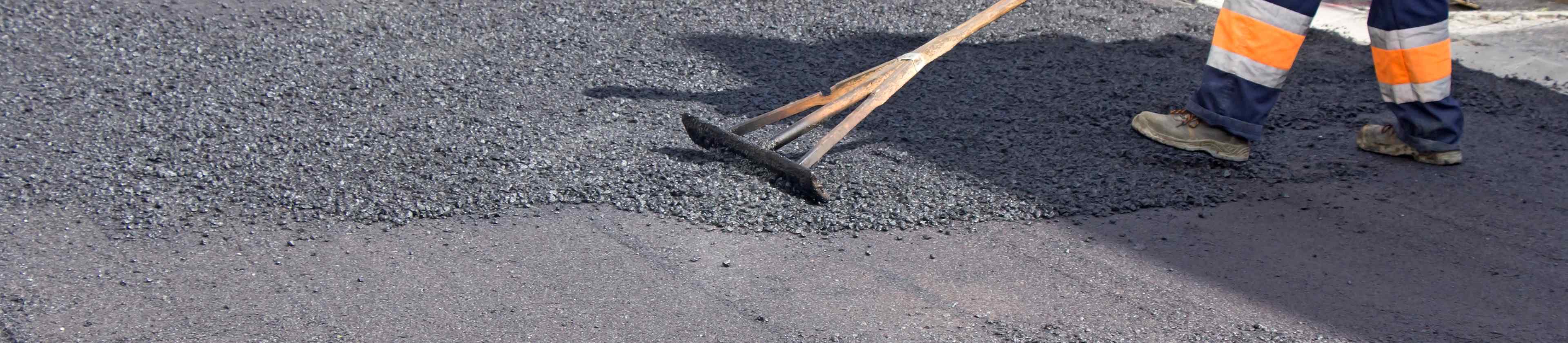


If your driveway is cracked, you can repave it with a process called asphalt overlay. Overlay is more cost-effective than a full replacement but is better suited for minor cracks and issues. If you have major cracks or other problems like water pooling, asphalt overlay isn’t your best bet. Plus, paving over a cracked driveway only extends the lifetime by about 10 years, whereas replacing it would start the clock over completely to give you up to 30 years.
When comparing installation costs, asphalt is often less expensive upfront than concrete. Asphalt prices typically range from $7 to $15 per square foot, while concrete can range from $3 to $18 per square foot. However, long-term costs should also be considered. Concrete driveways generally last longer (up to twice as long) and require less maintenance, which can make them more affordable over their lifespan. While asphalt has a lower installation cost and is easier to repair, it requires more frequent maintenance, such as sealing, which can add up over time. Therefore, while concrete is more expensive initially, its durability may offset the cost in the long run.
While paving a driveway is possible to do as a DIY project, we don’t recommend it. Hiring a driveway professional to pave it will ensure that your driveway looks neat and clean and lasts for years to come, and it will also prevent a weak driveway and, potentially, damage to your foundation. Paving a driveway requires heavy machinery, and while you can rent the equipment needed, operating it close to your garage slab or around your home’s foundation can crack it and lead to structural issues.
While some areas may allow for a slope of up to 20%, this is often the maximum slope for driveways, with a few exceptions of up to 25%. Other regions may have a maximum of 12%, 15%, or 18%, so check with your local building department to ensure you’re laying a driveway that is up to code for your location.
Three inches is a great thickness for a residential asphalt driveway that sees minimal to moderate traffic from cars, SUVs, and pickup trucks. However, a thicker driveway can better withstand the weight of a heavier vehicle, such as a trailer or a recreational vehicle. If you drive a heavy vehicle on a thin driveway, you risk cracking and damaging it.
The Plankinton, SD homeowners’ guide to asphalt driveway services
From average costs to expert advice, get all the answers you need to get your job done.
Asphalt driveways take anywhere from 48 to 72 hours to dry enough for vehicles. Stay tuned to learn more about how long before you can drive on asphalt.