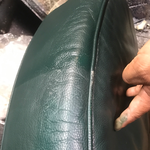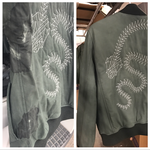
"When no one locally even responded to my inquiries for a quote, Michelle got back to me the same day with a quote and description of how the repair would be done. It's a slight downside to have to ship one glove coast to coast for a minor repair on one finger. But the cost of shipping and the repair is much less than purchasing another $100 pair of gloves! The repair took a little longer than anticipated, but shipping time had to be factored in as well. Michelle was very prompt with communications during the process. Cost of service below did not include shipping which was about $16 round trip. The glove returned good as new...well as good as it's pair. The glove is two years old. But the seam was totally resewn and reinforced. Michelle stated she did not want to the issue to happen again. I hope it won't. The problem started with my fingers rubbing. Very happy with the service from Premier. I wish they had a shop in Maryland!"
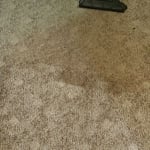
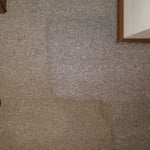
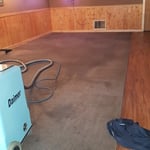
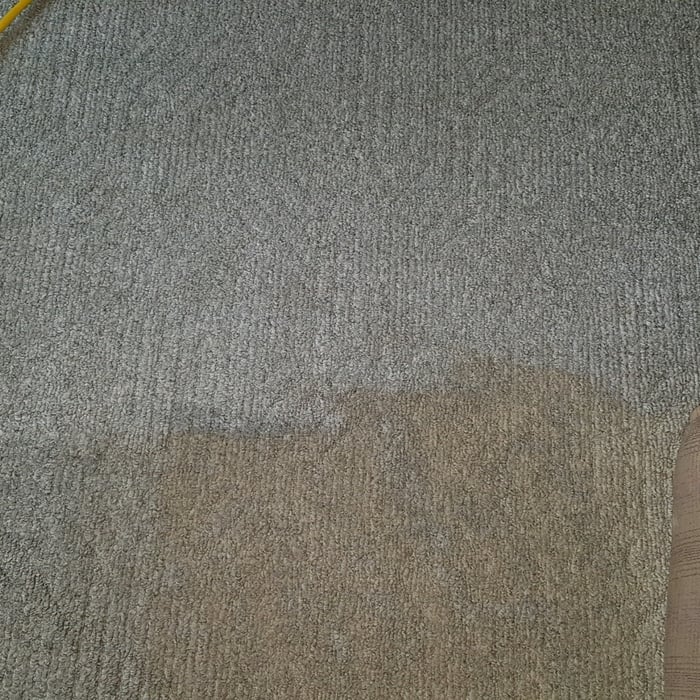
"Very prompt and courteous customer service. Worked with my schedule and did great work. Went above and beyond and cleaned all flooring in my apartment and not just the carpet. Very impressed!"
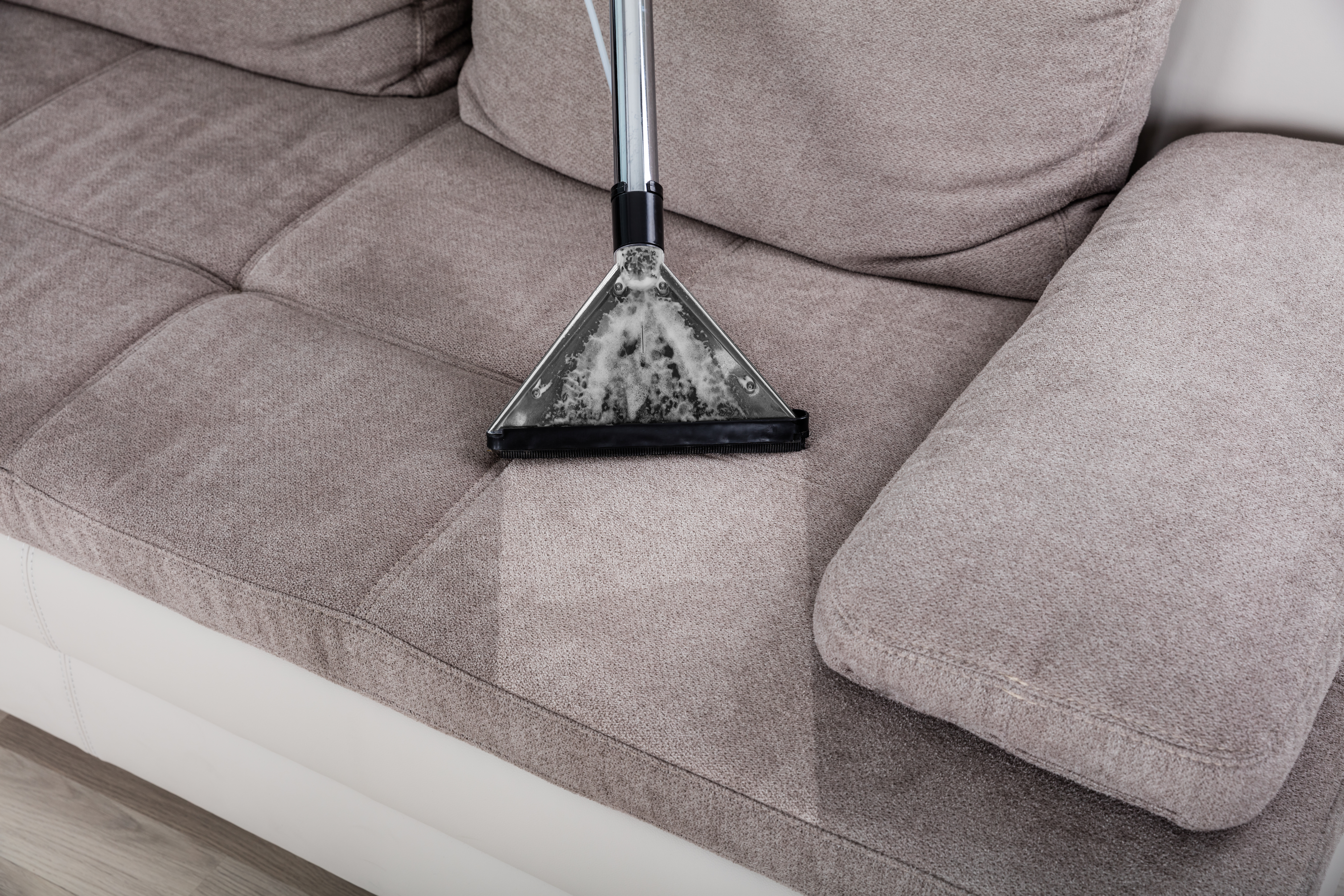
Couch Cleaning Services questions, answered by experts
While caulking is handy for quite a bit of jobs, it’s still limited. Any crack or gap larger than 1/4 inch is best left for a more intensive repair job. When you hire house painters, they should run a thorough check to see what they need to repair before they start the job.
Large repairs that caulking typically won’t do well with include cracks or holes larger than a 1/4 inch, rotted wood, or metal surfaces, such as garage doors.
As a general rule, HVAC air filters should be replaced every one to three months (or every 90 days). However, the ideal frequency depends on several factors, including the filter type and your home's environment. For instance, if you use thinner filters (1-2 inches deep), have pets, have household members with allergies, smoke indoors, or frequently keep windows open, you may need to change the filter as often as once a month. It's best to follow the manufacturer's recommendation as a guideline and visually inspect the filter monthly to see if it's dirty. Regular filter changes are crucial for maintaining proper airflow, good indoor air quality, and efficient HVAC system operation.
Always turn off the power to your HVAC system before you remove the front cover to replace the air filter. If there isn’t an off switch, turn it off at the circuit breaker box. This prevents the risk of electric shock and stops unfiltered air from passing through the ductwork while the thermostat is running.
Dry mode positively impacts indoor air quality by reducing excess moisture, which stops the growth of mold and mildew. By maintaining optimal humidity levels, dry mode creates a less hospitable environment for allergens and airborne pathogens, improving overall air quality. However, it's essential to ensure proper ventilation to prevent stale air accumulation.
NATE (North American Technician Excellence) certification is not legally required for HVAC technicians in most areas, but hiring a professional with this certification is highly recommended. NATE-certified technicians demonstrated their expertise and proficiency in different types of HVAC systems, offering assurance of quality service. It's a voluntary certification, yet it indicates a commitment to professionalism and ongoing training. Choosing a NATE-certified technician often means you're working with someone who is up-to-date on industry standards and best practices, which can lead to better service, energy efficiency, and long-term cost savings.
The Miller, SD homeowners’ guide to couch cleaning services
From average costs to expert advice, get all the answers you need to get your job done.