"Colton did a great job with welding up my dump trailer. Overtime it developed some issues and without hesitation, he came and picked up my dump trailer for me and immediately got to work and got it back to need fixed as I requested within about a day and a half."
"Not only great prices, but the service was great, fast, and extremely professional. No pun intended. Kevin, my installer, was super nice and he had to come back because I setup the fence over my property line, and he did a wonderful, fast job then, too. I have already recommended Xtreme Fence to everyone who asks about mine. Thank you."
There are many types of fences available to homeowners, including wood, chain link, wire, concrete, brick, corrugated metal, and more. Some fences offer practical solutions for pets and wild animal deterrents, while others offer aesthetics that boost curb appeal. Consider what you’re looking for in a fence to help you decide which is best for your home.
Deer can crawl under a fence if it has a gap of around 6 inches or more. Make sure to close all gaps at the bottom of your fence to keep deer out, and the bottom of the material should be tightly secured, or the deer will push right through it. As an added benefit, closing shorter gaps at the bottom of a fence can also keep rabbits out of your yard.
The cost to build a fence is about $3,100 on average, but you could pay anywhere from $400 to $13,700 or more. Your cost will depend on the length, height, and materials for the fence. If you hire a professional installer, labor costs typically represent about half of the total cost of the project. This means you potentially can save quite a bit of money doing the work yourself.
Yes, fence posts need to be installed below the frost line to ensure stability and prevent heaving caused by freezing and thawing cycles. The frost line is the depth at which soil freezes during winter. By placing posts below this line, often around 3 to 4 feet deep or as recommended for your specific region, you reduce the risk of the ground shifting, which can lead to leaning or unstable fences. Adequate depth provides better anchoring and helps maintain the fence's integrity, ensuring it remains secure and upright throughout changing seasons.
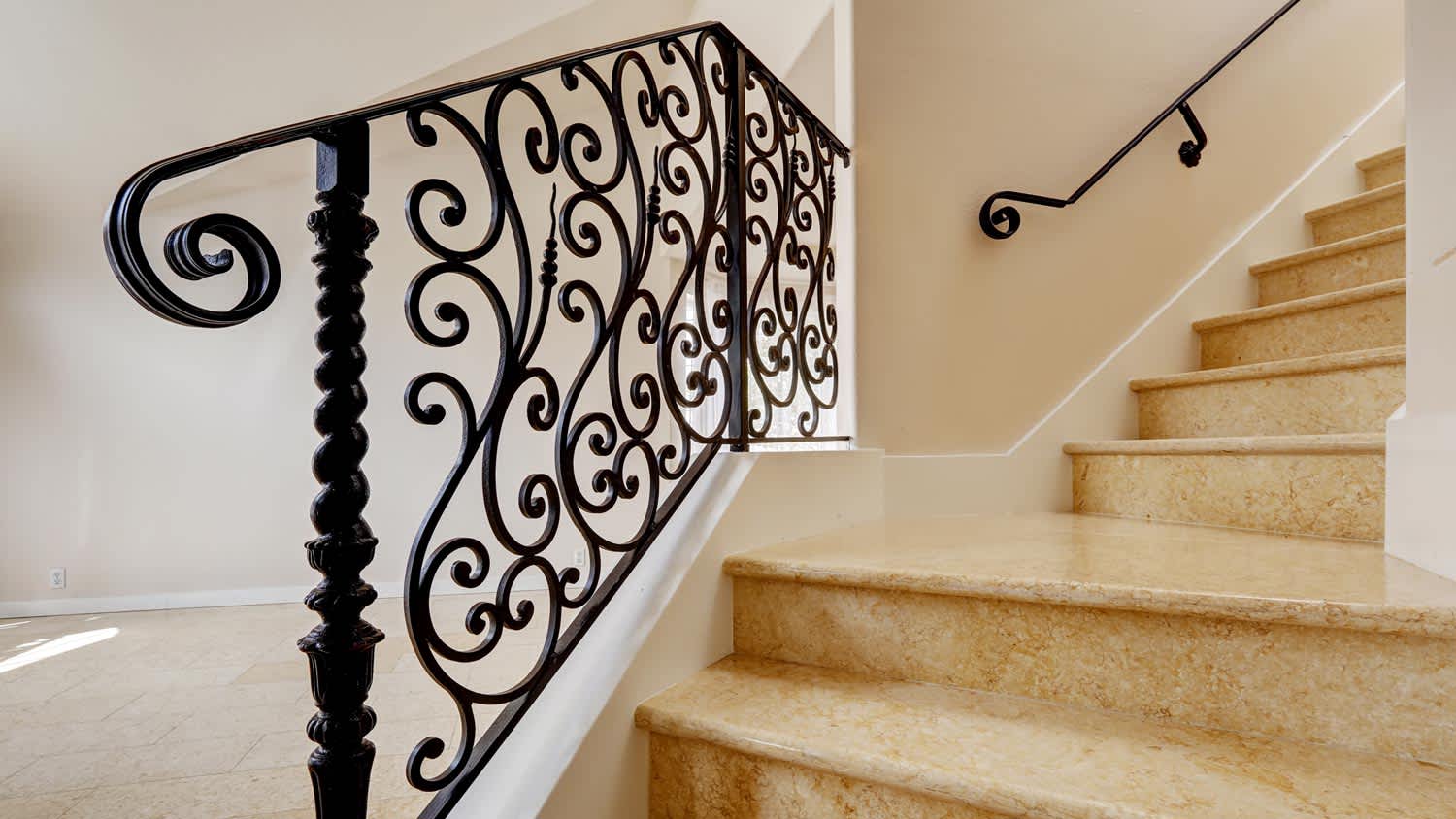
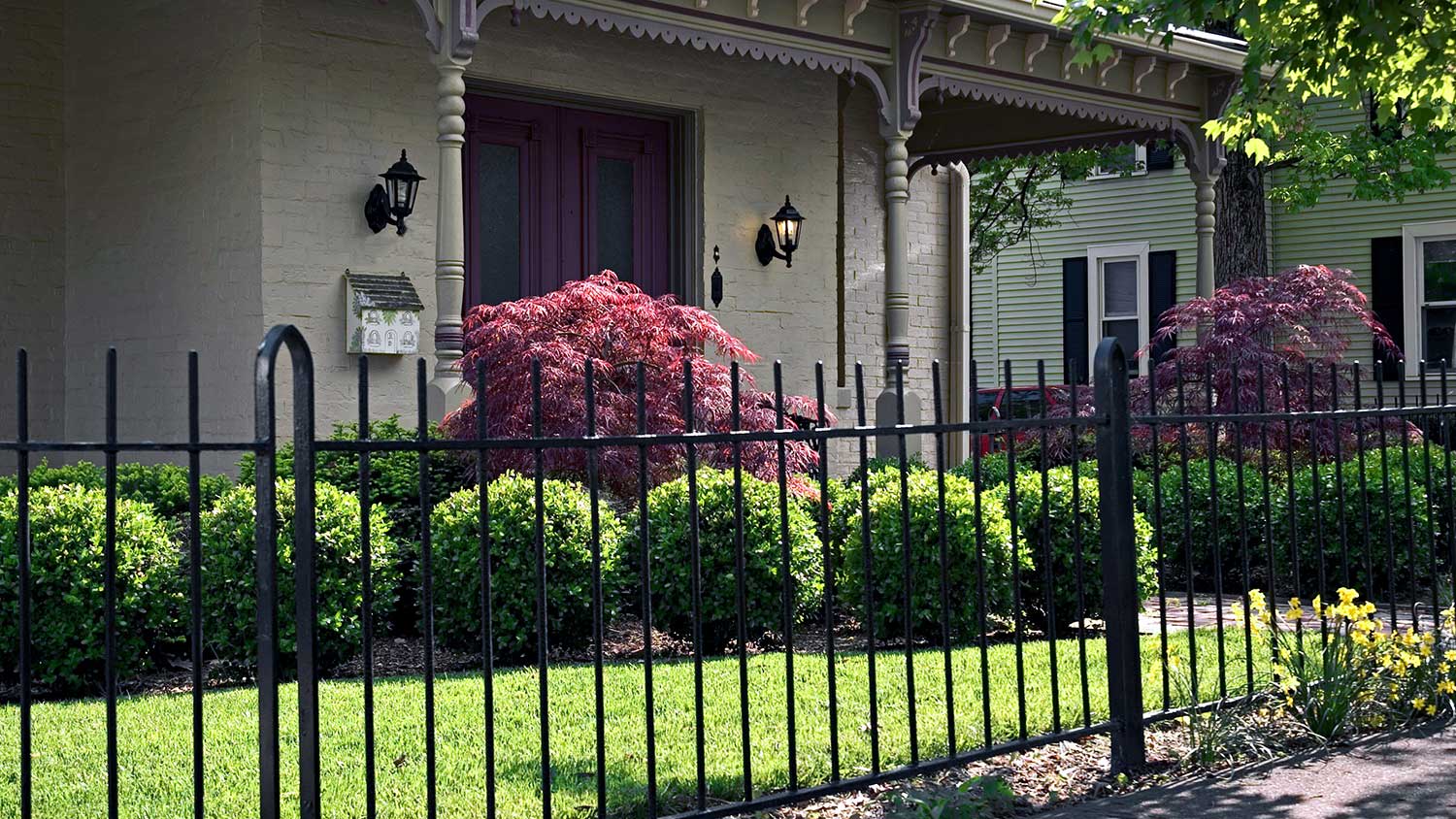
The most common type of metal fence today is one made of either steel or aluminum. These materials are relatively easy to fabricate, making them much more cost-effective than traditional metal fencing handmade from wrought iron. They’re also much lighter and easier to install, contributing to their affordability and making them more DIY-friendly.
The Onida, SD homeowners’ guide to wrought iron services
From average costs to expert advice, get all the answers you need to get your job done.
Unsure who to hire to install a wrought iron fence? Compare fence contractors and ornamental iron pros, see how installation works, and choose confidently.