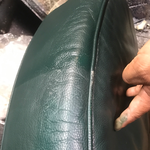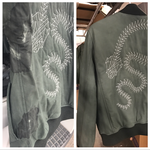
"When no one locally even responded to my inquiries for a quote, Michelle got back to me the same day with a quote and description of how the repair would be done. It's a slight downside to have to ship one glove coast to coast for a minor repair on one finger. But the cost of shipping and the repair is much less than purchasing another $100 pair of gloves! The repair took a little longer than anticipated, but shipping time had to be factored in as well. Michelle was very prompt with communications during the process. Cost of service below did not include shipping which was about $16 round trip. The glove returned good as new...well as good as it's pair. The glove is two years old. But the seam was totally resewn and reinforced. Michelle stated she did not want to the issue to happen again. I hope it won't. The problem started with my fingers rubbing. Very happy with the service from Premier. I wish they had a shop in Maryland!"
I pride myself on my professionalism, as well as my ability to complete every job to the homeowner's total satisfaction. I never leave a job unfinished, or a homeowner not 100% satisfied with my level of service - Call today!
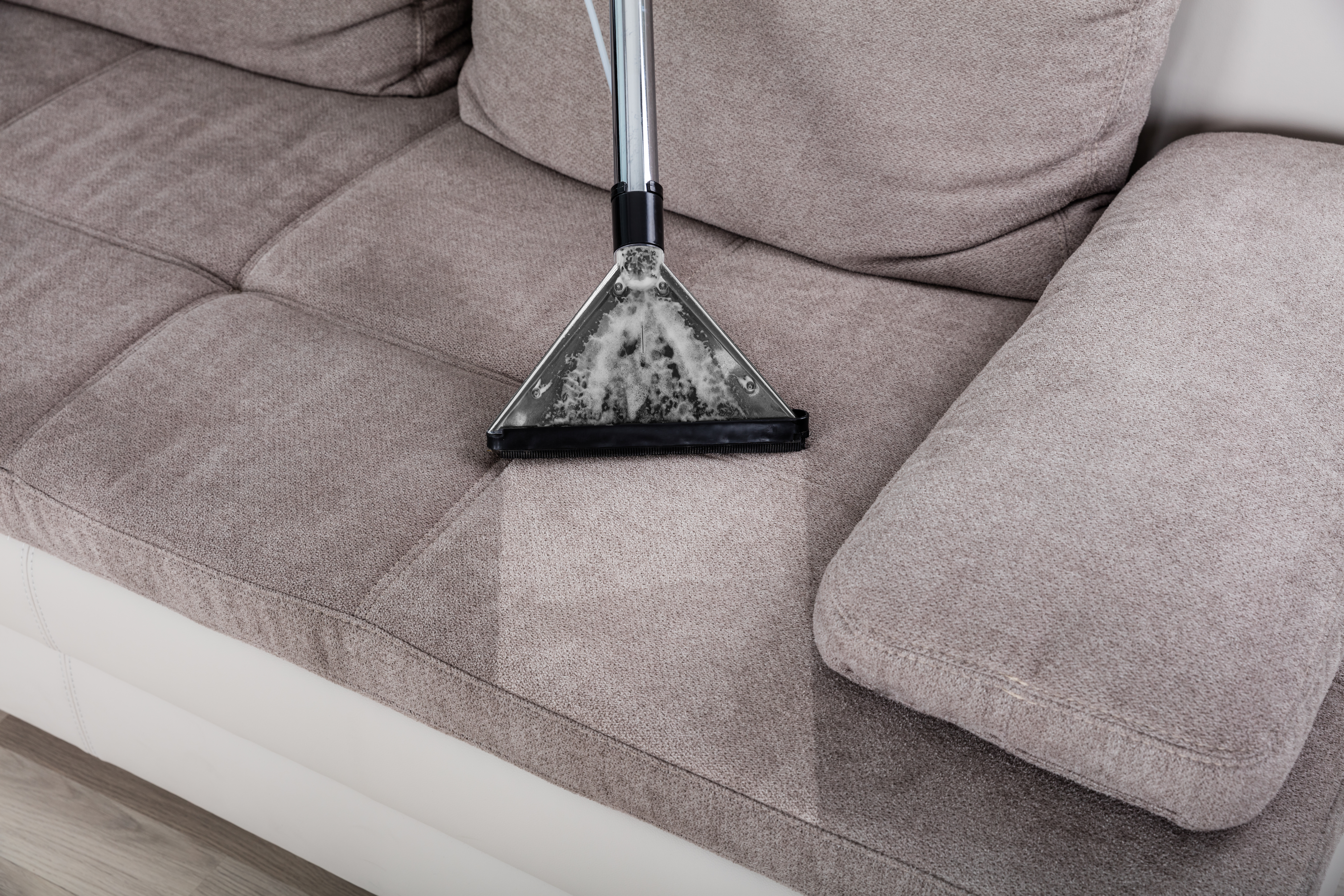
Upholstery Cleaning questions, answered by experts
To remove mold from fabric that’s part of your wood furniture, the best option is to take the fabric off and place it in the washing machine. If you cannot take the fabric off, it helps to move the furniture out into the sun. Use a high-quality vacuum to remove any mold spores that are present. You can try spraying the mold with a 50/50 vinegar-water mixture. Hydrogen peroxide is also a possibility for removing mold from fabric, but it could damage certain types of fabric.
Vinegar is acidic and makes a great cleaning agent for many items throughout the house, including some upholstery. It should not be used for any upholstery with the code S or X. It can be used for W labels. To use a vinegar solution, mix equal parts water and vinegar and blot the stain using a gentle circular motion with a clean microfibre cloth and then allow to dry completely. As with any DIY solution, test a small and inconspicuous section first.
Use similar methods to get old stains out of couches as you would new ones. Determine the appropriate cleaning solution based on the tag. However, you may need to let the cleaner sit longer than you would with a new stain or make several passes at the stain. Contact a professional upholstery cleaner for guidance if the stain does not budge.
To prevent water spots from appearing on your upholstered chairs after cleaning, avoid saturating the furniture or applying water directly on it, and don’t use direct heat to dry it. Instead, use damp (not wet) cloths and suds from water-based solutions and let your chairs air dry inside.
You can use saddle soap to clean a leather sofa, but use it sparingly. Saddle soap cleans and conditions leather but can be too harsh for some types of furniture. Test it first on a small, unnoticeable part of the sofa to avoid accidentally damaging it. Apply a small amount with a damp cloth, gently work it into the leather, and wipe off the excess with a clean, dry cloth. Afterward, use a leather conditioner to keep the leather supple and prevent drying.
The Wall, SD homeowners’ guide to upholstery cleaning services
From average costs to expert advice, get all the answers you need to get your job done.
Wondering how much it costs to rent an upholstery cleaner? Get prices, cost factors, and money-saving tips for your next DIY upholstery cleaning project.
Mattress cleaning cost depends on the number of mattresses being cleaned and the size of each. Use this guide to better understand mattress cleaning prices.