

Top-rated roofers.

Get matched with top roofers in Keystone, SD

Enter your zip and get matched with up to 5 pros

Need a pro for your roofing project in Keystone, SD?

Select your specific project to find the pro for you.

TRUSTED BY KEYSTONE, SD HOMEOWNERS

  • Average homeowner rating star icon4.3
    Average homeowner rating
  • Verified reviews icon187
    Verified roofing services reviews

Find Roofers in Keystone

Avatar for RainTite Roofing & Construction
RainTite Roofing & Construction
5.0(
4
)
Flat, Foam or Single Ply Roofing - RepairFlat, Foam, or Single Ply Roofing - Install or ReplaceMetal Roofing - Install or Replace+1 more

Serving Keystone, SD and surrounding areas

Approved

In business since 2012

Free estimates

Credit card accepted

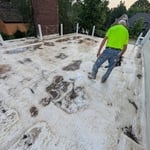
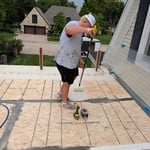
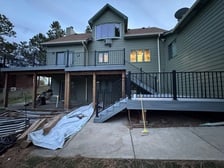
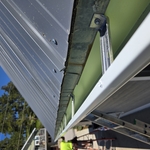
RainTite Roofing & Construction is a locally owned and operated company serving the Rapid City, SD & Black Hills surrounding community. We are a full-service roofing company for asphalt shingles, metal panels, cement tiles, membrane & coatings. We help you protect your significant investments in your home and commercial properties.\nI pride myself on excellent customer service and communication, quality workmanship and fair market rates. Call us now for a FREE estimate!\n

Additional Photos
Additional Photos
Additional Photos
Additional Photos
Additional Photos

+5

Recommended by100%of homeowners
JOAT Services LLC
5.0(
4
)
Asphalt Shingle Roofing - Install or ReplaceAsphalt Shingle Roofing - Install or Replace - For BusinessAsphalt Shingle Roofing - Repair+1 more

Serving Keystone, SD and surrounding areas

Approved

In business since 2015

Free estimates

Offers commercial services

"Our parking pad was installed in a timely manner. The work completed was done efficiently and completed on schedule. I would recommend for whatever work on your home you need completed."
3 neighbors recently requested a quote
...
Showing 1-10 of 93
Roofing questions, answered by experts

Underlayment exists under your tile roof. It helps protect your home by acting as a secondary water barrier. Often, when roof tiles fall off, underlayment that's in good condition can temporarily keep water from getting into the home. However, immediate replacement of missing tiles is crucial to avoid additional roof damage. 
During the framing process, builders connect the roof to the walls with materials, including metal connectors, plywood panels, and wood blocks. These roof-to-wall connections are important and provide weatherproofing, noise and temperature insulation, protection against pests, and home integrity. The type of connector and method used will vary, depending on your home’s construction and needs, and each has pros and cons in terms of cost, noise insulation, longevity, and reliability. Talk with your home or roofing contractor about the best connectors for your roof and walls, and what they recommend for your home.
While the terms are often used interchangeably, wood shakes and wood shingles have notable differences, primarily in their manufacturing and appearance. Wood shingles are machine-cut on both sides, resulting in a smooth, thin, and uniform product. In contrast, wood shakes are typically hand-split or sawed on only one side, giving them a more textured, natural, and rustic appearance. Due to these manufacturing differences, shakes are generally thicker, heavier, and less uniform than shingles. They are also more expensive. Homeowners seeking a more rustic aesthetic often choose shakes, while those preferring a more uniform look may opt for shingles. Both are installed in an overlapping pattern to create a durable, weather-resistant roof.

Yes, it’s possible to replace drip edge flashing without removing shingles, but it’s not a good idea. You’ll have to lift the bottom shingles up to remove the old drip edge, install the new material, and then lay the lifted roofing material over the new drip edge. Bending roof shingles can cause damage, and if you have ongoing issues with roof leaks that prompt drip edge replacement, it’s a good idea to consider a roof and drip edge replacement to avoid ongoing issues.

Yes, capped chimneys should still be vented. Failing to vent a chimney will result in condensation buildup inside the chimney, which commonly results in mold growth. If mold begins to grow in a chimney, it frequently goes undetected and spreads quickly through the home. Mold and moisture can damage the structural integrity of your home, and exposure to mold can cause discomfort and illness in residents.

The Keystone, SD homeowners’ guide to roofing services

From average costs to expert advice, get all the answers you need to get your job done.