




"The technician emptied the freezer, which was in the basement, to work on the part that needed repair. Then he neglected to put anything back into the freezer, including a turkey I had bought for Christmas and a rack of ribs. Two days after he left, I went out of town for two weeks. The turkey actually exploded and spewed its liquid all over everything, which had to be discarded. I let AHS know and they couldn't even bother to call me or follow up on this. I'm considering not renewing my contract with them because of the quality (or lack thereof) of many of the providers they send."

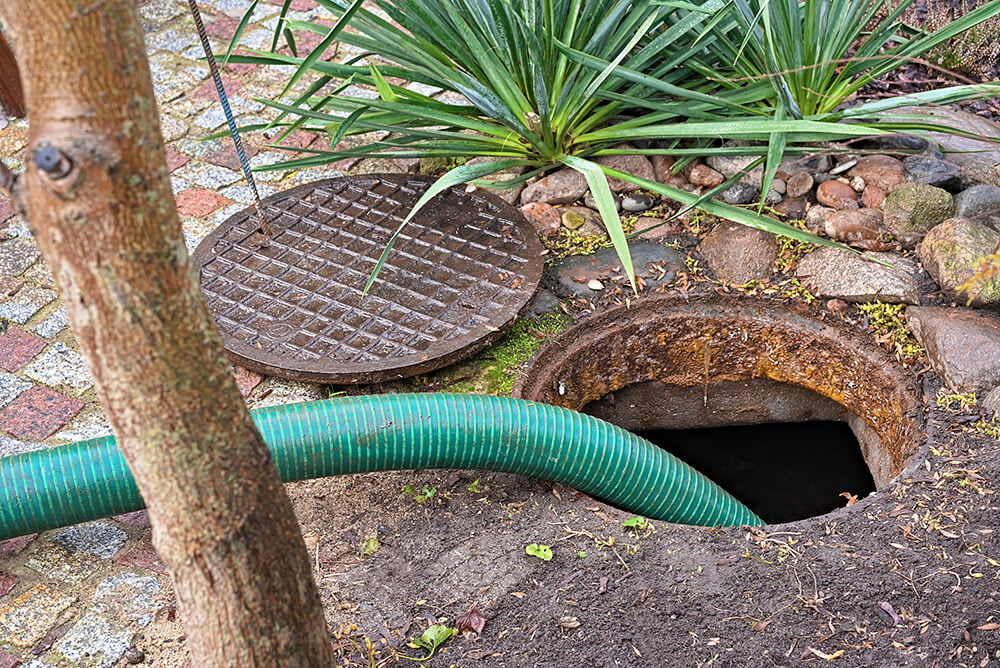
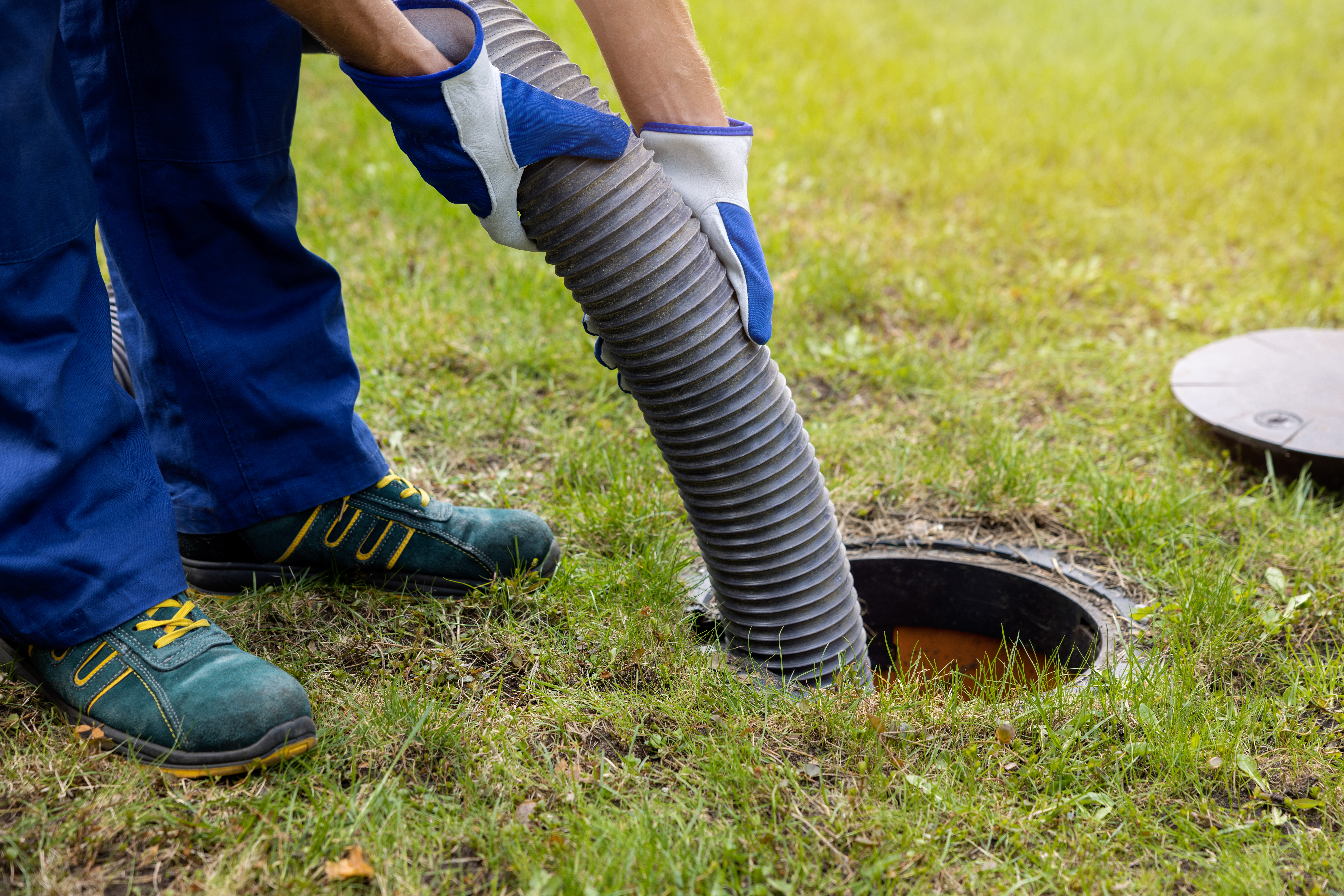
Over time, your septic tank can accumulate a buildup of sludge at the bottom of the tank. If left unpumped and uncleaned, the sludge will back up into your pipes and home, causing failure and extensive (and smelly) damage. Repairs to your septic system can be costly, which is why regular maintenance is required. It takes about 30 minutes to pump a septic tank that’s 1,250 gallons or less or 1 hour for larger varieties.
It is not normal to smell your septic outside and indicates a problem such as an unsealed manhole or access lid, a clogged septic line, a faulty vent stack, or the need for a septic tank pumping. If sewage is leaking from your septic system, it can be hazardous to you, your family, pets, and the surrounding environment. You can troubleshoot the issue yourself, or contact a septic tank pro who can resolve the issue quickly.
An outdoor water valve typically has a round or oval handle that you can turn to control the water flow. It may be located in a protective box or pit near the property line, where the main water line connects to your house.
The ideal depth of a septic drain field is 18 to 36 inches below the surface. The trenches must be deep enough to allow proper wastewater distribution and filtration while remaining shallow enough for oxygen to reach the soil, promoting bacterial activity that helps break down contaminants. In areas with high groundwater or poor drainage, shallower systems like mound drain fields may be required.
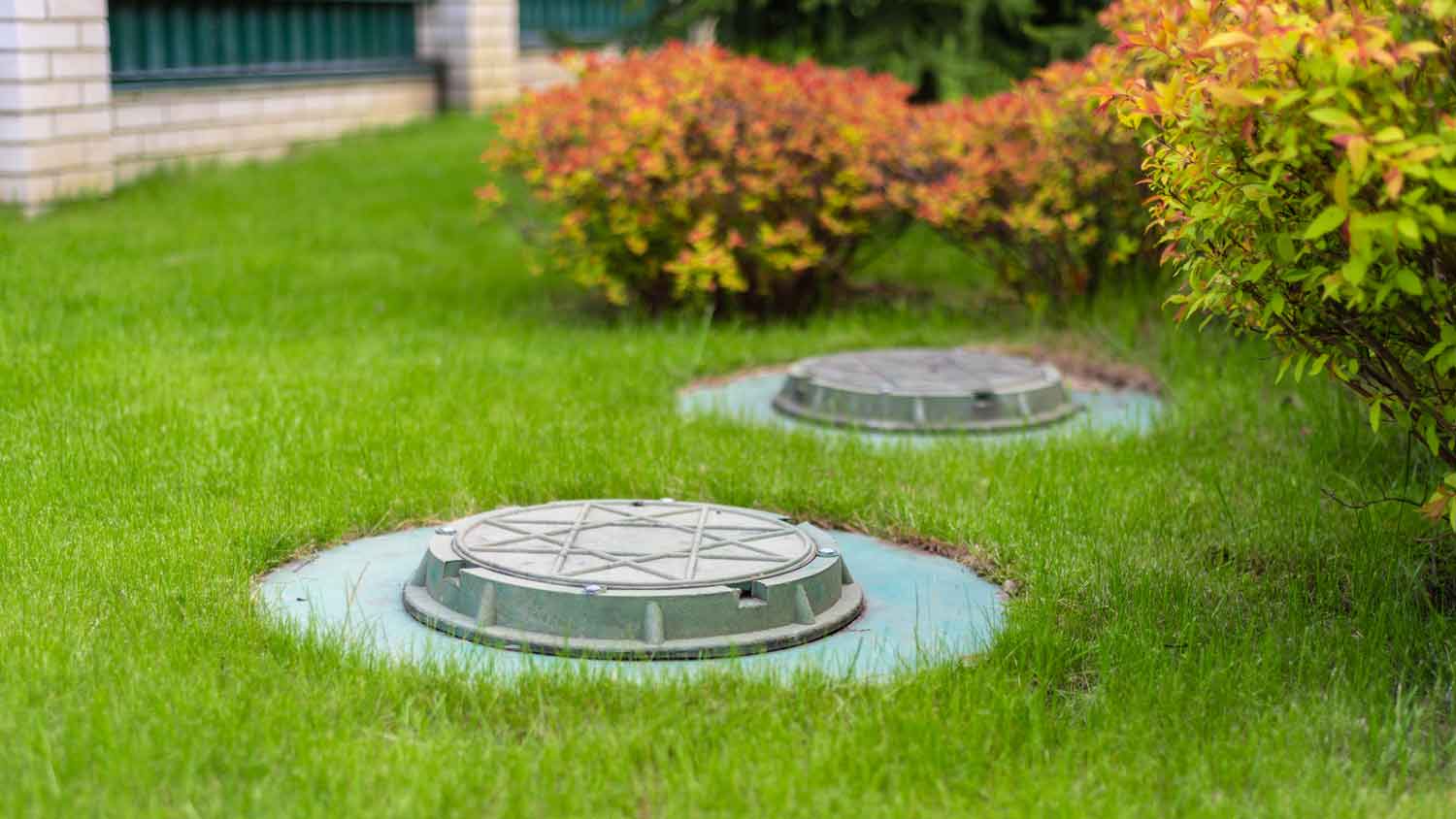
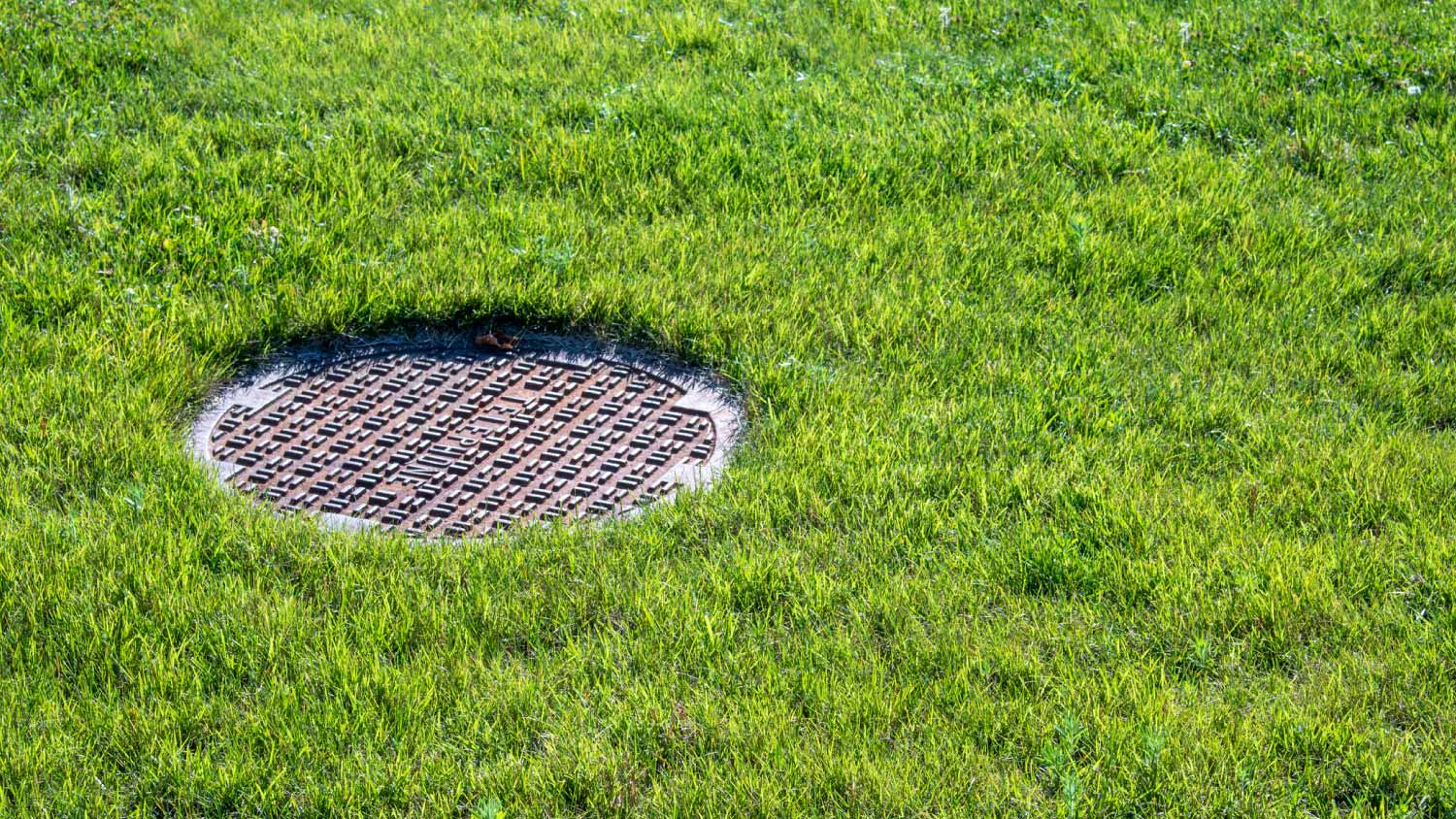
Septic tank lids may or may not be buried in a yard. Most lids are buried at least 4 inches deep unless you have an aerobic septic system. Aerobic septic systems need frequent cleanings, about every four months, so it’s best to leave these lids aboveground for easier access. For buried lids, homeowners can use risers that make it easier to locate and access a buried septic tank lid.
The Ipswich, SD homeowners’ guide to septic tank services
From average costs to expert advice, get all the answers you need to get your job done.
Caring for your septic system is crucial to ensuring its long life. But how much does it cost to pump a septic tank? We explore the different cost factors.
It’s crucial to install a septic tank with the right volume to avoid wastewater backups. This guide will help you calculate the right septic tank volume.
Septic tank sizes vary depending on the size of your home, how many people live there, how much water you use, and more. Read on to learn how to determine the right size for you.