We are dedicated to providing our clients with the very best in excavation and building site services. We specialize in residential and commercial services and take pride in the attention to detail put into each of the projects we're involved with. We're known for our quality work and the integrity of our business. We look forward to building long-term relationships with our clients, and guarantee your satisfaction.
\n
"The technician emptied the freezer, which was in the basement, to work on the part that needed repair. Then he neglected to put anything back into the freezer, including a turkey I had bought for Christmas and a rack of ribs. Two days after he left, I went out of town for two weeks. The turkey actually exploded and spewed its liquid all over everything, which had to be discarded. I let AHS know and they couldn't even bother to call me or follow up on this. I'm considering not renewing my contract with them because of the quality (or lack thereof) of many of the providers they send."
We are a locally owned and operated company that values honesty and integrity in all aspects of our business. Our major focus is on the quality our work and producing outstanding results. We are committed to creating a level of value unmatched by any of our competitors. We look forward to building lasting relationships with our clients and guarantee your satisfaction!
At JMD Excavating, our company is based on the belief that our customers needs are of the utmost importance. Our team is committed to meeting those needs. We welcome the opportunity to earn your trust and deliver you the best service. No job is too big or too small for our experienced team. Call today for a quote.
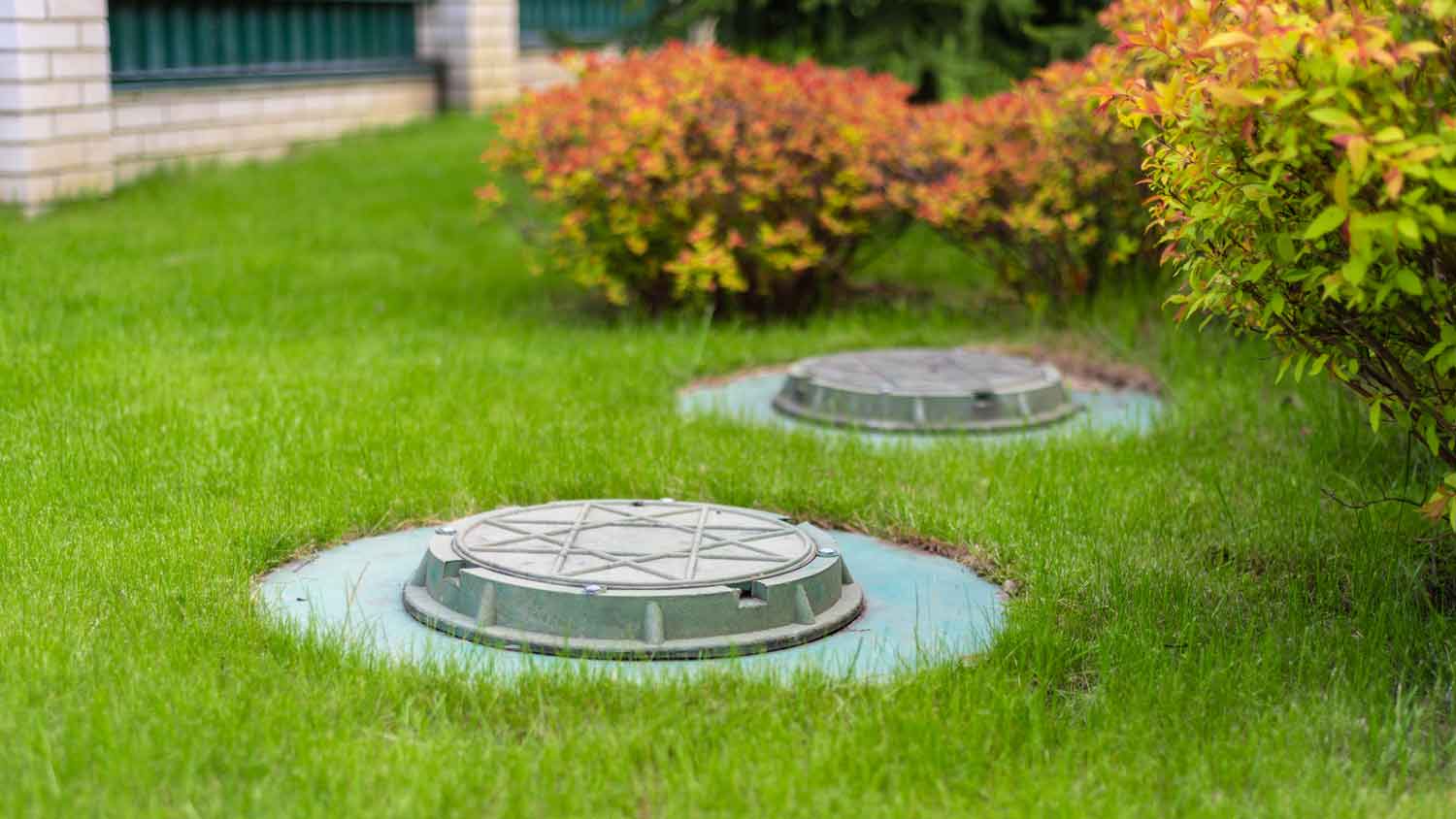
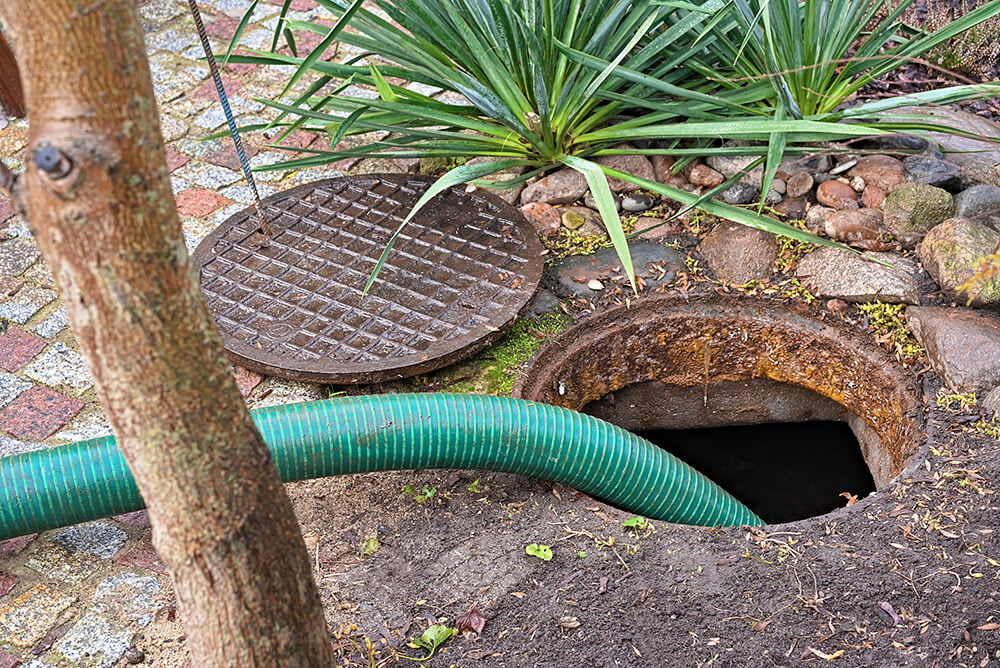
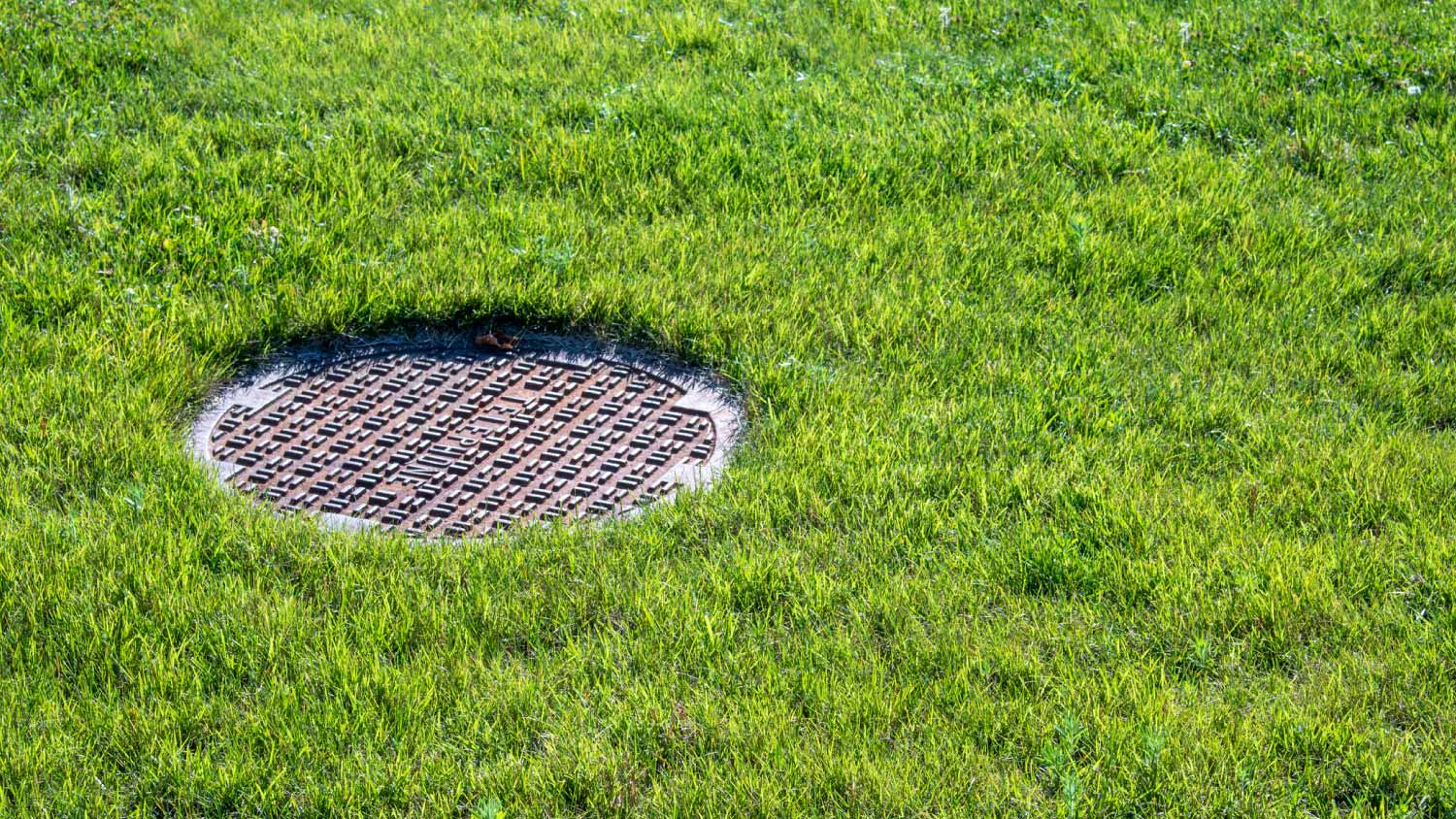
There is no standard depth for burying a septic tank; they are typically buried anywhere from 4 inches to 4 feet underground. The final depth depends on several factors, including the depth of your main sewer line, the height of the bedrock, soil type, local regulations, and the property's landscape. If you plan to grow grass or plants over the tank, a depth of at least 4 to 6 inches is recommended. Deeper tanks can be more difficult to locate, but a septic professional can help find it for you.
A septic tank is an underground container that collects and holds wastewater until it’s sufficiently filtered and broken down. It treats wastewater by separating waste so the leftover liquid can travel into the drainfield where the soil and gravel eventually filter and purify it. This process naturally eliminates bacteria, viruses, and other contaminants.
It is not normal to smell your septic outside and indicates a problem such as an unsealed manhole or access lid, a clogged septic line, a faulty vent stack, or the need for a septic tank pumping. If sewage is leaking from your septic system, it can be hazardous to you, your family, pets, and the surrounding environment. You can troubleshoot the issue yourself, or contact a septic tank pro who can resolve the issue quickly.
Drilled wells have a pipe sticking up that’s covered in a plastic or metal casing. On the other hand, a dug well will look like a big hole in the ground and is more similar to what you’d see in a fantasy or Western movie. If you want to be sure, contact the city for documentation on your property’s construction and excavation history.
A shallow-well pump can pull water up to 25 feet deep. A deep-well pump can pull water up to 90 feet deep. A deep-well submersible pump can pull water up to 300 feet deep. Make sure to consult a pro to find out how deep your well is and get the right pump for your needs.
The Howes, SD homeowners’ guide to septic tank services
From average costs to expert advice, get all the answers you need to get your job done.
Caring for your septic system is crucial to ensuring its long life. But how much does it cost to pump a septic tank? We explore the different cost factors.
It’s crucial to install a septic tank with the right volume to avoid wastewater backups. This guide will help you calculate the right septic tank volume.
Septic tank sizes vary depending on the size of your home, how many people live there, how much water you use, and more. Read on to learn how to determine the right size for you.