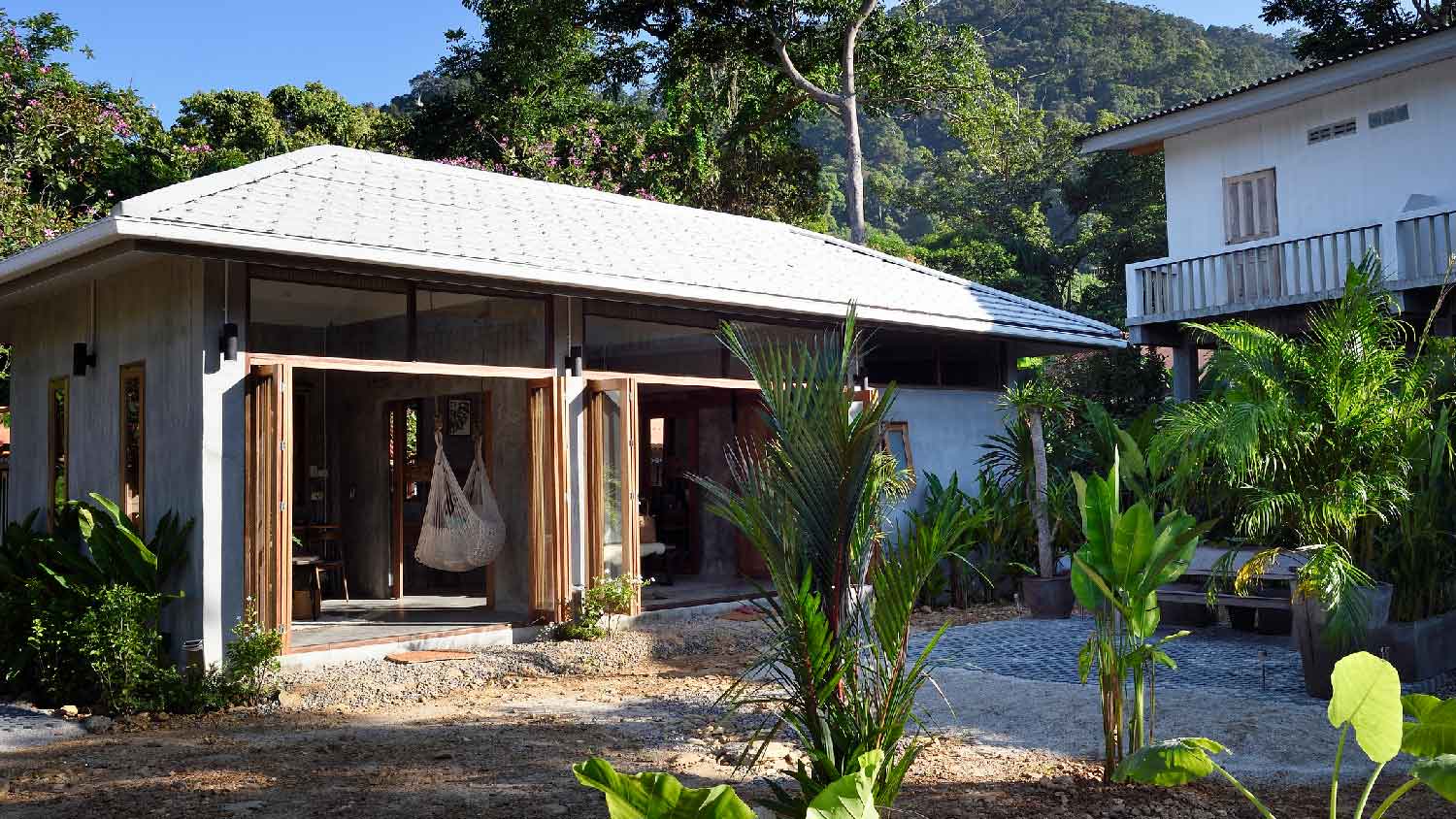
There are products that still contain asbestos, but they were typically installed decades ago. Common places where you may still find asbestos-containing materials are in siding, wrapped around ductwork, in older appliances (i.e., stove and gravity furnaces), and in floors. Asbestos was primarily used as an insulator, so anywhere in an older home where you lose heat is where you will most likely find asbestos.
Since DIY asbestos removal isn’t the best option to save money, there are other steps that you can take to help cut costs when dealing with this project. After speaking with your asbestos removal expert, discuss if encapsulation is an option. If it is, you can save between 15% to 25% on overall project costs over demolition and disposal. In addition, when speaking with your professional, discuss if there are any tax credits available for your removal project. Finally, check with your homeowner’s insurance to see if any removal costs might be covered. However, be aware that this is usually only applicable if the asbestos is due to a covered incident, like a tree falling into your roof.
Do not panic if you are exposed to asbestos. The illnesses associated with asbestos exposure are rare. If you are concerned about exposure, talk to your doctor, especially if you are having any respiratory symptoms, such as coughing or difficulty breathing. They may recommend imaging to get a view of the insides of your organs and determine if scarring or growths are present.
The Environmental Protection Agency (EPA) banned the use of asbestos pipe insulation in certain applications in 1975. It released further bans in 1989 and 2019. While asbestos pipe insulation was common from the 1930s to 1970s, its use fell off after the 1970s due to public concern and the EPA's actions.
It is not recommended to drill into asbestos siding because doing so can release hazardous asbestos fibers into the air. The safest way to handle asbestos-containing materials is to have a professional remove or encapsulate them.
The Howes, SD homeowners’ guide to percolation testing services
From average costs to expert advice, get all the answers you need to get your job done.
Most building projects and septic installations require soil testing to ensure proper drainage. Learn how much a perc test costs and what affects costs.

A perc test for septic analyzes the absorption rate of the soil where a tank is going to be installed. Learn more about the test, cost, and passing grades.