

Junk removal costs depend on the volume and type of waste you need removed, but paying a professional saves you time and energy over hauling it yourself.
Protect the environment—and your wallet—with a few simple habit changes
 - Derek Rose.png?impolicy=thumbnail)
Reducing trash at home starts with investing in reusable supplies like metal water bottles and straws, which cut down on single-use plastics filling your recycling bin.
Junk removal services cost about $240 on average but range from $60 to $600, depending on how much waste you need hauled away from your home.
Meal planning helps you avoid food waste by creating a weekly outline of meals, so you buy only what your household needs and use everything before it expires.
Hiring a local junk removal professional takes the heavy lifting off your hands, handling everything from packing to hauling so you can start fresh without the clutter.
Are you overfilling your trash bin every collection day? Household waste can take up a lot of space, not just in the landfill but in your home and mind, too. Cutting back on what your household consumes and making thoughtful choices about what you bring into your home can reduce household waste and help make your home a cleaner, more peaceful place to live.
Our top tips for reducing household waste will help you take charge of what comes into and goes out of your home. These 12 easy habits will make you feel good about protecting the environment and improving your own well-being.
Empty plastic water bottles and the like take up a lot of space in your recycling bin. And while they can be sent to a recycling facility, there’s no guarantee that they’ll actually be processed and reused. If issues like this are top of mind for you, switching to reusable tools can take a load off—literally and figuratively. Start by investing in a metal, temperature-controlled water bottle for your daily needs. Bonus: It’ll also keep your drinks fresh or hot for much longer than plastic.
Once you’ve gotten comfortable with a change like that, look for other items around the house that can be swapped for a sustainable counterpart. Metal straws, for example, are easy to clean and will reduce your use of single-use plastics, and switching to an old-fashioned mop will eliminate the need for buying individual floor cleaning pads.


If your supply of plastic grocery bags is overflowing, stop getting new ones every time you go shopping and reuse what you have. It’s likely you have at least one (or several) promotional tote bags lying around. These are great for carrying food products because they’re sturdy and won’t break easily—no need to worry about a jar of tomato sauce falling through and smashing on the floor.
Alternatively, you can simply reuse the plastic bags you already have stocked up. Store them in your car’s glove compartment or trunk so you don’t have to remember to bring them to the supermarket with you.
If you grocery shop with the best of intentions but find yourself regularly throwing out sad-looking wilted veggies or expired dairy products before your next trip to the store, try meal planning. Coming up in advance with an outline of what you’re going to cook can help reduce food waste from impulsive grocery shopping.
You don’t necessarily need to meal plan down to the last detail if it seems a little overwhelming. Even listing out rough ideas for the week’s major meals, plus the staples you always need on hand, can help you fine-tune your shopping list and prevent the demise of yet another neglected bagged salad in the back of your fridge.
While you might think most packaging can be recycled, that’s not always the case. Glass, metal, and paper can usually be recycled, but there are often exceptions or special preparation steps to take. When it comes to plastic, recycling depends on the kind of plastic and what the recycling program accepts. Always consult the program or facility’s guidelines to see what can and can’t be recycled so you can avoid buying products in non-recyclable packaging.
Knowing what can be recycled will also help you avoid buying things that can’t be reused. You can find out what you’re dealing with by checking the bottom of a package or bottle for the triangular recycling symbol. The number at the center of the symbol will tell you what you have on your hands.

Composting is a great way to divert your food scraps from a landfill and build up a supply of highly nutritious fertilizer for your plants. If you have the outdoor space to build your own compost pile, doing so is a relatively easy DIY project—but you can also find ready-made compost bins at the hardware store that can be set up in just minutes. Keep in mind that not everything can be composted. Avoid adding scraps from animal products and pet droppings, as they’re likely to attract pests.
You still have options if you don’t have a backyard, balcony, terrace, or any outdoor square footage. Many cities and states now provide compost pick-up and drop-off services so that you can collect and deposit your waste once a week with your other trash. A number of community gardens also offer compost services where you may be allowed to take compost to go for your indoor plants if you’re regularly contributing.
Reducing carbon emissions is an important issue for many, and many brands are responding to the call to action with sustainable alternatives to common household products. Things like compostable plastic wrap and paper towels, bar versions of shampoo and conditioner, and dry toothpaste are all widely available and as good as the originals.

Shopping in the bulk section of your supermarket is a great way to reduce your single-use plastic purchases. Be sure to bring along containers labeled with their tare weight so the cashier can easily subtract it from your final bill. While you’re at it, stock up on a bunch at once so that you have to make fewer trips (and use less gas), too!
As long as they’re in good condition and stored properly, leftovers from building projects like bricks, wood, caulk, and the like can all be used in future projects, too. If you have only a small amount of something like bricks, build up your supply until a larger DIY is possible—like building an outdoor pizza oven from scratch. And don’t feel boxed in by supplies like wood. Maybe you don’t have enough for a large construction, but crafty ideas—like building a birdhouse—may still be possible.
While hazardous products, like oil paint and bleach, are sometimes the only option, swap them for alternatives when possible. For example, acrylic paint doesn’t emit as many harmful fumes and is easier to dispose of. Similarly, baking soda and bleach are said to eliminate stains without the volatile compounds and bad smells.
Paper waste, especially mail, makes up a large portion of household waste. Bills and other mail can contain private information, so it’s not always a good idea to just throw them in with the recycling—and some mail is made of non-recyclable material. Rather than spending hours shredding mail, try to reduce the amount coming to your home in the first place.
Enroll in paperless billing wherever possible for bills. Your bill will come right to your email inbox—saving paper and not creating waste. You can pay most bills online or enroll in autopay, reducing the amount of time you spend dealing with bills to almost zero.
To cut down on junk mail, the FTC offers consumers ways to opt out of marketing mail and credit card and insurance offers. Take a few minutes to opt out and watch the amount of unwanted mail drop, leaving you with a lot less paper waste to deal with.

When you try to sell what seems like junk, you’ll quickly realize that one person’s trash is another person’s treasure. As long as something is in good shape, consider whether it’s possible to donate or sell before resorting to throwing it away.
If you need a quick way to get rid of a lot of trash—maybe because you’re moving or you missed trash day—a local junk hauling service will take care of the job in no time. These pros will do all the work of removing trash, packing it up, and hauling it off. Hiring a junk removal service or garbage removal service is a great way to get a fresh start for your home. Paring down and getting rid of unwanted items will keep you from feeling like you’re drowning in clutter. It can also help you to be more discerning about what you bring into your home in the future.
Junk removal costs are about $240 on average but can range anywhere from $60 to $600, depending on just how much you need to get rid of. If you have a huge pile of construction debris or other trash to get rid of, consider renting a dumpster instead.
The decision between hiring a pro to help with junk removal or doing the job yourself largely comes down to the type of items you’re tossing and how much you need to toss. Getting rid of a few small, lightweight objects is an easy DIY task, but disposing of large, heavy items like furniture and major appliances might be better left to the pros.
In most cases, it’s cheaper to get rid of junk by yourself. Junk removal companies charge between $30 and $80 per hour on average, so you eliminate labor costs by going the DIY route. However, it can actually be cheaper to hire pros for extremely large removals since they get the job done so quickly, saving you the cost of having to rent a dumpster for an extended period of time, which costs an average of $384 for one week.
Raven and crew does absolutely fantastic job. They are very professional if any concerns were to occur with any of her work she always took responsibility and finished out with a great job. I have worked with her business for a year and have always been satisfied. Very trusted business and...
 Creations of Transformation LLC
Amazing job. Efficient and quick without compromising quality. Basement feels brand new. Would use them again in a heartbeat.
 AffordaPro Restoration
Best cleaning I've had at my property
Scam. DO NOT use this company. We had a move where a Black Tie employee left the job site early (unknown to us until after the fact) and stole $40,000 worth of a private collection we had in a box that he watch use box up. On top of this we had several items missing and damaged where we had...
Fantastic group, very communicative, and they really did a great job cleaning my condo. Will be hiring them for recurring cleaning!
 eMaids of Northern Columbus
This company went above and beyond with their work, chimney sweeps are usually pretty messy, but the clean up was spot on.!! Josh explained every thing that he was doing, and the things that he was checking to make sure the chimney was safe for me and my family. He was very professional,...
 Supreme brick & chimney
I definitely recommend Ramonaâ s cleaning service! I have booked services with her many times and she arrives on time, ready to work and provides a great service.
 Your Cleaning Solutions LLC
Amazing! I’ve had plenty of services over the years and Mary Cleaning has gone beyond what I thought was possible. ❤️ them!
They cleaned my very dirty basement. They were prompts, quick, thorough and their price was fair.
 JDE House Cleaning LLC
The company was very easy to work with. My family is now able to enjoy a space that at one point, only collected junk!!!! I feel like i have a whole new addition to the house!!! Wonderful work Blurock on our basement, will recommend!
 BluRock Services, Inc.
From average costs to expert advice, get all the answers you need to get your job done.
Junk removal costs depend on the volume and type of waste you need removed, but paying a professional saves you time and energy over hauling it yourself.
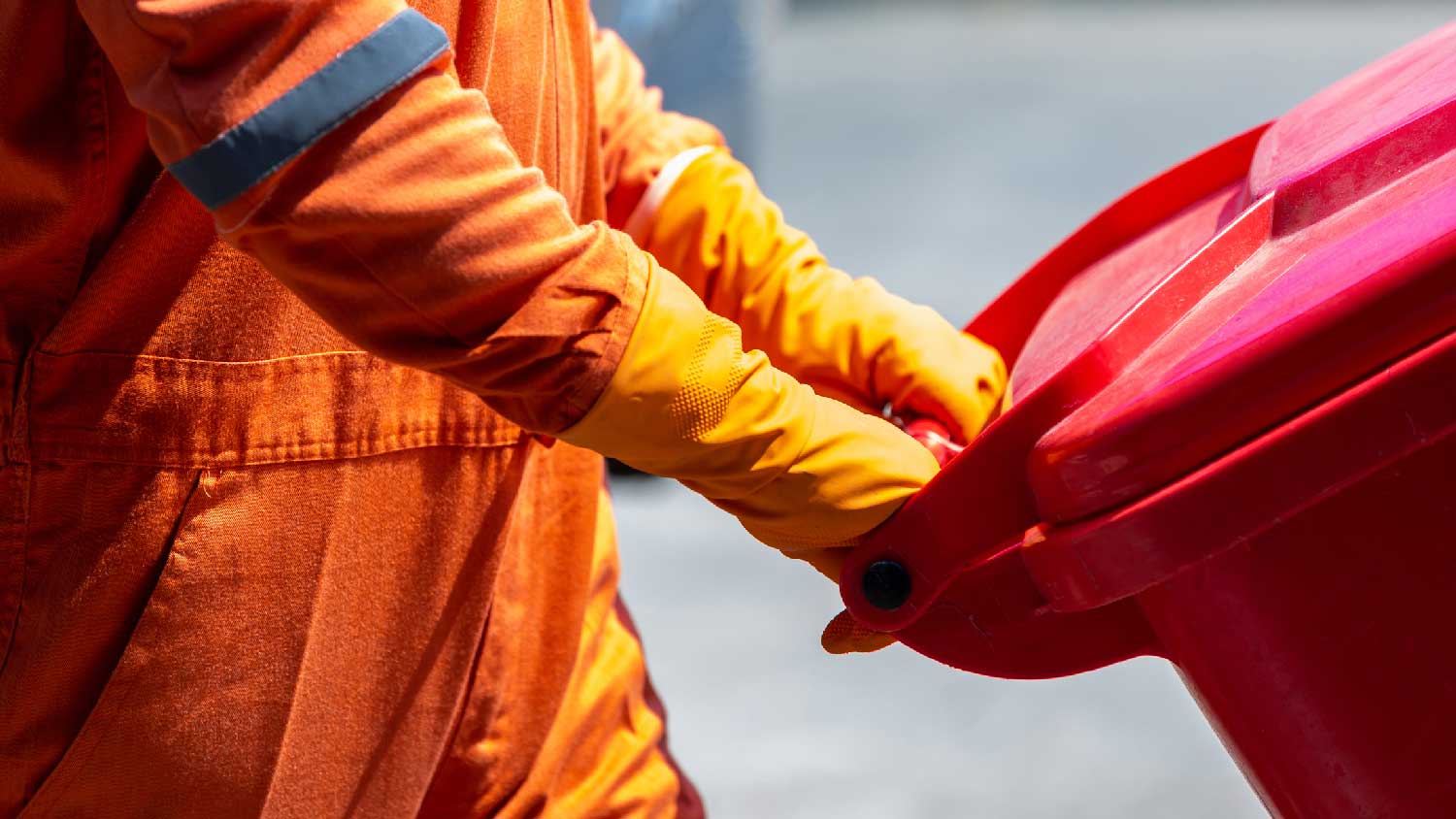
Need to get rid of paint, solvents, or other chemicals? Use this guide on hazardous waste disposal costs to see what professional removal will cost.
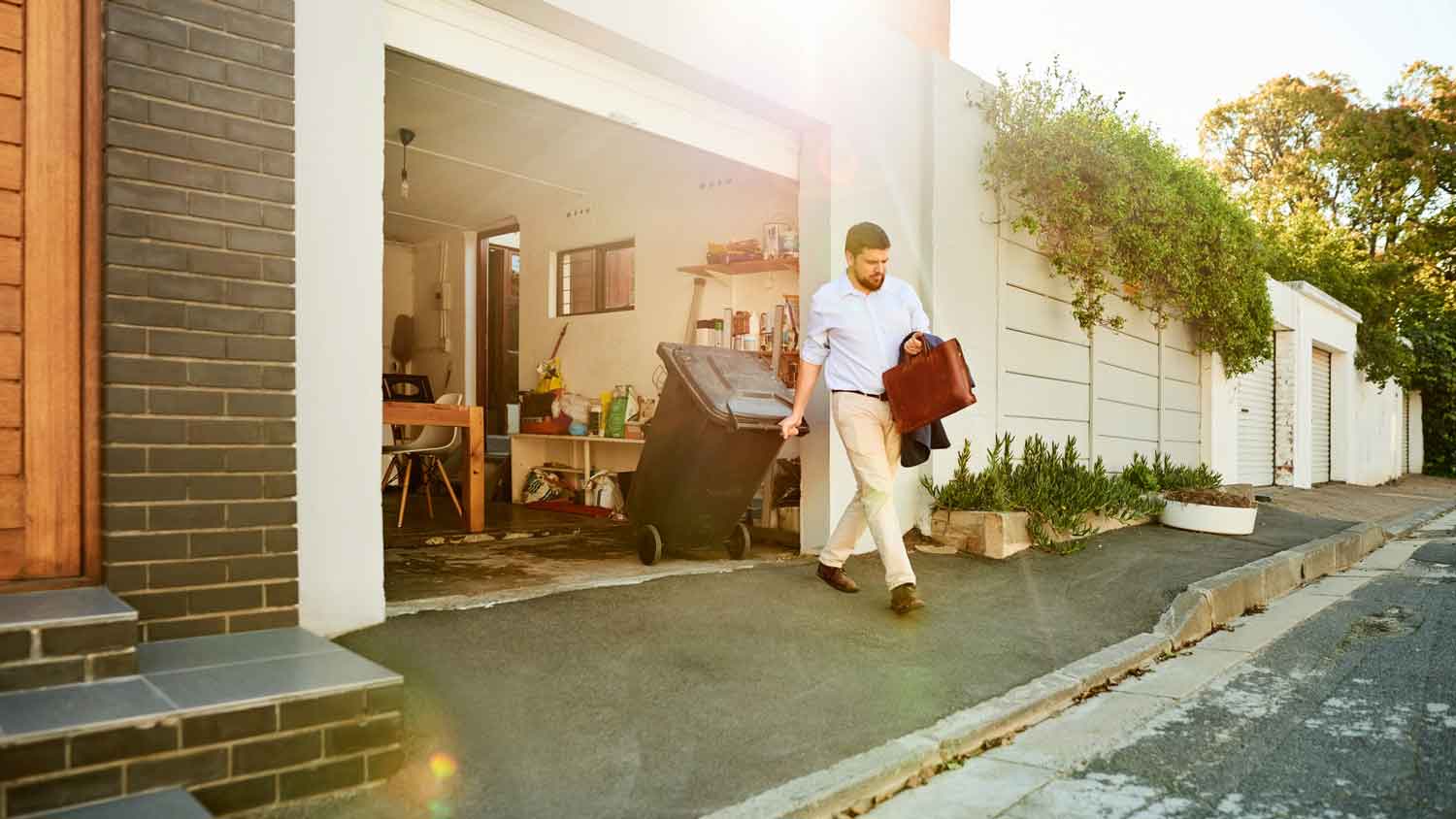
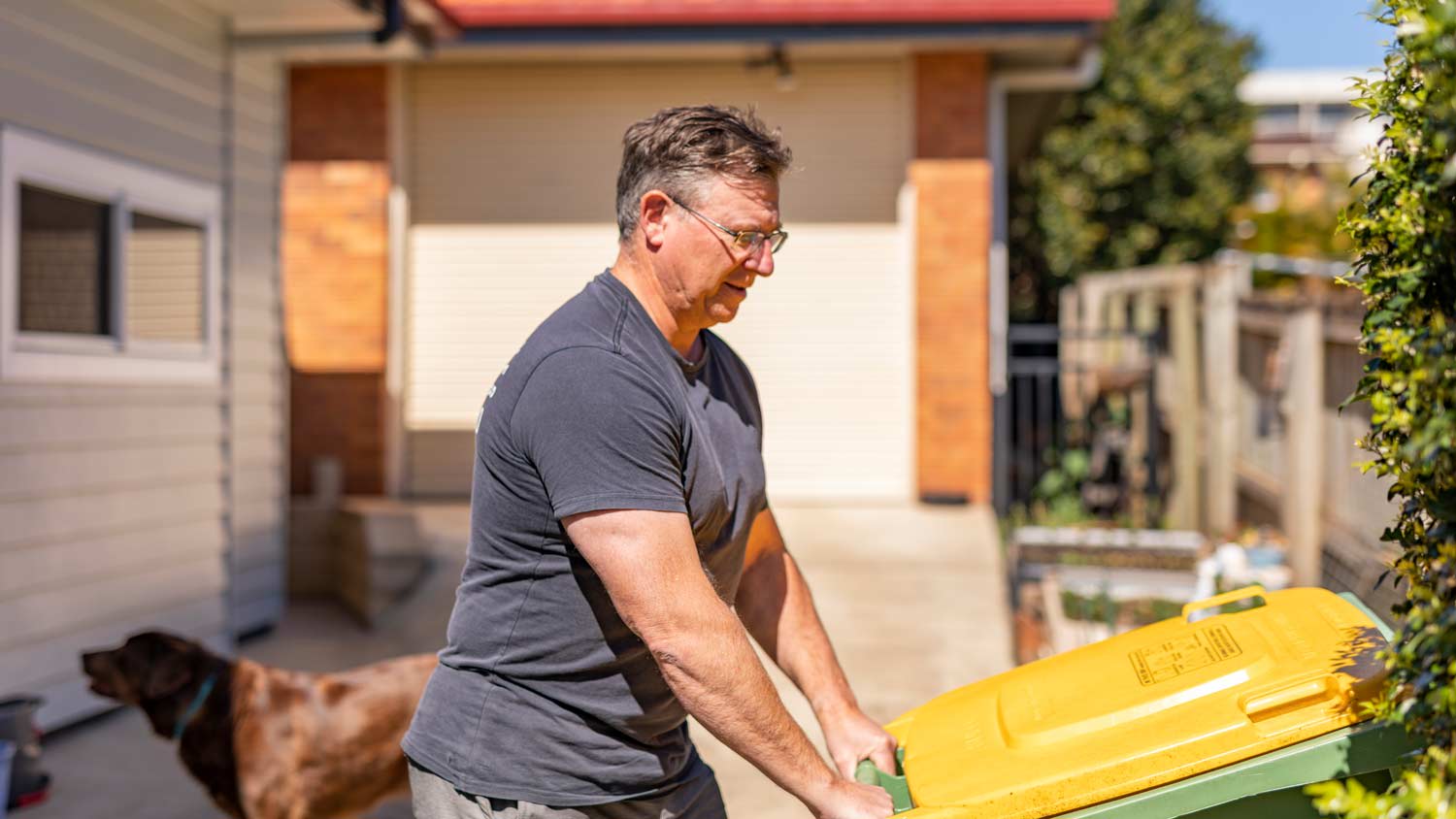
If your home is brimming with things you don’t need, find out about your options when it comes to how to get rid of trash, from junk collection to recycling.
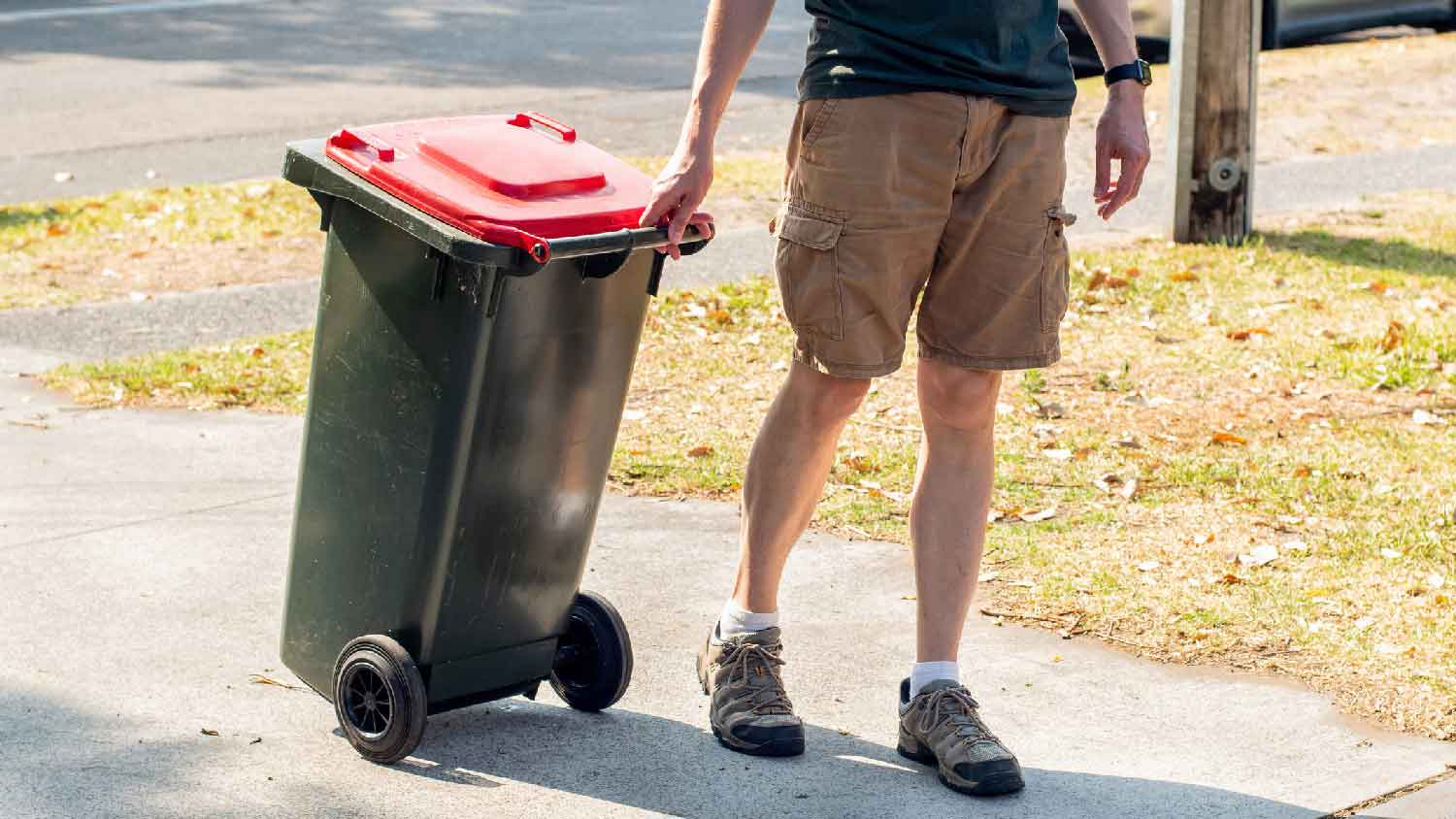
Getting rid of household waste can be complicated. Learn more about different waste disposal methods and how to choose the right one.
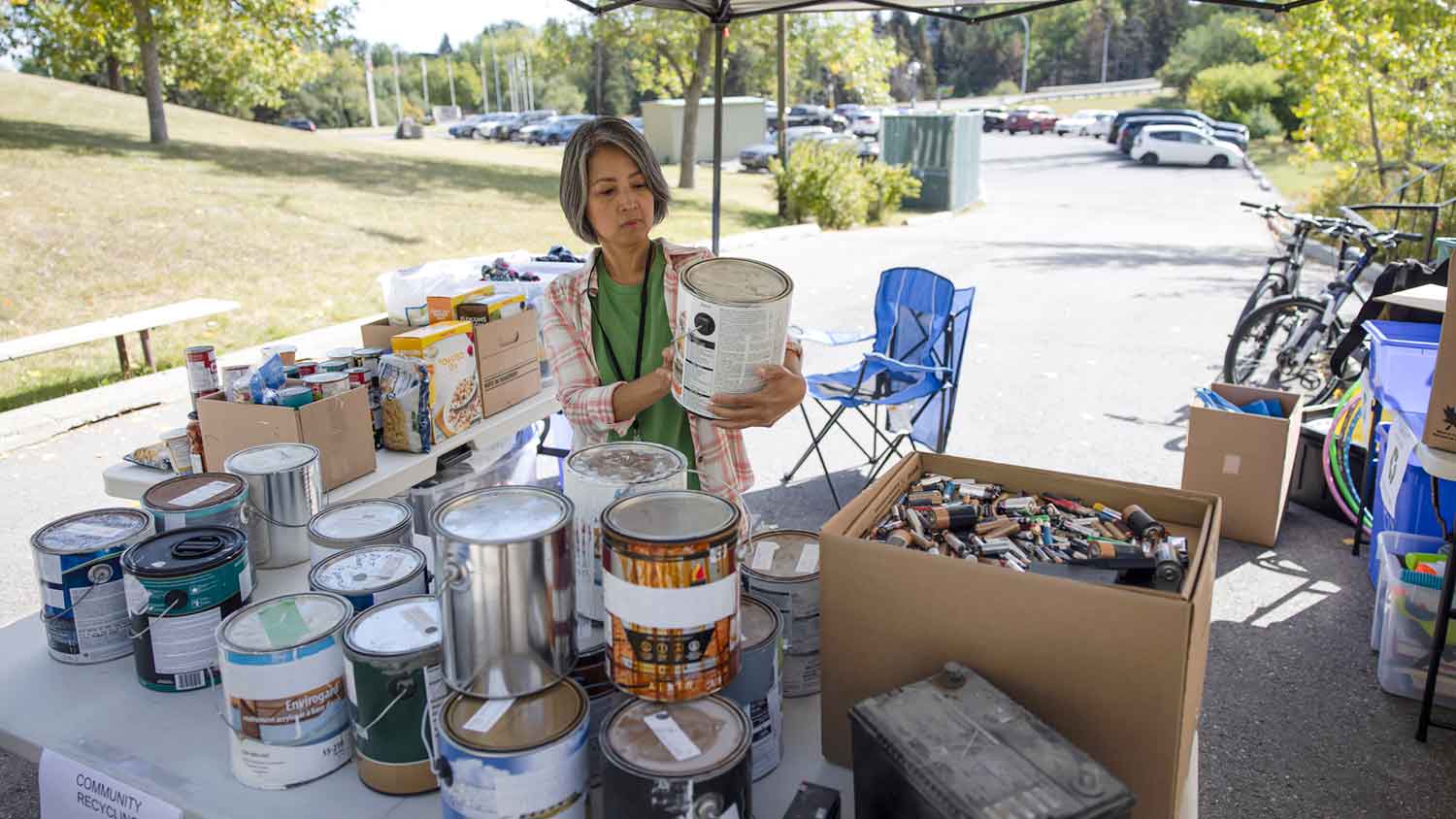
In this guide, learn how to identify and dispose of hazardous waste safely.
Hazardous waste is defined by the EPA as any solid waste that poses a threat to human health or the environment.