While keeping any critter away permanently isn’t always possible, you can keep mice away from your home by setting traps, fumigating your space, and sealing known entry points. Once you’ve taken these steps, take time to work on prevention measures, such as clearing out all clutter and recyclables and removing all food sources.
Raccoons are more social than badgers. Badgers are solitary creatures, with the exceptions being mating season and rearing their young. Raccoons are more adaptable and often found in groups, especially in urban areas. Raccoons form loose social structures and frequently forage together and share dens. This social behavior helps them thrive in diverse environments, from forests to cities.
Armadillos have very strong smelling capabilities to track down insects efficiently. But this superpower is actually a double-edged sword because their extreme sense of smell also causes them to be more sensitive and deterred by strong odors. To keep them at bay, you can place small amounts of substances like vinegar, ammonia, and mothballs around your property and near armadillo hotspots.
Although you can technically flood an armadillo out of its hole, it’s important to remember that this can be potentially fatal to the animal. Armadillos sleep between 16 and 18 hours a day, and if you perform this technique while they’re deep in sleep, they may not awake soon enough to save themselves.
Regular lawn care keeps snakes away because it eliminates common hiding places. You can deter snakes by trimming grass, shrubs, and trees and removing weeds from your lawn and gardens. Clear away leaves and other debris that could serve as a potential snake habitat. You can also seal entry points around building perimeters and install metal snake fencing.
Alongside selecting the best bait for an iguana trap, the location, position, and timing play a part. If the lizards have a burrow in your yard or regularly take the same route, place the trap there during the day. Iguanas are diurnal and most active during the day. A shady spot is best to keep the animal comfortable. And don’t forget to pick a level surface or stabilize the trap with a brick—iguanas are less likely to enter if it’s wobbly.
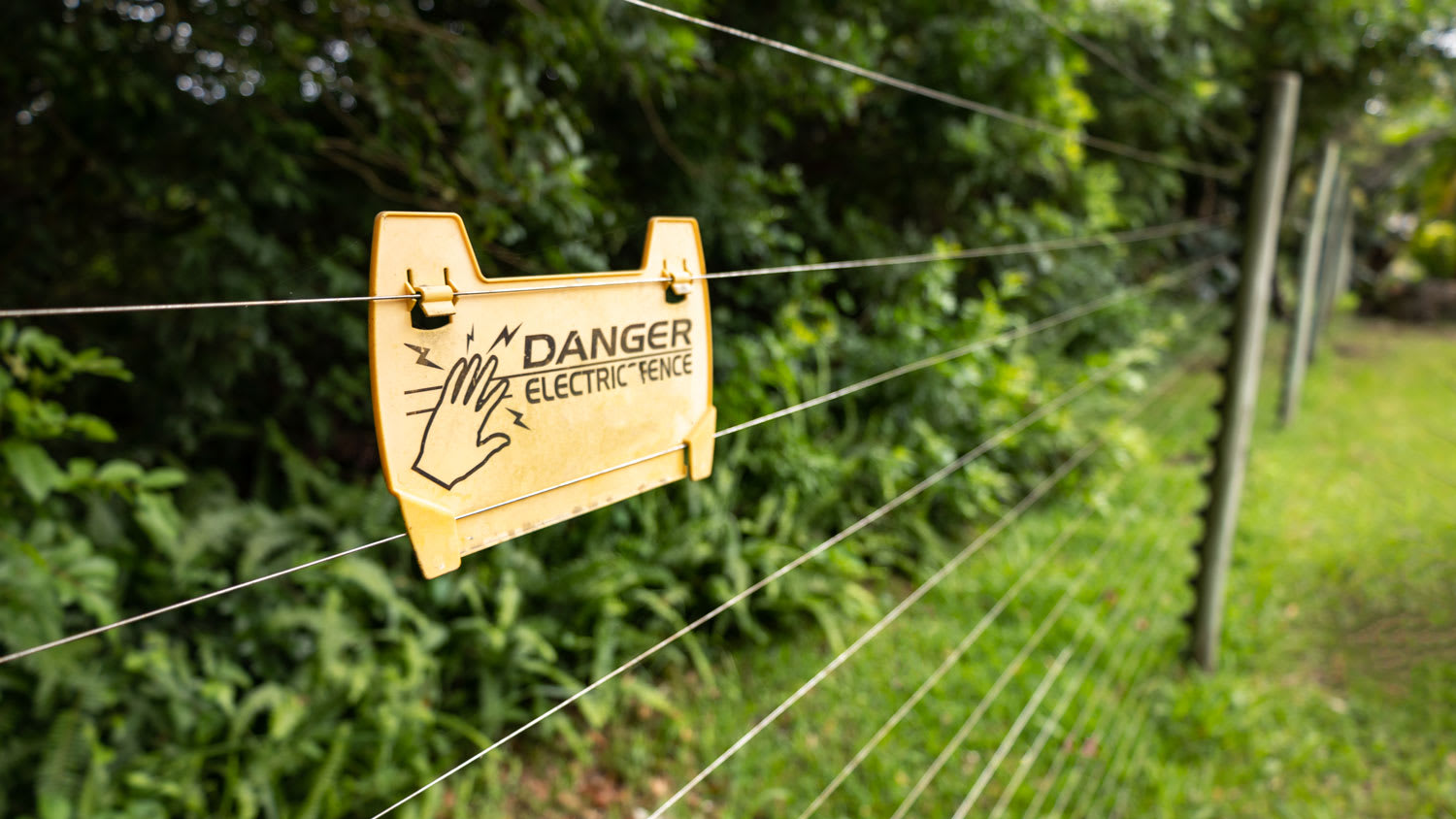
The Freeman, SD homeowners’ guide to animal fencing services
From average costs to expert advice, get all the answers you need to get your job done.
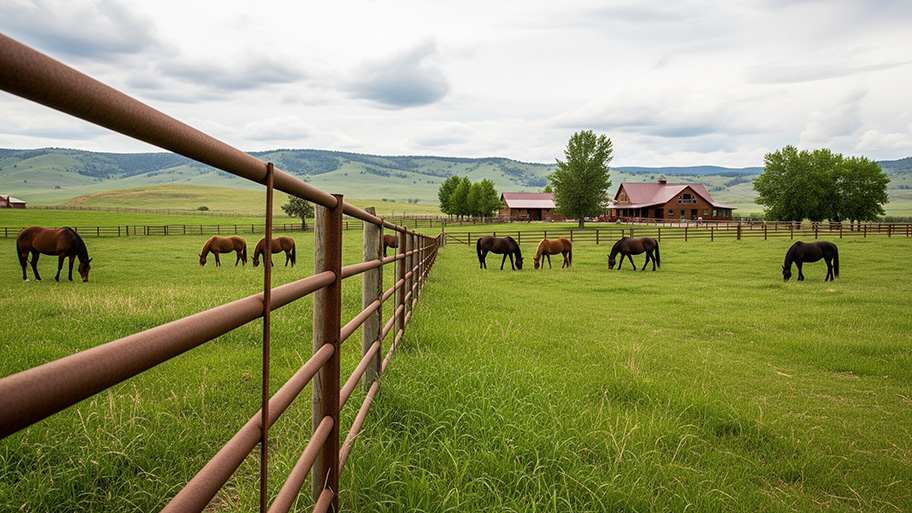
Pipe fencing is an extremely strong, durable option for containing horses and other livestock. This guide breaks down the factors that affect pipe fence cost.