"The technician emptied the freezer, which was in the basement, to work on the part that needed repair. Then he neglected to put anything back into the freezer, including a turkey I had bought for Christmas and a rack of ribs. Two days after he left, I went out of town for two weeks. The turkey actually exploded and spewed its liquid all over everything, which had to be discarded. I let AHS know and they couldn't even bother to call me or follow up on this. I'm considering not renewing my contract with them because of the quality (or lack thereof) of many of the providers they send."
Most home wells start at 100 feet, and many go as deep as 200 or 300 feet.
It takes quite a lot of water to meet the demands of showers, toilets, faucets, and appliances like dishwashers and laundry machines, and shallow wells struggle to provide this amount quickly. If you anticipate having high water usage in the future, it’s often better to drill slightly deeper and give yourself a bit more water storage than you need.
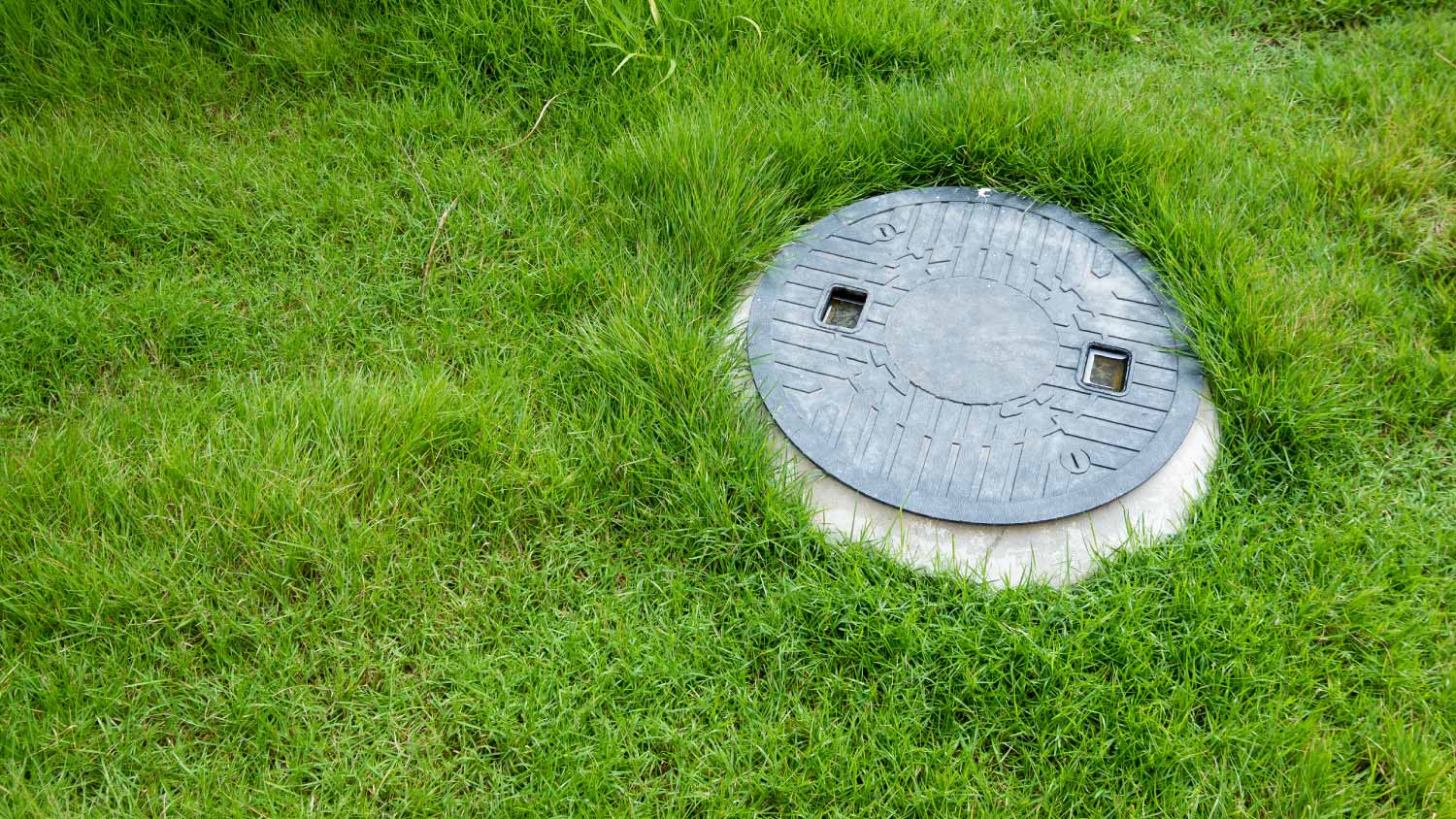
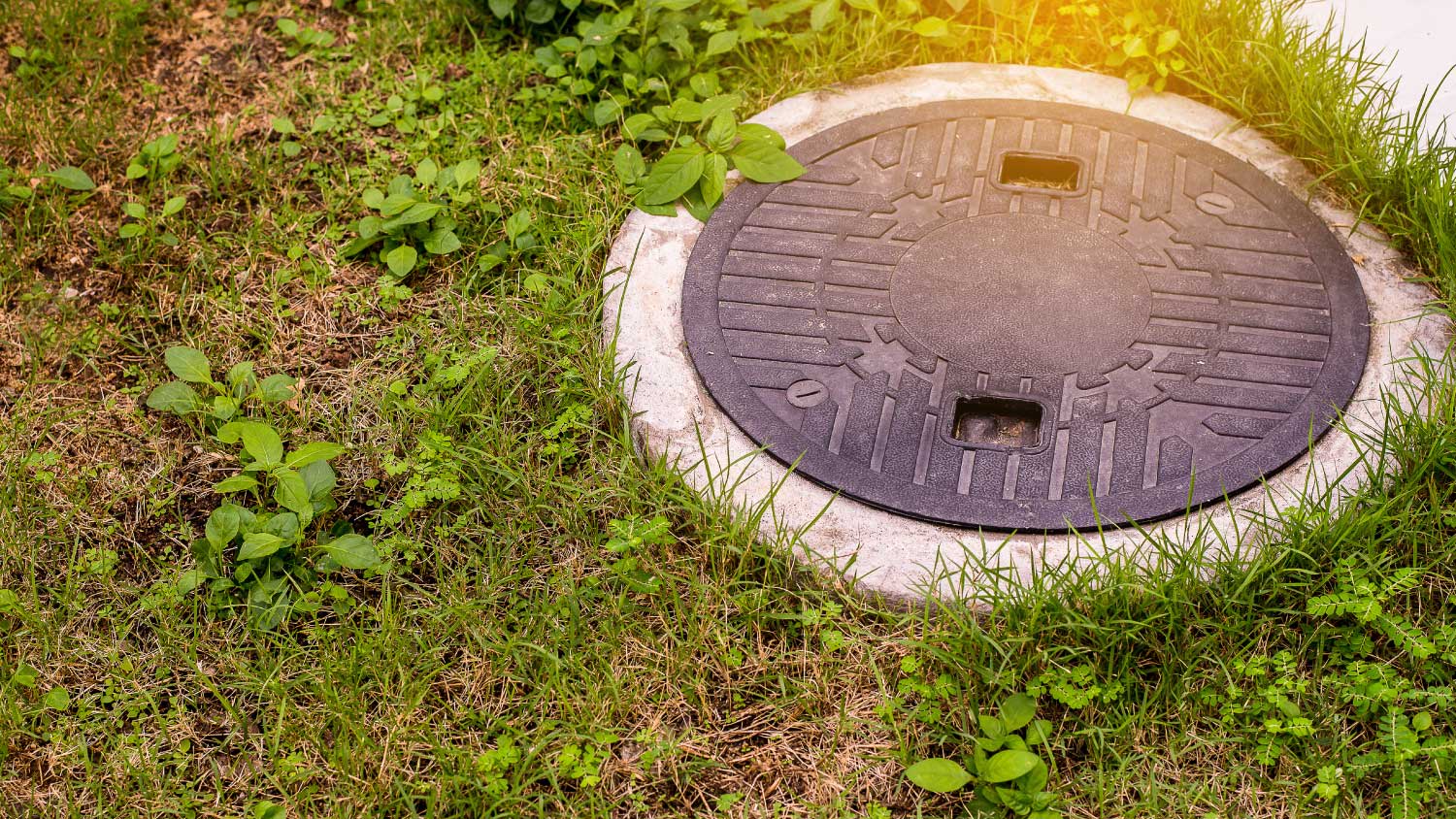
You can find your septic tank using a few different methods. For one, you can check your property records at your local municipal office. You can also inspect your yard looking for a depression, a septic tank lid, or lush septic-area vegetation which would indicate a leach field. You can also follow your pipes from the home to the yard. If you can't find your septic tank on your own, a local septic pro can help.
Yes. Amongst the four most common types of septic tanks—plastic, fiberglass, concrete, and steel—those made of concrete are the most expensive. This is the case for a few reasons, including the fact that they’re very heavy, so pros have to use specialized equipment to install them. However, they’re also incredibly durable, making the price worth it if it’s in your budget.
Beyond the type of well pump, there are a few other factors to consider when selecting a well pump. Keep in mind the depth of your well, your average water usage, and the PSI of your water-consuming appliances to determine the appropriate motor horsepower and size of your well pump.
The bacteria already present in your septic system should be enough to break down solids in a properly maintained septic tank. However, if you’re in a DIY mood, you can try adding (well-mashed) rotten tomatoes to help the good bacteria fulfill their duty. Just make sure you give them a couple hours to work after flushing them down.
The Eureka, SD homeowners’ guide to septic tank services
From average costs to expert advice, get all the answers you need to get your job done.
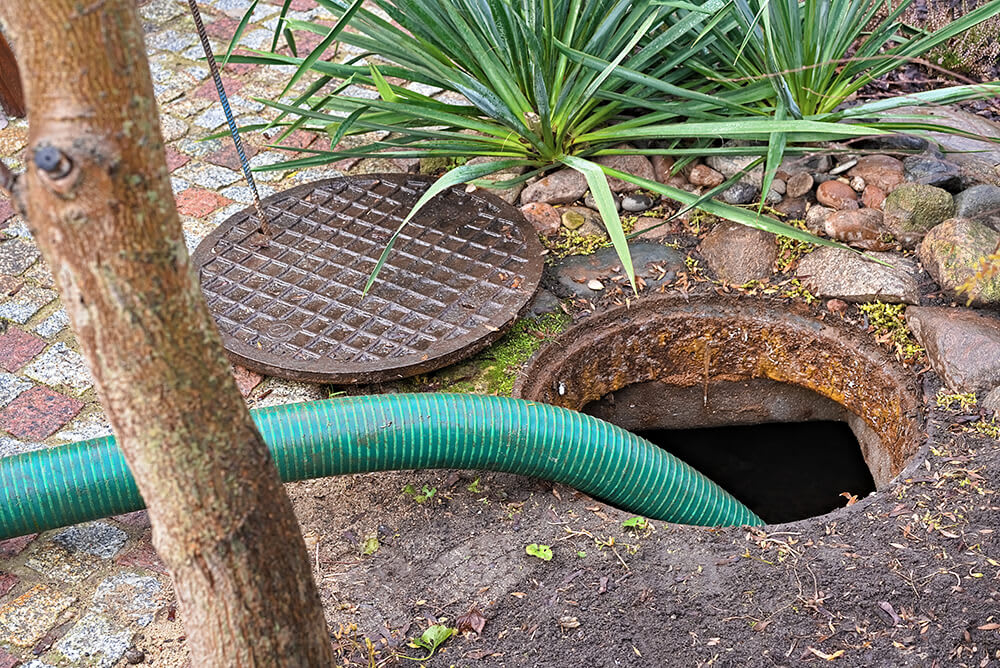
Caring for your septic system is crucial to ensuring its long life. But how much does it cost to pump a septic tank? We explore the different cost factors.
A damaged septic system can leak odors and sewage, so repairs are urgent. Find out how much septic tank repair costs based on repair type, tank size, and more.
Septic tank risers make it easy to access your septic tank when it’s time for routine inspection, maintenance, and pumping, saving you precious time and labor costs.
Septic tank sizes vary depending on the size of your home, how many people live there, how much water you use, and more. Read on to learn how to determine the right size for you.