"AHS is ok. They cover repairs of most everything under the roof of your house. The companies that contract with them are not always the best. You call AHS with the issue, they send a fax to the repair company and give you the contact info. If they don't contact you within 24 hours, you call them. Sometimes they answer, sometimes they don't. When they arrive (usually three days or so later), they service the item. if it has issues within the 90 days, you call AHS again, they are sent out with no charge. If the serviceman decides the unit is unrepairable, AHS will allow you to choose a replacement from their listing (usually not as good as what you have) they will install and remove your old item, or give you wholesale amount to buy and install your own. Prices vary on what you want covered and what you want the copay to be, plus where you live. For me it is 49.99 per month with a 75.00 time of service order. You can have more than one item serviced at the same time under the same fee. If you have a SEAR product the repair guys are great. Not that wild about the other ones they send out. But it is a big savings compared to calling someone on your own. The cost of service is only the 75.00 copay."

Install Above Ground Pools questions, answered by experts
Yes, it's normal for pool pumps to make noises—like a humming or gentle rumbling sound. But if your pool pump is making loud noises, then this could indicate an underlying problem. Sounds to keep an ear out for include grinding, whining, screeching, and banging noises. Also, pay attention to any new or louder sounds emanating from your pump.
Calcium lumps in a pool are calcium deposits that form when a pool's water parameters are not in the normal range. They can float around on the surface of the pool water, making it look and feel dirty. The most common causes of calcium lumps in pools are calcium hardness above 1,000 ppm, alkalinity over 120, and a pH over 7.8. Keeping your pool’s calcium levels, alkalinity, and pH levels within the normal, safe ranges is the best way to prevent calcium lumps and other problems, including damage to the pool surface.
A good rule of thumb is to add one or two 40-pound bags of salt for every inch of rain, but you’ll want to test your salt levels first to ensure you’re adding the right amount. Rainwater can dilute the salt levels in your pool, so after significant rainfall, test the levels and add the appropriate amount of salt to bring it back to the ideal level.
It's not ideal, and if your pool’s pH is seriously low (below 7), swimming can be dangerous until you raise it, potentially causing severe irritation and damage to the skin and eyes.
Keep in mind that low pH can also be responsible for damaging the pool itself. Acidic water can contribute to the cracking of your pool's liner, which may cost up to $2,500 to replace, making this an expensive fix.
Yes, pool pumps use a significant amount of electricity, making them one of the biggest energy consumers in a home. A pool pump can use up to three times as much electricity as a refrigerator. Typically, a residential pool pump consumes about 1 kilowatt-hour (kWh) for every hour it runs. Because pumps often need to run for about eight hours a day to properly filter the water, this can add up to an annual consumption of 3,000 to 5,000 kWh, which can cost between $480 and $800 per year based on average electricity rates.
The amount of electricity your pump uses depends on its size, energy efficiency, and daily run time. To lower your energy consumption, you can choose an energy-efficient or variable-speed pump, ensure it is correctly sized for your pool, and run it only for the minimum time required to keep the water clean.
The Eureka, SD homeowners’ guide to above ground pool installation services
From average costs to expert advice, get all the answers you need to get your job done.
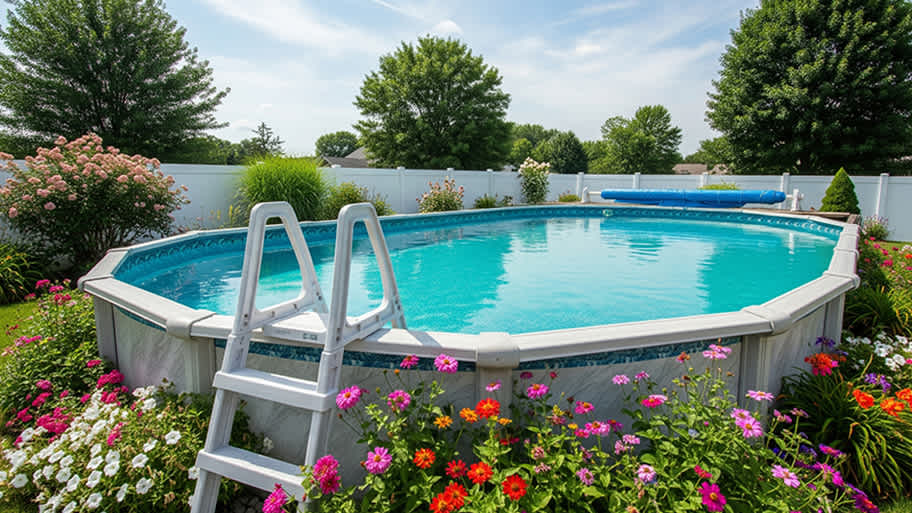
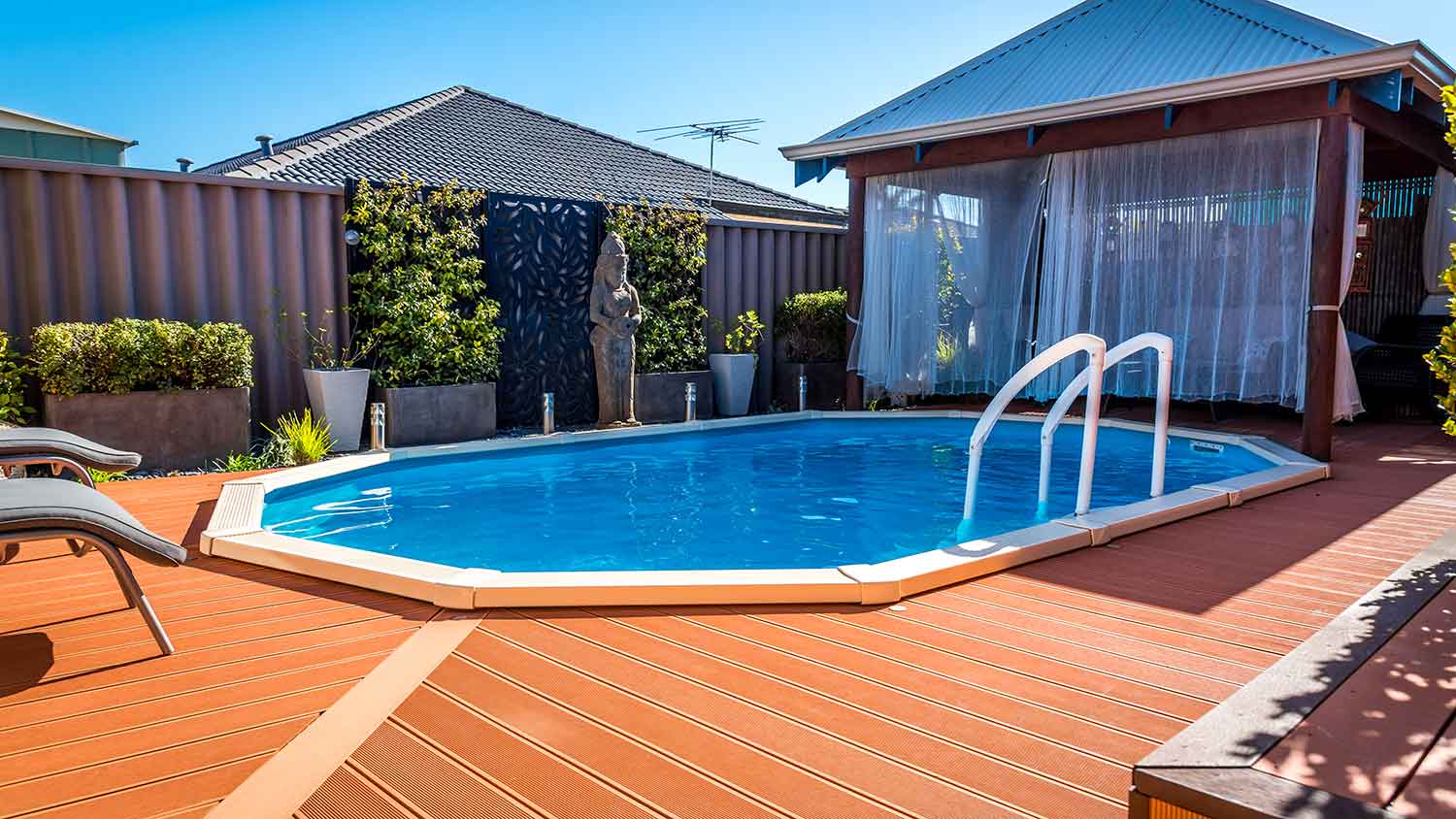
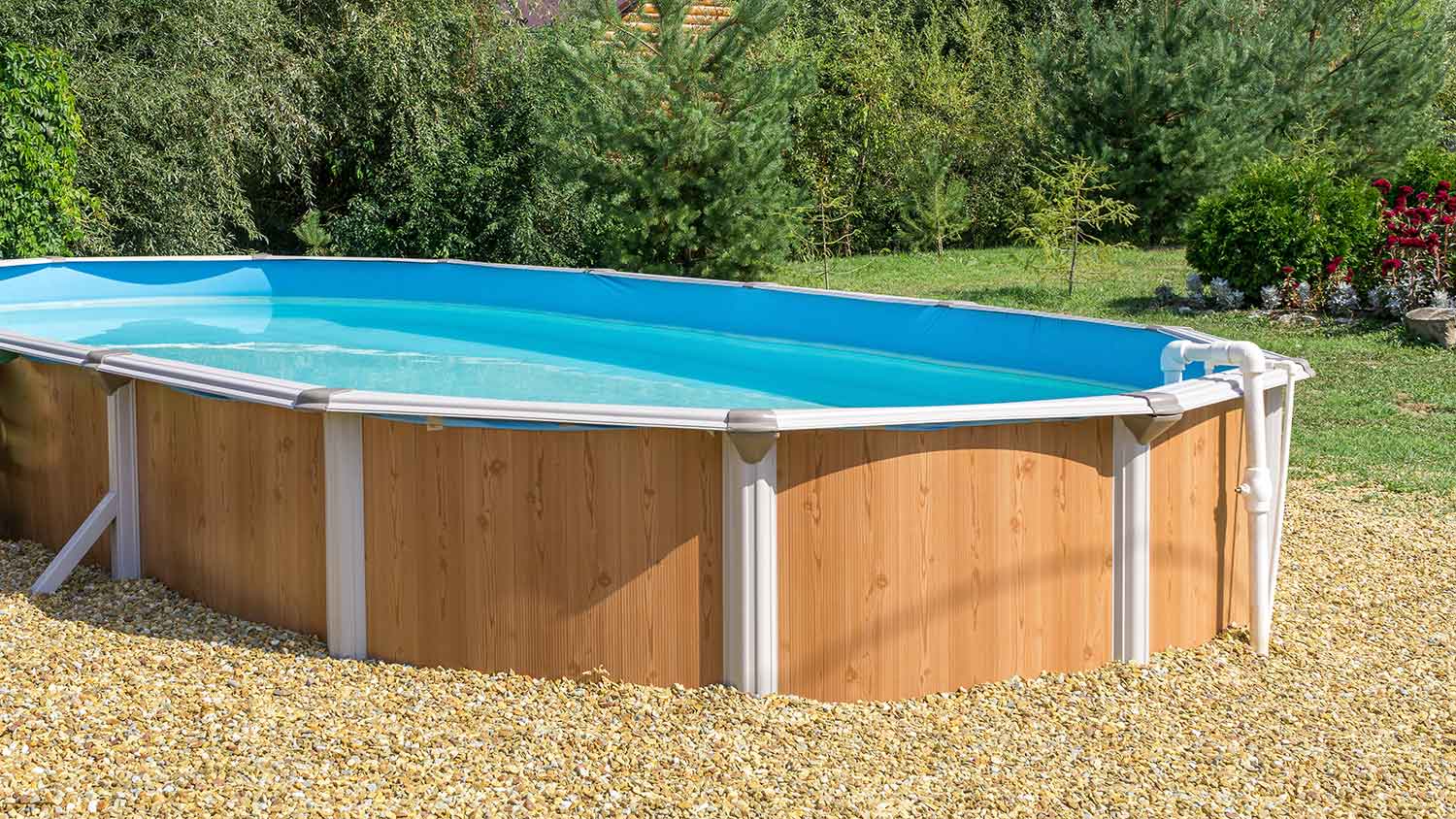
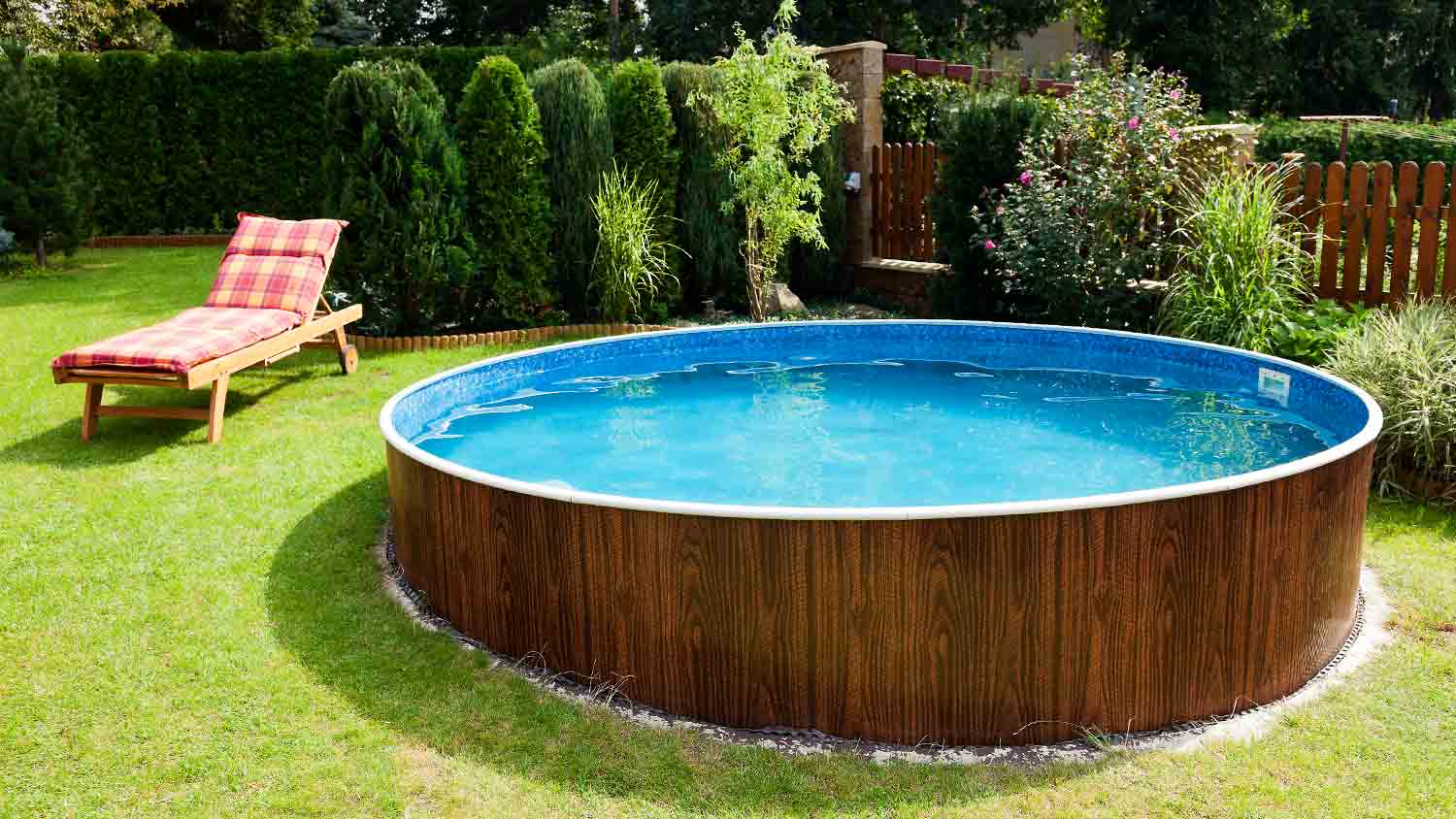
Above ground pools are more affordable than inground pools, so can you put an above ground pool in the ground to save money? Learn when it’s safe to do so.