"AHS is ok. They cover repairs of most everything under the roof of your house. The companies that contract with them are not always the best. You call AHS with the issue, they send a fax to the repair company and give you the contact info. If they don't contact you within 24 hours, you call them. Sometimes they answer, sometimes they don't. When they arrive (usually three days or so later), they service the item. if it has issues within the 90 days, you call AHS again, they are sent out with no charge. If the serviceman decides the unit is unrepairable, AHS will allow you to choose a replacement from their listing (usually not as good as what you have) they will install and remove your old item, or give you wholesale amount to buy and install your own. Prices vary on what you want covered and what you want the copay to be, plus where you live. For me it is 49.99 per month with a 75.00 time of service order. You can have more than one item serviced at the same time under the same fee. If you have a SEAR product the repair guys are great. Not that wild about the other ones they send out. But it is a big savings compared to calling someone on your own. The cost of service is only the 75.00 copay."

Install Above Ground Pools questions, answered by experts
It takes more electricity to run one, so it’s not necessarily cheaper to run a salt water pool. However, the cost difference is relatively minor; it may cost an extra $50 over the course of a year. However, salt costs a lot less than chlorine sanitizers. This lowers the overall maintenance costs for a salt water pool compared to chlorine pools.
Yes, pool pumps use a significant amount of electricity, making them one of the biggest energy consumers in a home. A pool pump can use up to three times as much electricity as a refrigerator. Typically, a residential pool pump consumes about 1 kilowatt-hour (kWh) for every hour it runs. Because pumps often need to run for about eight hours a day to properly filter the water, this can add up to an annual consumption of 3,000 to 5,000 kWh, which can cost between $480 and $800 per year based on average electricity rates.
The amount of electricity your pump uses depends on its size, energy efficiency, and daily run time. To lower your energy consumption, you can choose an energy-efficient or variable-speed pump, ensure it is correctly sized for your pool, and run it only for the minimum time required to keep the water clean.
The regulations for pool fence heights vary by state, so be sure to research what the legal, minimum height is in your area before purchasing or installing a fence. Though every region is different, generally a pool fence must be at least 4 and ½ feet high. If you’re unsure whether you need a fence around your pool, and how high that fence should be, contact a local pool enclosure expert to help you successfully, and safely, move forward.
Technically, you can fill in a pool yourself—with the caveat that filling in a pool requires the ability to drain the pool properly and move a substantial amount of dirt, which aren’t beginner DIY skills. If you want to fill in a pool, you’re better off hiring a local pool removal professional.
Whether your homeowners insurance covers a pool leak depends on your specific policy, so it's essential to check your policy documents before taking on any repairs. Typically, leaks caused by a covered event, such as a fallen tree branch or a fire, may be covered. However, leaks resulting from general wear and tear or poor maintenance are usually not. It is also a good practice to review your homeowners insurance policy before installing a pool to fully understand your personal liability and coverage.
The Ashley, ND homeowners’ guide to above ground pool installation services
From average costs to expert advice, get all the answers you need to get your job done.
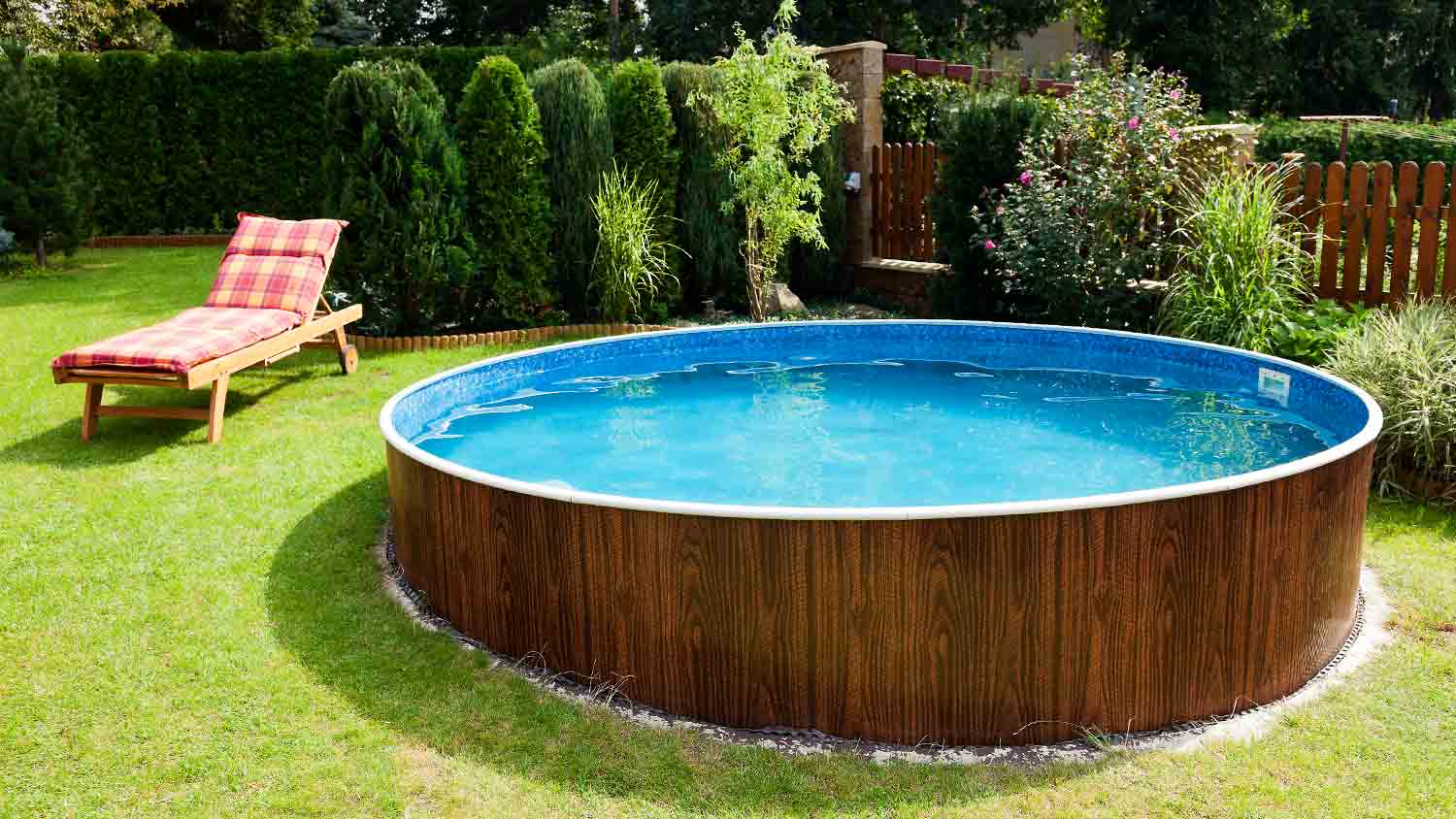
Above ground pools are more affordable than inground pools, so can you put an above ground pool in the ground to save money? Learn when it’s safe to do so.