


Top-rated boiler repair pros.

Best boiler repair pros near Custer, SD

Enter your zip and get matched with up to 5 pros

TRUSTED BY CUSTER, SD HOMEOWNERS

  • Average homeowner rating star icon3.8
    Average homeowner rating
  • Verified reviews icon20
    Verified boiler repairs reviews

Top-Rated Boiler repair pros in Custer - Updated Nov 2026

Avatar for American Home Shield – Home Warranty
American Home Shield – Home Warranty
3.5(
5,689
)
Boiler or Radiator Heating System - Install or ReplaceBoiler or Radiator Heating System - Install or Replace - For BusinessBoiler or Radiator Heating System - Repair or Service+13 more

Serving Custer, SD and surrounding areas

In business since 1971

Credit card accepted

"AHS is ok. They cover repairs of most everything under the roof of your house. The companies that contract with them are not always the best. You call AHS with the issue, they send a fax to the repair company and give you the contact info. If they don't contact you within 24 hours, you call them. Sometimes they answer, sometimes they don't. When they arrive (usually three days or so later), they service the item. if it has issues within the 90 days, you call AHS again, they are sent out with no charge. If the serviceman decides the unit is unrepairable, AHS will allow you to choose a replacement from their listing (usually not as good as what you have) they will install and remove your old item, or give you wholesale amount to buy and install your own. Prices vary on what you want covered and what you want the copay to be, plus where you live. For me it is 49.99 per month with a 75.00 time of service order. You can have more than one item serviced at the same time under the same fee. If you have a SEAR product the repair guys are great. Not that wild about the other ones they send out. But it is a big savings compared to calling someone on your own. The cost of service is only the 75.00 copay."
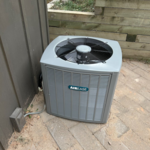
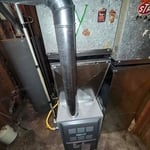
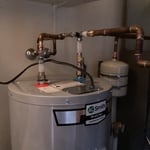
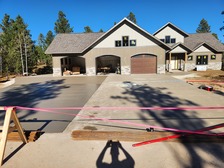
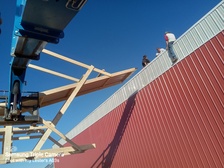
Additional Photos
Additional Photos
Additional Photos
Additional Photos
Additional Photos

+2

Recommended by65%of homeowners
Boiler Repair FAQs, answered by experts

It can be difficult to determine the cause of a coolant leak unless you have the unit inspected by a certified professional. Most coolant leaks are caused by wear and tear on seals and joints. This typically happens five years after a unit is installed. Additionally, faulty or worn compressors, evaporator coils, and condenser coils can also cause leaks.

Boilers are equipped with multiple safety features to ensure safe operation. These include pressure relief valves to prevent overpressure, temperature high-limit switches to avoid overheating, and flame failure safety devices in gas boilers to cut off the gas supply if the flame goes out unexpectedly. Low water cutoffs prevent operation with insufficient water levels, and pressure gauges help monitor pressure levels. Ventilation and flue systems prevent the buildup of harmful gasses. Boilers often feature error code systems for automatic shutdown during malfunctions and gas leak detection for safety. Regular maintenance is crucial to ensure these safety features function correctly.

Addressing banging, clanging, and hissing radiators involves several steps. Start by bleeding the radiator to release trapped air, a common source of noise. Next, ensure all valves, brackets, and pipes are securely tightened to prevent the components from rattling. You can also consider installing radiator insulation to dampen heat expansion sounds. If you perform all of these fixes and the noise persists, explore the use of radiator additives that can mitigate water-related noises. If all else fails, you should consult an HVAC professional.

If your home uses more than one gas appliance, you'll continue to use gas, even outside of the heating season. Your water heater, gas stove and oven, and gas dryer will all use some gas, although typically much less than a furnace. Additionally, those appliances may also have a pilot light that is lit continually, using a small amount even when no one is at home.

The average lifespan of a boiler is typically between 15 and 20 years, though some may last for as little as 10 years while others can reach 30. A boiler's longevity is influenced by several factors, including the quality of the unit, proper installation, and consistent professional maintenance.

The material also plays a significant role. Older boilers made from durable cast iron can last for over 20 years, with some functioning for up to 50 years. However, it's important to consider their lower efficiency, which can lead to higher utility bills. Modern boilers, often made from steel alloys, are designed to withstand high pressure and temperatures and have an average lifespan of about 20 years.

To maximize your boiler's lifespan, ensure it is installed correctly, have it professionally maintained each year, and address any necessary repairs immediately.

The Custer, SD homeowners’ guide to boiler repairs

From average costs to expert advice, get all the answers you need to get your job done.