



Top-rated deck repair pros.

Get matched with top deck repair pros in Chamberlain, SD

Enter your zip and get matched with up to 5 pros

Need a pro for your deck repair project in Chamberlain, SD?

Select your specific project to find the pro for you.

Find Deck repair pros in Chamberlain

Avatar for Indigo Construction LLC
Indigo Construction LLC
4.8(
11
)
Deck or Porch - Repair

Serving Chamberlain, SD and surrounding areas

Approved

In business since 2025

Free estimates

Emergency services offered

Indigo Construction is a locally owned construction company dedicated to helping homeowners improve, expand, and add value to their spaces. We specialize in egress window installation, basement finishing, drywall, painting, flooring, and carpentry, delivering code-compliant work with a strong focus on safety, durability, and craftsmanship. From functional upgrades to full interior transformations, Indigo Construction provides dependable service, clear communication, and quality results you can trust.
My Jobs
My Jobs
My Jobs
My Jobs
My Jobs

+21

2 neighbors recently requested a quote
Deck Repair questions, answered by experts

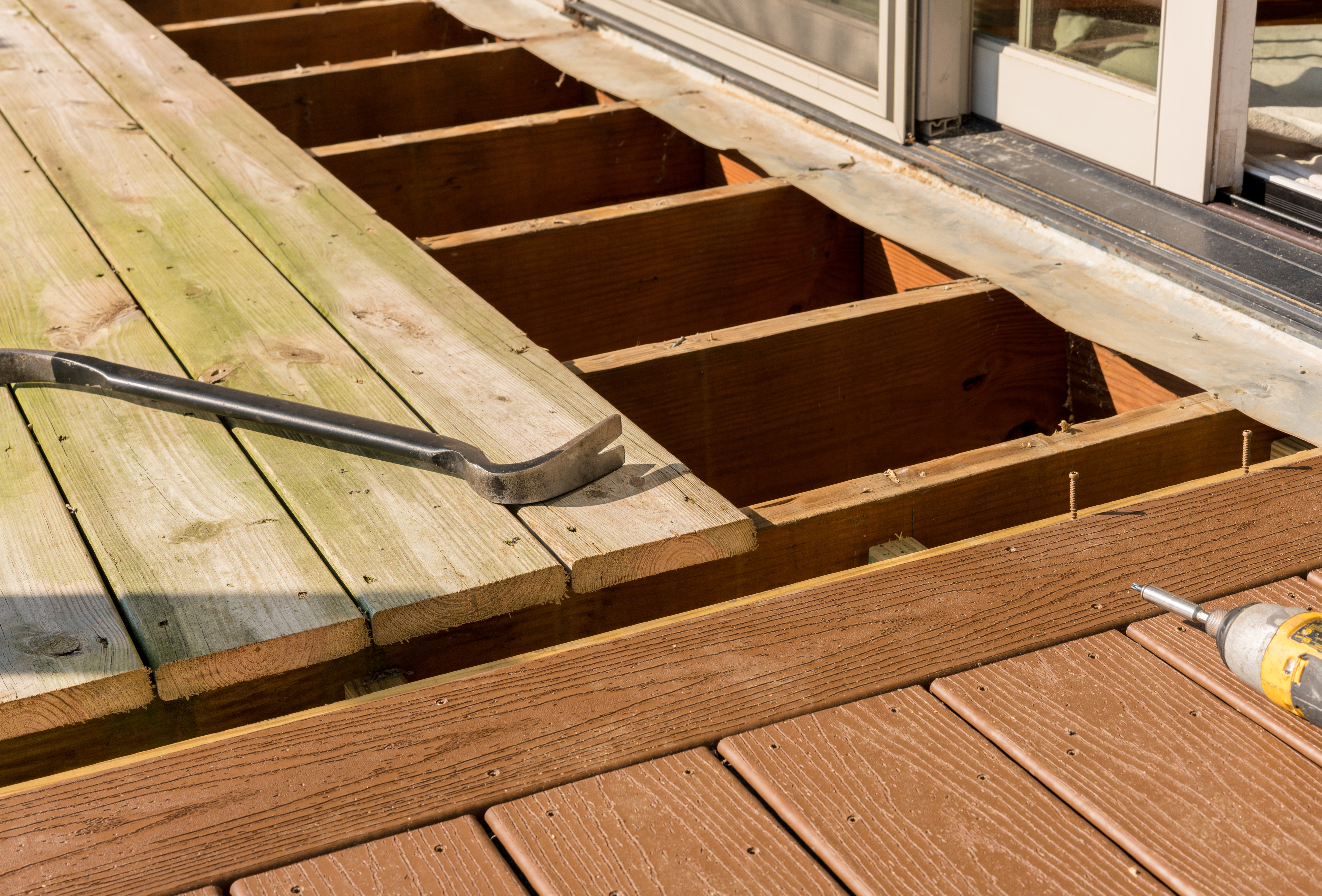
If you have wood decking, there are several common deck problems that you might encounter. For example, your natural wood boards may fade over time due to things like sunlight, weather, and debris. On top of that, some types of wood decking can rot, grow mold, and attract destructive pests—including termites, carpenter ants, and woodpeckers.

The proper and most comfortable height for a deck stair riser, also called a step, is between four and seven inches. A height of seven inches is often considered ideal for a strain-free step that minimizes the risk of trips and falls. While it is possible to have risers up to 12 inches, this height can be challenging for children, pets, or individuals with mobility issues. For optimal safety and comfort, pair a seven-inch riser with a tread depth (or run) of at least 10 to 12 inches. Always check your local building codes, as they may have specific requirements that differ from these general recommendations.

Both deck footings and deck posts help prop up your deck. However, footings are the bottommost parts of a deck that touch the ground. They’re usually made of concrete. Posts are pieces of wood that attach to the top of the footings with brackets. They run upwards and connect to the underside of your deck to support its weight.

A deck that isn’t attached to a house is called a floating or freestanding deck. These standalone decks are built near ground level, so they usually don’t need deck stairs. Some don’t even require permits. Generally speaking, building a floating deck is faster and more DIY-friendly than constructing one that’s connected to your home.

The life expectancy of deck boards varies widely based on the material, climate, and maintenance. Untreated wood boards typically last 10 to 30 years with proper care, while pressure-treated boards can last up to 50 years. Hardwoods generally outlast softwoods. Composite boards also tend to last longer than natural wood. Environmental factors like arid or humid climates can shorten a deck's lifespan. To extend the life of wood decking, it's important to consistently clean and seal it to protect against moisture, UV light, and insects.

The Chamberlain, SD homeowners’ guide to deck repair services

From average costs to expert advice, get all the answers you need to get your job done.