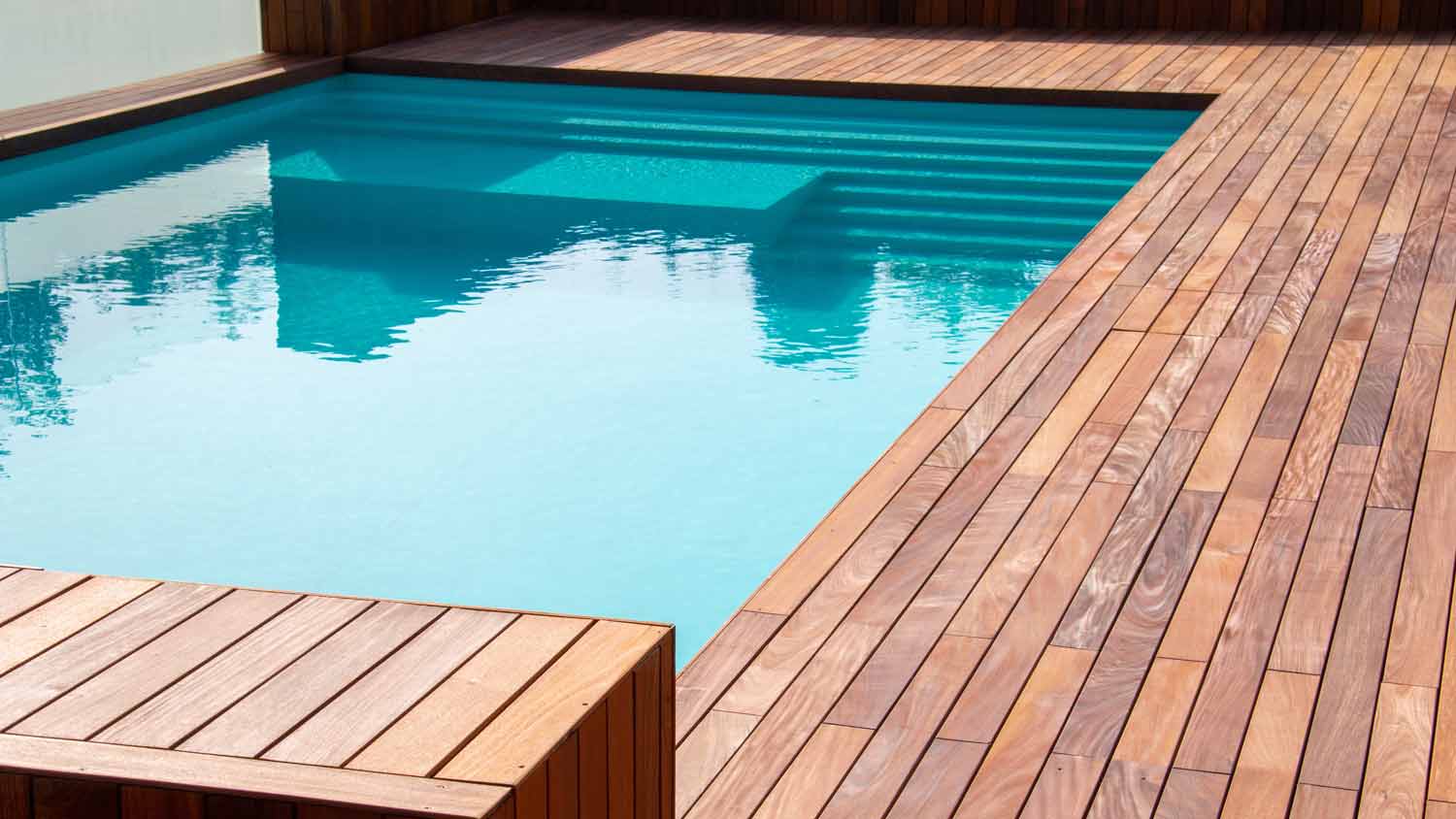
David Ferguson's construction business is dedicated to quality and outstanding customer service. Our job is to provide you with quality service at a great price. Please don't wait call us today.
When building a deck, #2 grade lumber is a go-to for several reasons. It’s strong, budget-friendly, and works well for most framing and decking needs. But upgrading to #1 or Appearance Grade can give your deck that extra visual edge if you're after a cleaner, more polished look for high-visibility spots.
The overhang, or nosing, of deck steps is another area that will be covered in building code requirements. The noses on your deck steps should have a minimum overhang of ¾ inch. For safety, usability, and code compliance, the nosing of deck steps should not extend past 1¼ inches.
Decks are generally more expensive to build because they require elevating and railings. The difference between decks and patios is that decks are elevated, while patios are usually on the ground level. Plus, decks are usually made of wood and need more maintenance than most patios. However, decks and patios serve the same purpose, providing outdoor space for you to enjoy.
Yes, adding a composite deck, such as one made from Trex, can significantly increase your home's value. It is a valuable home renovation for recouping costs, with some estimates for return on investment (ROI) ranging between 60% and 70%. More recently, Remodeling's 2024 Cost vs. Value Report suggests a deck addition has an ROI of 82.9%, with an average resale value of nearly $14,600. A new deck makes your yard more functional, enhances the landscape's aesthetic, and can entice prospective buyers. The investment may have a higher return if the deck adds usable square footage to the property.
The average cost to professionally clean or pressure wash a deck is around $150, with prices typically ranging from $100 to $600. Several factors influence the final price, including the deck's size, material, condition, and how long it has been since its last cleaning. For a smaller deck of about 300 square feet, you might pay around $100. For a larger deck of 1,000 square feet or more, the cost could be closer to $300 to $400. Decks that are very dirty or haven't been cleaned in years may require more time and special detergents, which will increase the price. The deck's material also plays a role. Wood decks often cost more to clean because they require a gentle power washing technique to avoid damage. Composite decks are typically less expensive to clean, and cleaning a metal deck may cost around $100.
The Mission, SD homeowners’ guide to deck repair services
From average costs to expert advice, get all the answers you need to get your job done.
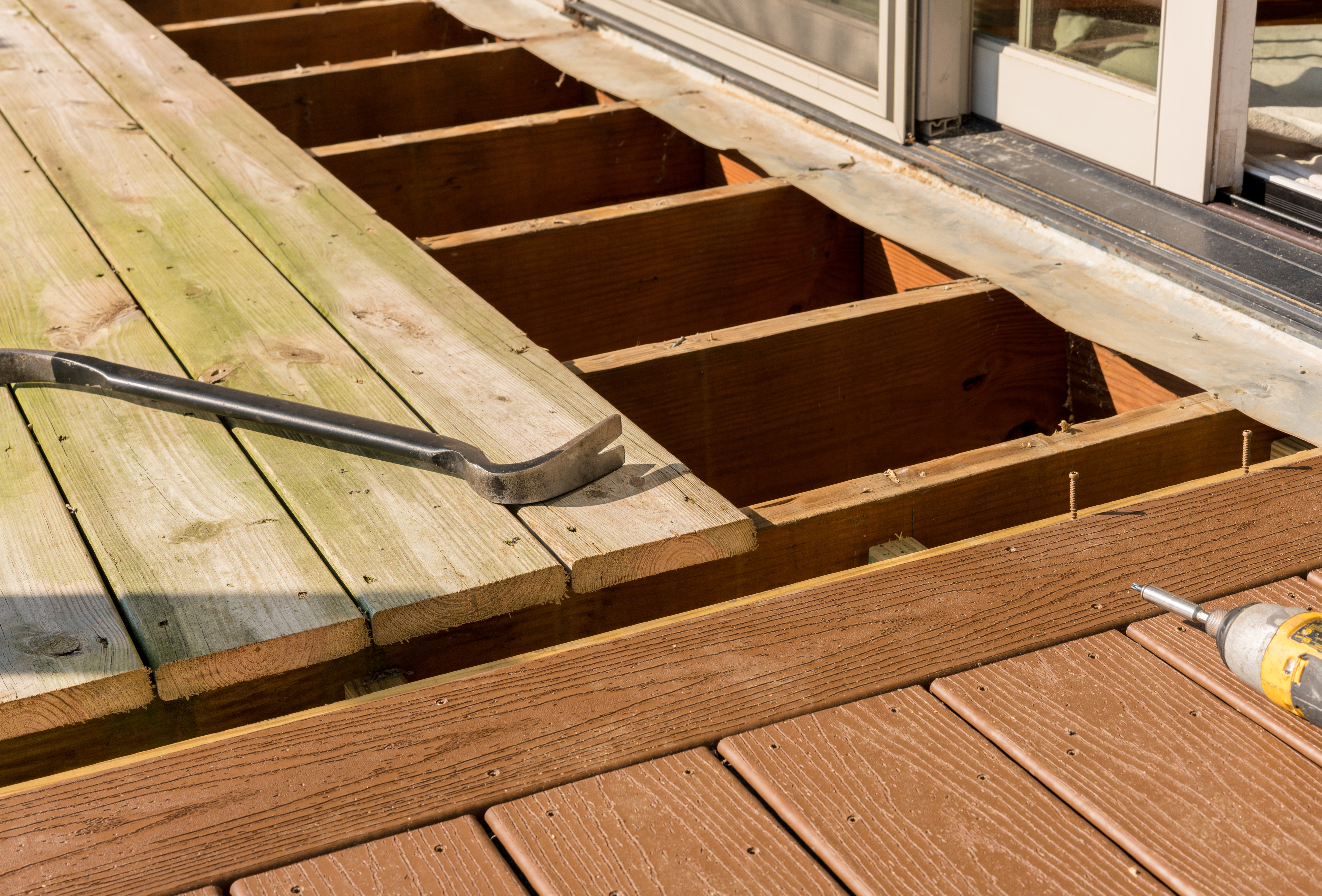
Deck replacement costs depend on materials, any structural damage you need to fix, and more. This guide explores how much it costs to replace or repair a deck.
Refinishing your deck is a great way to restore its appearance and fall in love with your outdoor space. Use this guide to learn how much it costs based on factors like size and type.
Old and run-down porch railings can be an eyesore and pose a risk of falling. Find out how much it costs to replace your worn out porch railings with new materials.
If your deck is in bad shape, this deck repair checklist will help you inspect, clean, maintain, and repair it without missing any vital steps in the process.