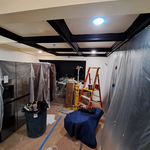
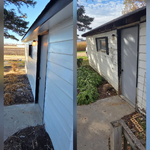
Indigo Construction is a locally owned construction company dedicated to helping homeowners improve, expand, and add value to their spaces. We specialize in egress window installation, basement finishing, drywall, painting, flooring, and carpentry, delivering code-compliant work with a strong focus on safety, durability, and craftsmanship. From functional upgrades to full interior transformations, Indigo Construction provides dependable service, clear communication, and quality results you can trust.
David Ferguson's construction business is dedicated to quality and outstanding customer service. Our job is to provide you with quality service at a great price. Please don't wait call us today.
TH's Paining and Designs is committed to excellence in every aspect of our business. We uphold a standard of integrity bound by fairness, honesty, and personal responsibility. Our distinction is the quality of service we bring to our customers. Accurate knowledge of our trade combined with ability is what makes us true professionals. Above all, we are watchful of our customers' interests, and make their concerns the basis of our business.
\n
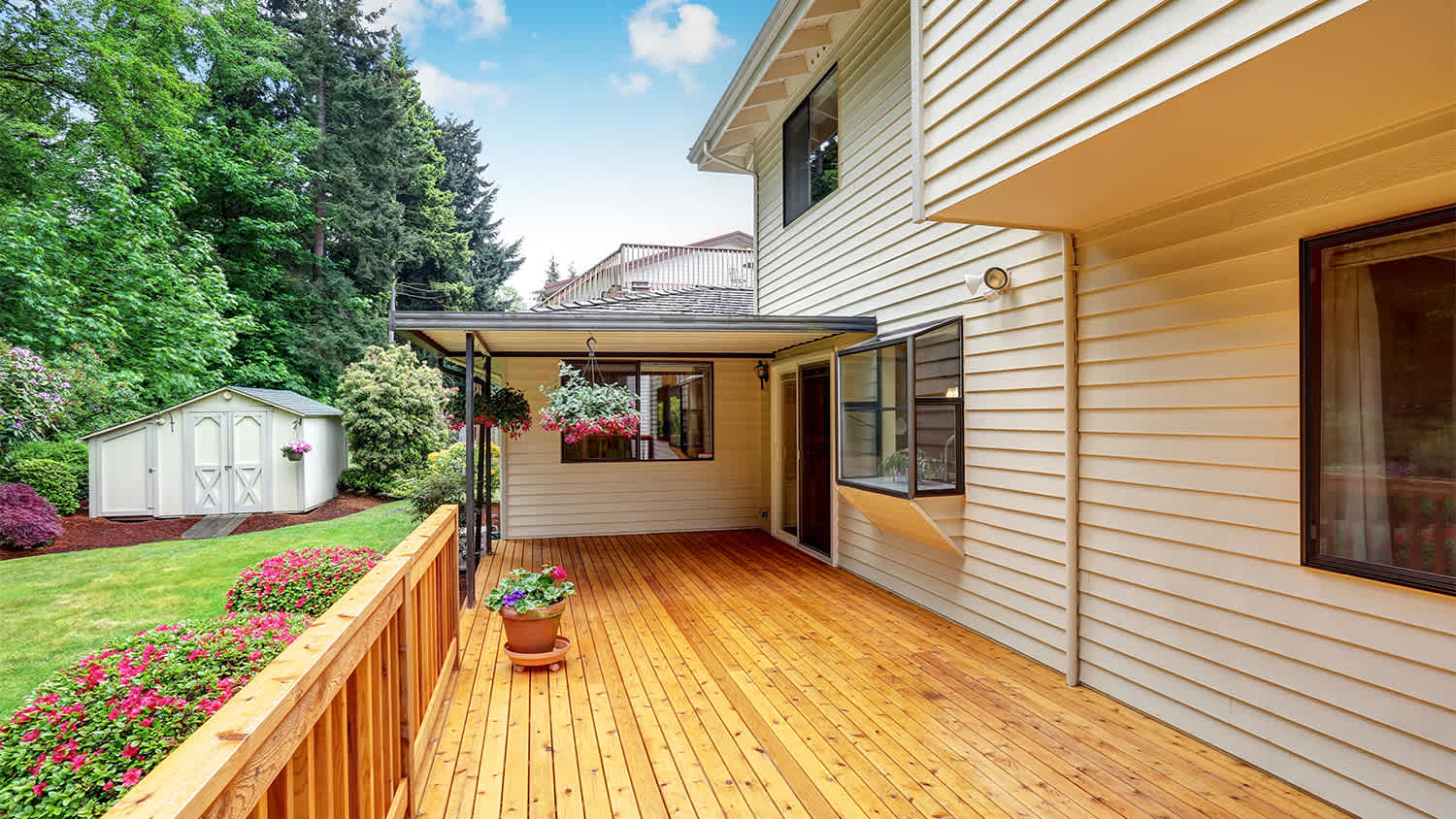
A cedar deck can increase your home's value if the project is executed well. The value added by a deck is influenced by factors such as location, materials, and craftsmanship. In regions with warmer climates, decks are particularly desirable, enhancing outdoor living spaces.
The key to getting the most value out of your investment, both in terms of home value and personal enjoyment, is to make sure your deck is built to exacting standards. You should consult with a professional deck builder to get the best results and the highest ROI.
The proper height for a stair riser or deck step is between four and seven inches, with seven inches often considered the most comfortable. Building your stairs to this height ensures a strain-free step position and minimizes the risk of trip and fall injuries. For optimal safety and comfort, especially on deck stairs, a rise of around seven inches should be paired with a tread depth (or run) of at least 10 to 12 inches. While it is possible to design stairs with risers up to 12 inches, this height can be challenging for children, pets, or individuals with mobility issues. Always check with your local building codes, as they may mandate specific dimensions that differ from these general recommendations.
Yes, using sustainable materials and recycled composites offer green solutions.
Rotting wood, loose railings, or unstable stairs may indicate a need for expertise.
The best way to clean your decking is to clear debris from the gaps between the boards, sweep the surface, rinse it, apply cleaner, rinse again, and let it dry fully. A homemade deck cleaner made of two gallons of warm water and 1/2 cup vinegar is a simple cleaning solution for both wood and composite decking. You can sprinkle baking soda on any spots with mold or mildew, then scrub the area and rinse clean.
The Miller, SD homeowners’ guide to deck repair services
From average costs to expert advice, get all the answers you need to get your job done.
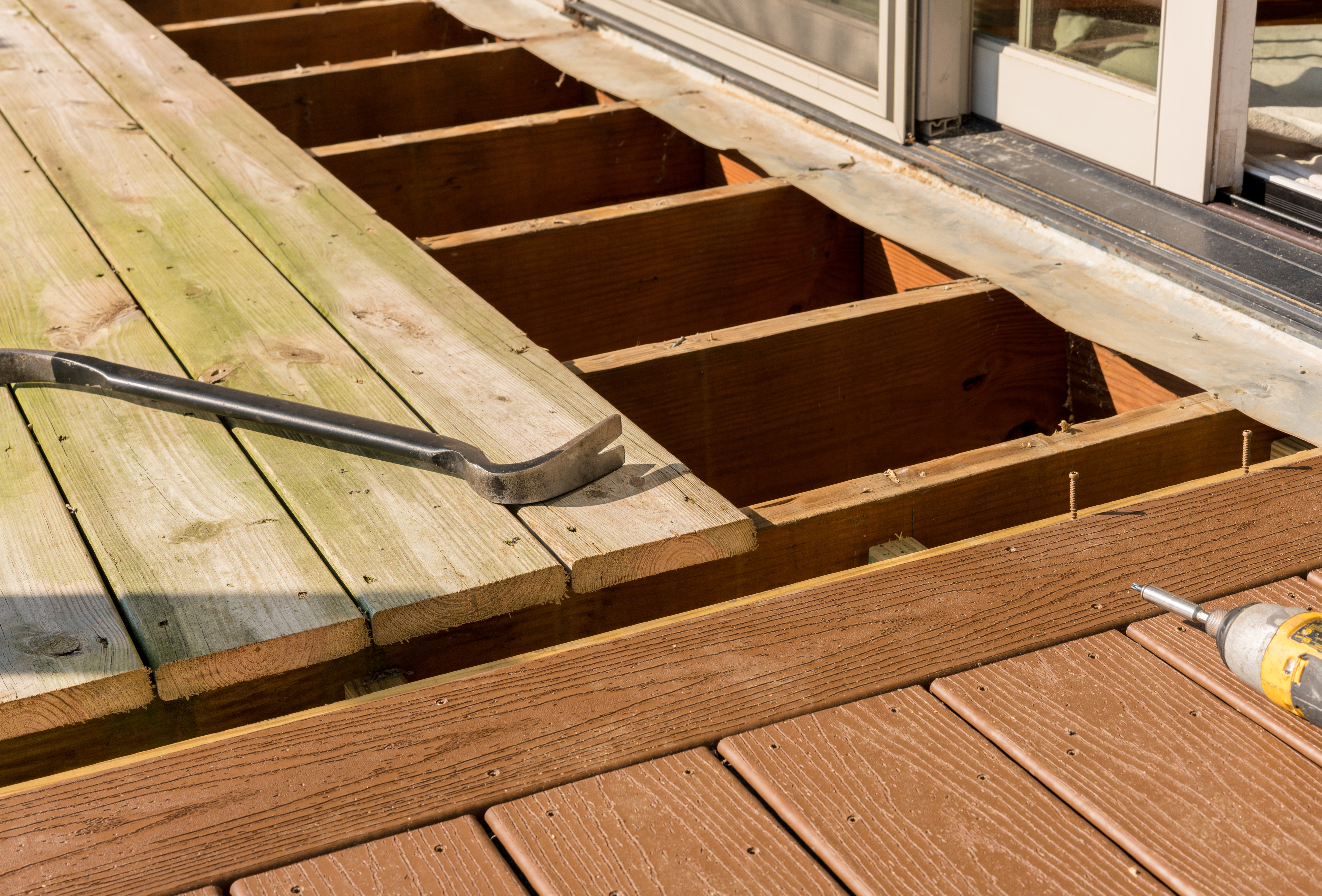
Deck replacement costs depend on materials, any structural damage you need to fix, and more. This guide explores how much it costs to replace or repair a deck.
Old and run-down porch railings can be an eyesore and pose a risk of falling. Find out how much it costs to replace your worn out porch railings with new materials.
The cost to paint a pool deck depends on the dimensions and material, the type of paint, and whether you DIY. Read on to help determine a project budget.
If your deck is in bad shape, this deck repair checklist will help you inspect, clean, maintain, and repair it without missing any vital steps in the process.