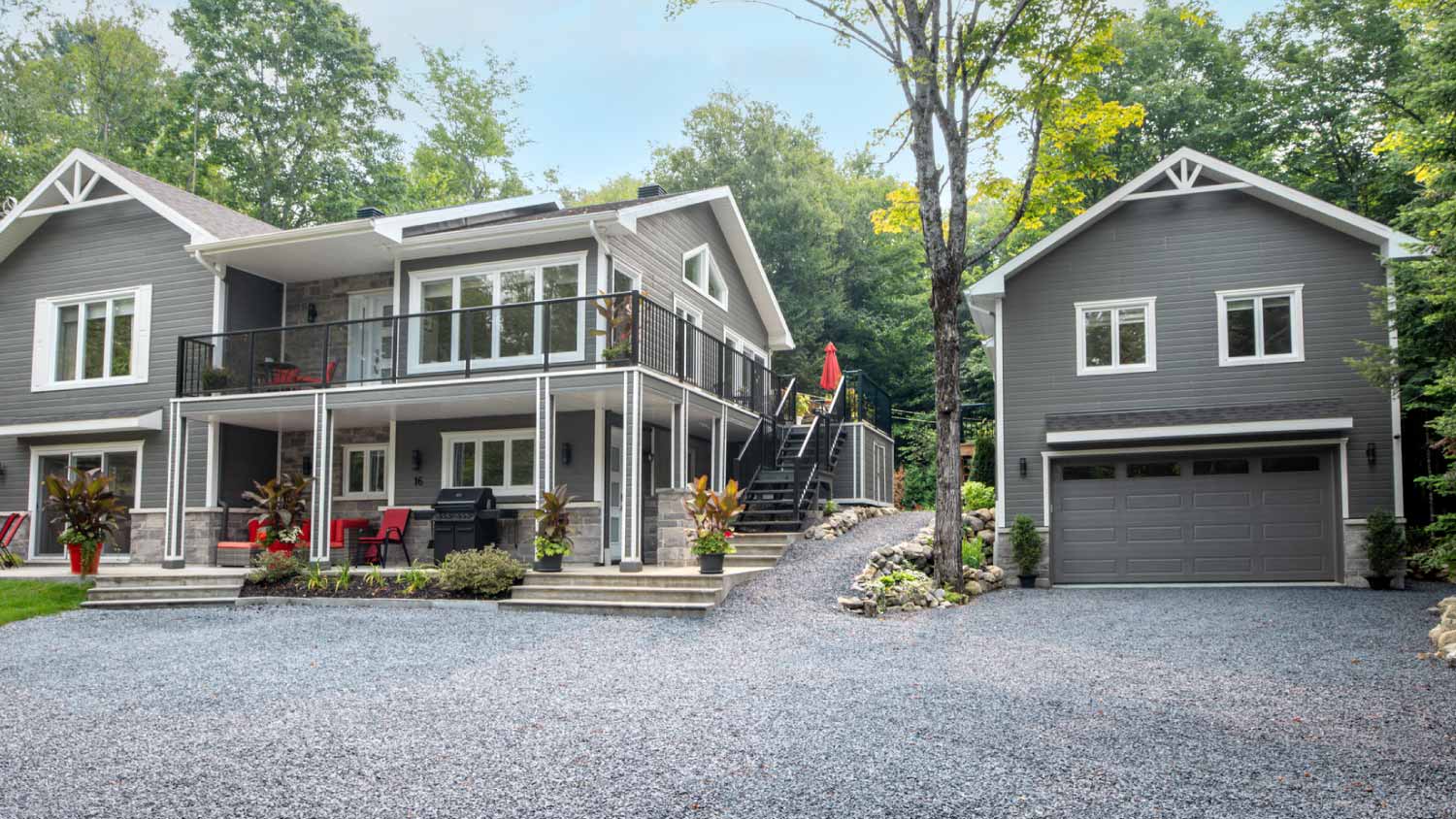
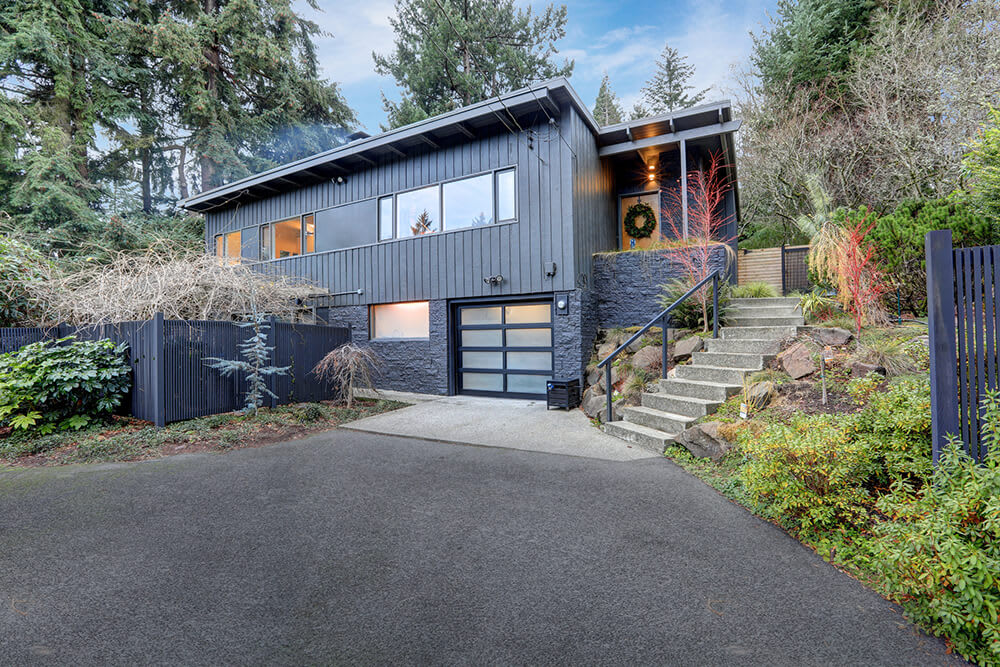
We are a locally owned and operated company that values honesty, integrity and treats your home as if it were our own. We offer a variety of general contractor services that are customizable to each individual project. You will find us to be competitively priced, paying close attention to the details of each and every project that we are involved with. We look forward to building lasting relationships and guarantee your satisfaction!
Driveway Sealcoating questions, answered by experts
No. You cannot use asphalt products on concrete driveways. To seal a concrete driveway, use acrylic, epoxy, polyurethane, silane, siloxane, and silicate sealers or deep penetration sealers made specifically for concrete. Meanwhile, asphalt sealers contain refined coal tar (asphalt emulsion), water, sand, clay, polymers, and additives and are incompatible with concrete’s surface texture and higher density.
Like all driveway materials, asphalt can crack in the wrong conditions and with age. Many things can cause asphalt to crack, including shifting soil or settling under the foundation. Other common causes are driving oversized vehicles on the asphalt, tree roots, and using rock salt during the snowy season. Proper installation and sealing the driveway every 10 years can help prevent cracks.
Costs depend on the extent of damage, material costs, labor, and whether resurfacing is needed.
You should always power wash your driveway before applying a sealant. At any given time, your driveway could be covered with algae and moss, tire residue, oil and rust stains, and any combination of leaves, twigs, and dirt. If you skip power washing, you’ll be trapping the dirt and grime beneath the sealant and lowering its chance of cementing itself to your driveway. While you can expect the cost to pressure wash your driveway to average between $100 and $350, the few hundred dollars beats an unattractive driveway or paying extra to reapply your driveway sealer.
Regular sealing, drainage management, and debris removal help prevent asphalt deterioration, protecting and extending surface life.
The Mclaughlin, SD homeowners’ guide to driveway sealcoating
From average costs to expert advice, get all the answers you need to get your job done.
The cost of a tar and chip driveway falls between gravel and asphalt. Is this unique process the happy medium you've been looking for? Let's take a look.
The average driveway coating takes between 30 minutes and eight hours to dry, but weather and sealant type can influence the dry time. Read on to learn more.