
Top-rated solar panel pros.

Best solar panel pros near Williamston, SC

Enter your zip and get matched with up to 5 pros

Need a pro for your solar panel service project in Williamston, SC?

Select your specific project to find the pro for you.

Top-Rated Solar panel pros in Williamston - Updated Nov 2026

...
Showing 1-10 of 57
Solar Panels FAQs, answered by experts

On average, a typical fridge uses 115 kWh per month. With eight hours of sunlight per day, a 100-watt solar panel can produce 30 kWh per month. This means you’ll need at least four dedicated panels to power the refrigerator with solar energy. Consult with a solar power specialist to get a more accurate estimate.
There are a few great questions to ask a solar contractor or inspector when you speak to them. You’ll probably want to find out about the energy yield and efficiency of your array, ensuring the actual output matches the amount you calculated when installing the array in the first place. It’s also a good idea to find out about any damage or wear and tear on the array and to inquire about how soon you need to make repairs or replacements to essential components.
The best solar panels to withstand hail are those rated UL 61730. These solar panels are certified to withstand hailstones up to 3 inches in diameter and travel at speeds up to 88 mph. IP68 solar panels are the next most resilient solar panel. Solar panels without these ratings can handle hail up to 1 inch in diameter that travels up to 50 miles per hour. If you live in an area with frequent or severe hailstorms, purchasing UL 61730 solar panels is often worth the investment.

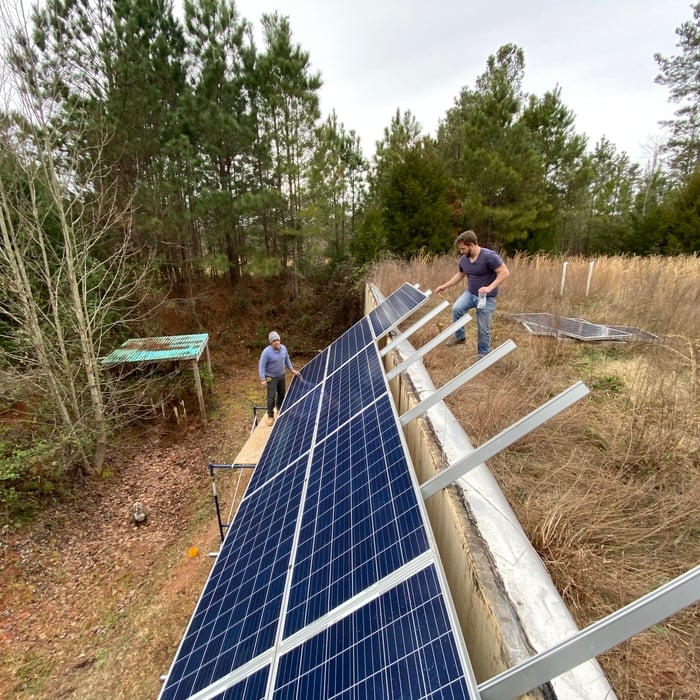
The best solar-panel mounting system will depend on your property layout, but you’ll typically want to try for south-facing panels to get the most sun. Roof mounting and wall mounting are both popular, but if your well setup is far away from buildings and other structures you can also set up a freestanding aluminum frame to mount your panels.

Although solar panels harness the sun's power, they come at an environmental cost. The manufacturing process requires large amounts of water and involves hazardous materials like cadmium, silicon, and gallium arsenide. These materials don’t pose safety hazards while the panels are in use but can pose a problem when left in landfills. Over time, hazardous materials can leach into the environment. This is why recycling solar panels whenever possible is better than taking them to landfills.

The Williamston, SC homeowners’ guide to solar panel services

From average costs to expert advice, get all the answers you need to get your job done.