


Top-rated masons.

Best masons near Varnville, SC

Enter your zip and get matched with up to 5 pros

Need a pro for your masonry work project in Varnville, SC?

Select your specific project to find the pro for you.

Top-Rated Masons in Varnville - Updated Nov 2026

Avatar for Do It All Concrete & Masonry, LLC
Do It All Concrete & Masonry, LLC
4.9(
10
)
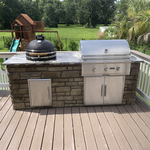
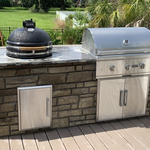
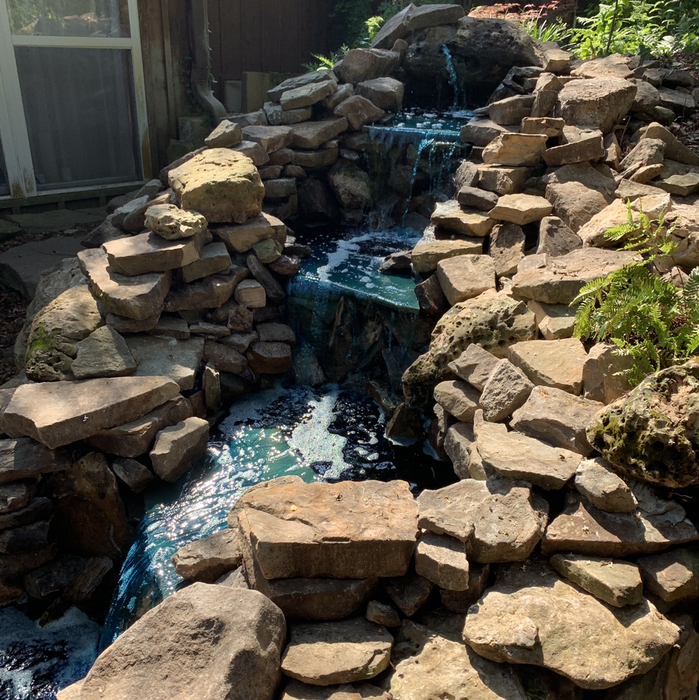
Brick and Stone Patios, Walks, and Steps - Install

Serving Varnville, SC and surrounding areas

Approved

In business since 2010

Free estimates

Emergency services offered

"William was courteous, professional and very fairly priced. Iâ m very happy with the work and would refer him and hire him again for any other concrete projects. This was a small service yard project and it turned out great."
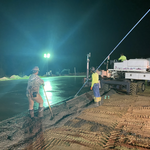
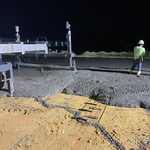
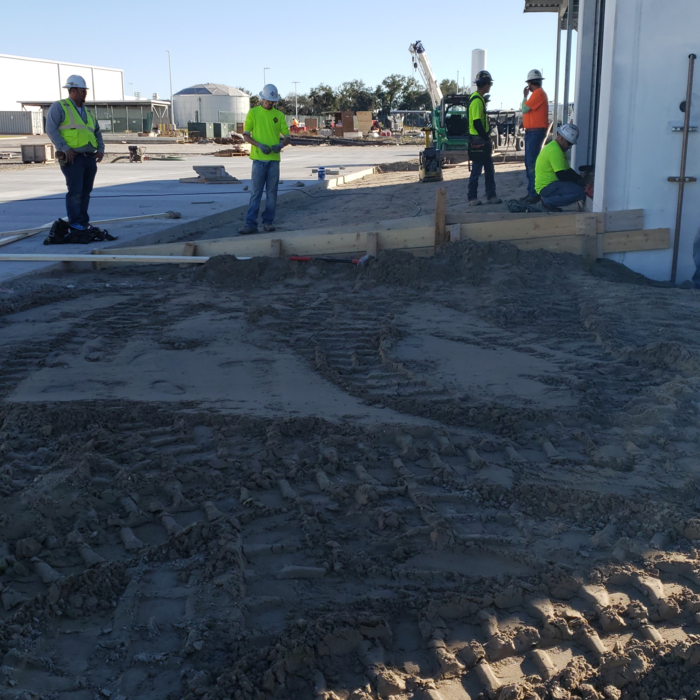
Our work
Our work
Our work
Our work
Our work

+66

Response time1 day
Response rate95%
9 neighbors recently requested a quote

Avatar for Groundworks
Groundworks
4.6(
917
)
Concrete Foundation - RaiseBasement Drainage Channels - InstallBasement Drainage Channels - Repair+2 more

Serving Varnville, SC and surrounding areas

Approved (Corporate)

In business since 1993

Free estimates

Small jobs welcome

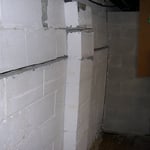
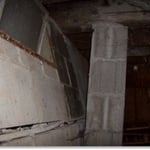
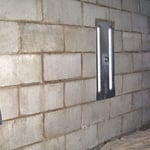
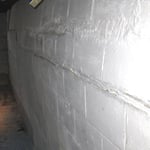
Groundworks is the North America's leading and fastest-growing foundation repair and water management solutions provider. Groundworks is a vertically integrated company with its own manufacturing operations and a world-class software solution, allowing us to serve our customers more effectively. From the first phone call to the annual maintenance offered, our customers have peace of mind knowing we're there with one mission to repair, protect and improve their home. For state licenses visit Groundworks.com/licensing

Basement
Basement
Basement
Concrete
Concrete

+13

4 neighbors recently requested a quote

Recommended by93%of homeowners
...
Showing 1-10 of 62
Masonry FAQs, answered by experts

When painting brick, each application method has distinct advantages and disadvantages. Spraying is significantly faster but may not penetrate deeply beyond the surface layer. Rolling is effective for working paint into the brick's texture but can be less effective on mortar joints. If you opt for a roller, choose a thick nap of at least a half-inch to ensure paint gets into all the crevices for even coverage. Using a brush is generally not recommended as it is very time-consuming and provides poor surface penetration. Ultimately, a combination of spraying followed by back-rolling is often the best strategy for a durable and even finish.

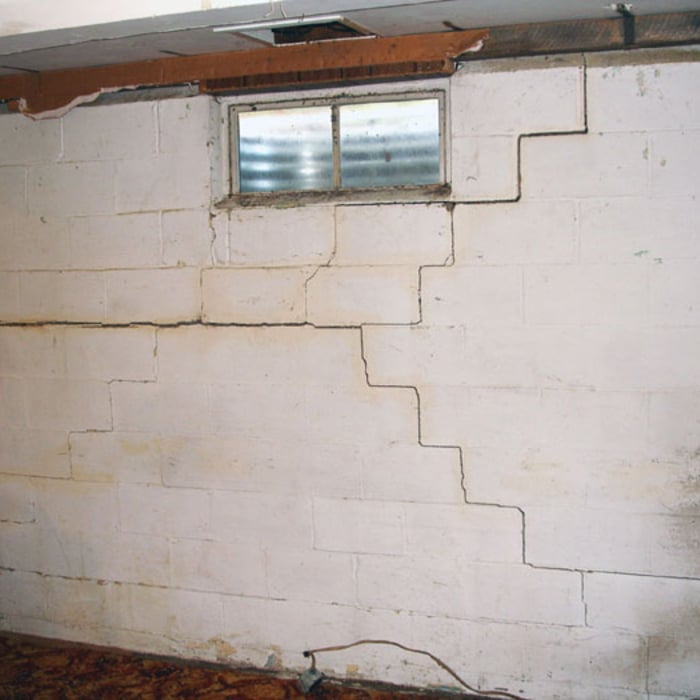
You should worry about brick wall cracks when they are wide and growing, or in a horizontal or stair-step pattern. Additionally, they may be accompanied by other signs of structural stress. In these cases, a foundation specialist should inspect your home.

While painting can certainly change the look of a chimney, you should think twice about giving your brick chimney the old landlord special.

Painting brick is porous, meaning it’s full of tiny holes that can soak up moisture. Those holes also allow it to dry, though. So, when you paint it, you trap any moisture inside, providing an opportunity for mold, mildew, and water damage.

Paint also shows wear faster than naked brick. This means that once you paint a brick surface, you’ll have to keep painting it to maintain a clean look. A paint job is also harder to undo on brick because of its porous nature. Once you paint it, it’s hard to go back without some serious power washing—another added cost.

To stain brick, you should use a product specifically formulated for brick, concrete, or other masonry surfaces. These stains are designed to penetrate the porous surface of the brick and bond with it. This is different from paint, which sits on the surface and is prone to peeling, flaking, and trapping moisture that can cause damage. Water-based brick stains are often recommended because they are easy to apply, even for DIYers, and they allow the brick to breathe. Avoid using regular paint on brick, as it will not adhere properly and can lead to future maintenance problems.

Drilling into brick or mortar requires the use of a masonry drill bit. Masonry drill bits appear similar to standard drill bits except for the leading tip of the bit. The tip has a bulky carbide arrow-shaped end slightly larger than the rest of the bit shaft. Standard or high-speed drill bits designed for making holes in wood or metal don’t have the ruggedness or design shape you need to drill into brick. They may not go through the brick at all, and if they do, they’re more likely to overheat, crack, or dull before you finish drilling.

The Varnville, SC homeowners’ guide to masonry services

From average costs to expert advice, get all the answers you need to get your job done.