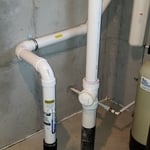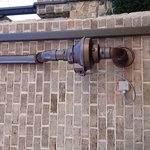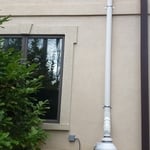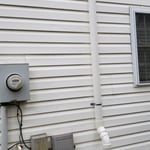



Top-rated radon detection and reduction specialists.

Get matched with top radon detection and reduction specialists in Swansea, SC

Enter your zip and get matched with up to 5 pros

Need a pro for your radon detection and reduction project in Swansea, SC?

Select your specific project to find the pro for you.

Find Radon detection and reduction specialists in Swansea

Avatar for All American Environmental Services, LLC
All American Environmental Services, LLC
5.0(
198
)
Radon Gas - Abatement

Serving Swansea, SC and surrounding areas

Approved

Super Service Award Winner

In business since 2020

Free estimates

Emergency services offered

"Was called by this company regarding my concern for the level of radon gas in our home. They went above and beyond to help me with suggestions on what to do and through test kits I purchased online, I determined we had be very little radon gas. Although I didnâ t need their services they were beyond helpful!"
Radon Mitigation System

+4

Response time7 hrs
59 neighbors recently requested a quote
Recommended by92%of homeowners
Avatar for SWAT Environmental, Inc.
SWAT Environmental, Inc.
4.8(
10
)
Radon Gas - Abatement

Serving Swansea, SC and surrounding areas

In business since 2002

Free estimates

Credit card accepted

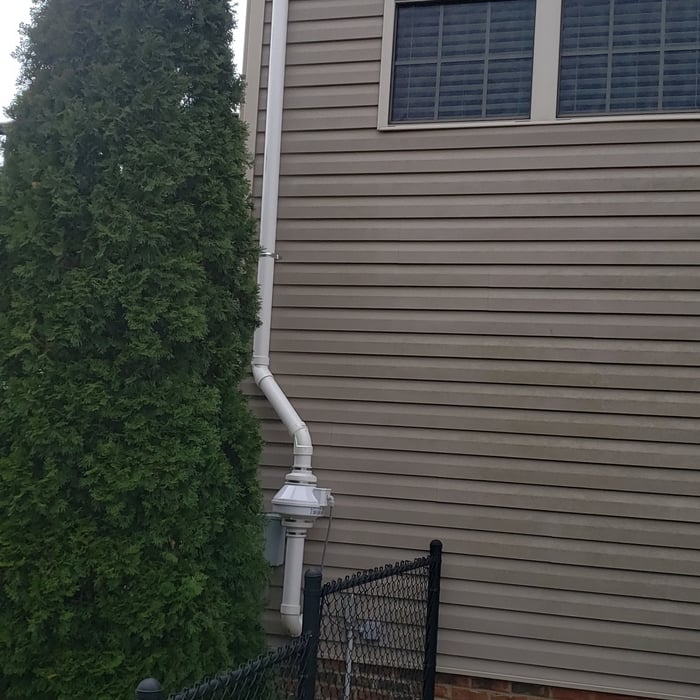
"Had them come out to install a Radon Mitigation Fan. Service was fast and the installer was extremely knowledgable. He was in an out within an hour and the radon dropped from a 4 to a 0.59! Extremely happy with the result. Price wasn't cheap by any means but definitely fixed our problem."
Recommended by100%of homeowners
Avatar for Summit Engineering, Laboratory & Testing, P.C
Summit Engineering, Laboratory & Testing, P.C
4.0(
7
)
Radon Gas - Testing

Serving Swansea, SC and surrounding areas

In business since 2003

Emergency services offered

Credit card accepted

With years of experience serving the area, we are your solution for all your environmental contracting, engineering, testing and oversight needs. We take great pride in our extreme professionalism, timeliness and superior customer service on every job. We make sure to develop a lasting relationship, so that the next time service is needed there will be no question who to call. Call us today, so we can discuss your needs and make a plan that fits your budget. Satisfaction guaranteed!

Response time1 day
Response rate90%
Recommended by100%of homeowners
Radon Detection and Reduction questions, answered by experts

No level of radon is technically safe, but since it is naturally present everywhere, it is impossible to avoid entirely. The average radon level in homes across the United States is 1.3 picocuries per liter (pCi/L). The Environmental Protection Agency (EPA) recommends taking action to reduce radon levels if your home's test results are between 2 and 4 pCi/L or higher.

Your radon mitigation system may be loud because it’s time to replace it. Any sounds are usually from the inline fan that helps create the vacuum and resulting airflow. If you hear a new, loud mechanical or humming noise from your radon fan, it might be time to replace it. Most fans used in radon mitigation systems last up to 10 years, but may need to be replaced sooner.

Options include sub-slab depressurization, crawlspace ventilation, and sealing cracks. Choose based on home construction and radon levels.

The lifespan of a radon mitigation system depends on the type of system and its maintenance. With proper care, a system can last for many decades. Passive systems tend to last longer as they have fewer components that require replacement. Active systems, which have more moving parts like fans, generally have a shorter lifespan. For instance, water filtration devices and active pressurization systems require more frequent maintenance. While the system as a whole is durable, the radon fan in an active system typically has a lifespan of 5 to 10 years and will need to be replaced. As long as the fan is working, the mitigation system should function correctly.

Radon enters your home when warm air begins to rise and exits through the roof, creating a vacuum that pulls cooler air from under the foundation. Part of that air is radon, which is an invisible, odorless gas that develops naturally when radioactive particles are deep within the ground. Those particles usually come from decaying matter in soil and rocks.

The Swansea, SC homeowners’ guide to radon detection and reduction services

From average costs to expert advice, get all the answers you need to get your job done.