


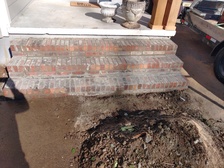
Top-rated concrete resurfacing pros.

Get matched with top concrete resurfacing pros in Sheldon, SC

Enter your zip and get matched with up to 5 pros

Need a pro for your concrete resurfacing project in Sheldon, SC?

Select your specific project to find the pro for you.

TRUSTED BY SHELDON, SC HOMEOWNERS

  • Average homeowner rating star icon4.6
    Average homeowner rating
  • Verified reviews icon22
    Verified concrete resurfacing reviews

Find Concrete resurfacing pros in Sheldon

M & M Concrete Services
4.3(
4
)
Concrete Flatwork - Repair & ResurfaceConcrete Flatwork - Repair & Resurface- For Business

Serving Sheldon, SC and surrounding areas

Approved

In business since 1997

Customers say: Quality work

"It went fine. He responded promptly and did a good job. Then I paid, and I never saw him again--and he still needed to clean up and finish, taking apart the brackets around the area where the concrete was poured, cleaning up the roots they'd chopped up, and so on. When I called about it, he said he'd be over, but when the time came, he said was in the area, but couldn't find my house. After calling back and forth, he said he still couldn't find it, (keep in mind they'd been here several times already doing the job) and said he'd get back to me, and he didn't. I texted him a map, photos of the house, the street sign nearby, but nothing for almost a week. Then I got another call saying they'd be over "today or tomorrow," and that was a week ago and the last I've heard."
9 neighbors recently requested a quote
Recommended by50%of homeowners

Showing 1-10 of 25
Concrete Resurfacing questions, answered by experts

How often you should resurface your pool deck depends on its material and condition. Concrete pool decks should be resurfaced every two to five years. Decks that are exposed to harsh heat and UV light may need to be sealed more often than ones that are mostly shaded.

Sealing resurfaced concrete is not an absolute necessity. However, it is recommended, and in most cases, a high-quality concrete sealer can protect the surface from stains as well as water penetration, extending the life of the resurfacing material. Some sealers are formulated to protect pigments from fading due to UV exposure. Sealer tends to enhance the colors in decorative resurfacing applications, making them more vibrant and richer compared to the duller, more faded appearance of concrete colors without sealer.

Regularly inspecting your foundation—at least the visible sections—for signs of foundation issues like moisture and pest infestation is a good way to identify slab leaks early, as is keeping an eye and ear out for water damage to indoor building materials, above-average water bills, sounds of running water when no fixtures or appliances are on, and indoor humidity that causes the temperatures to feel more extreme. If you do find any issues, contact a plumber right away to check it out for you.

Like all concrete, pervious concrete is susceptible to cracking due to expansion and contraction from freezing and thawing or heavy weight. Pervious concrete, however, is less likely to crack due to moisture intrusion than traditional concrete since pervious concrete is designed to drain and hold water in the material’s voids.

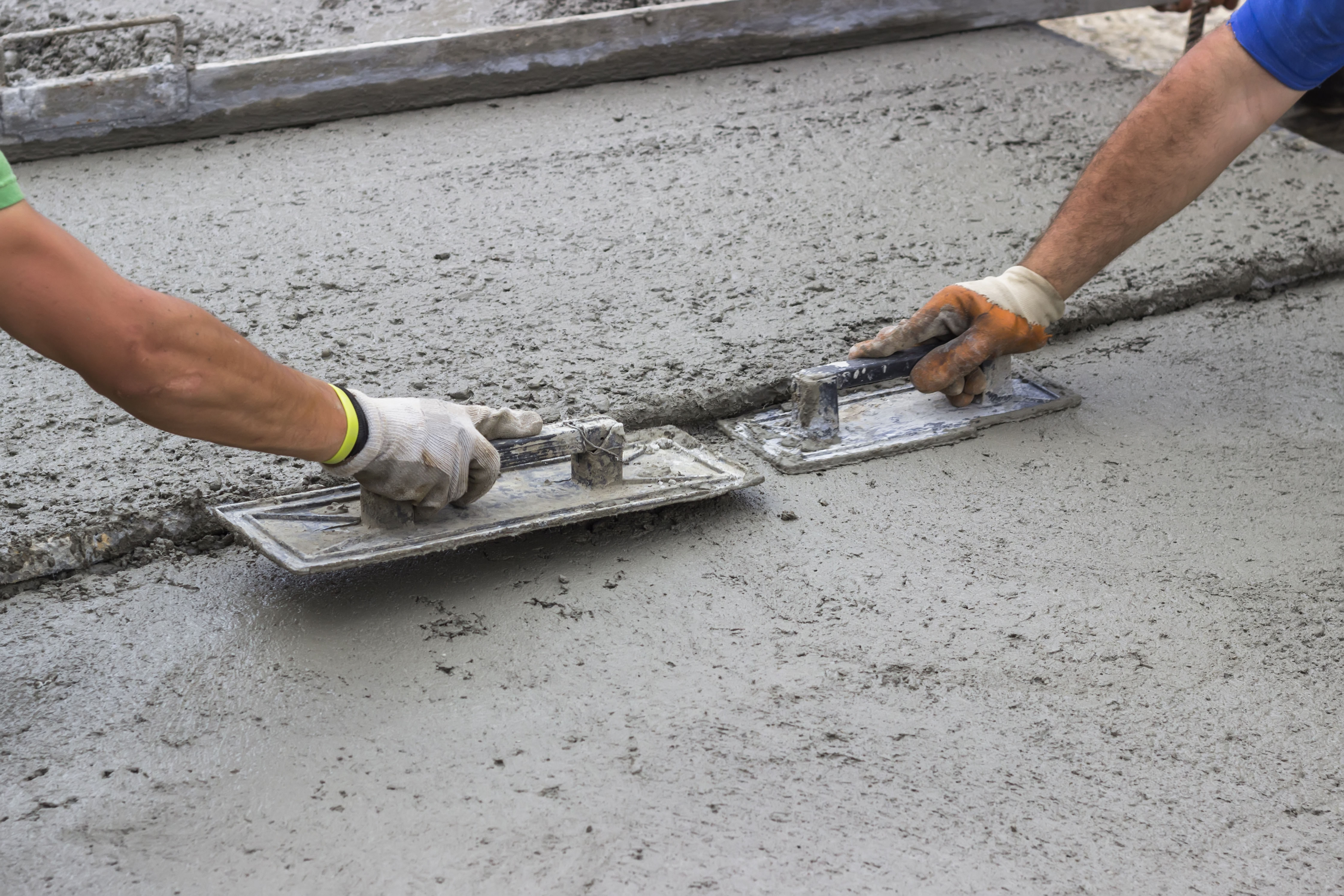
Mix the resurfacer into a sticky mixture. The consistency should look like mashed potatoes. Use a squeegee to push the resurfacer across the pitted area and smoothen the surface with a cement trowel flush. Make sure you protect any expansion joints with a weather strip. Alternatively, cut out any resurfacer that touched the joint once the mixture begins to harden.

The Sheldon, SC homeowners’ guide to concrete resurfacing

From average costs to expert advice, get all the answers you need to get your job done.