

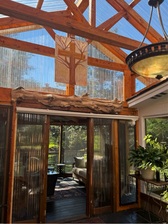



Top-rated deck repair pros.

Get matched with top deck repair pros in Huger, SC

Enter your zip and get matched with up to 5 pros

Need a pro for your deck repair project in Huger, SC?

Select your specific project to find the pro for you.

TRUSTED BY HUGER, SC HOMEOWNERS

  • Average homeowner rating star icon4.5
    Average homeowner rating
  • Verified reviews icon141
    Verified deck repair services reviews

Find Deck repair pros in Huger

Avatar for As You Like It Painting
As You Like It Painting
4.0(
166
)
Deck or Porch - RepairDeck or Porch - Repair - For Business

Serving Huger, SC and surrounding areas

In business since 2008

Free estimates

"We only asked for the front of our house to be painted, and the painter finished quickly and did it well. Instead of leaving and collecting the fixed fee, he offered to paint the sides of our home for free which was unexpected and very appreciated."
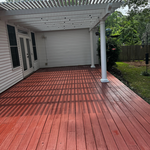
Additional Photos
Additional Photos
Additional Photos
Additional Photos
Additional Photos

+4

Recommended by80%of homeowners
...
Showing 1-10 of 111
Deck Repair questions, answered by experts

Ideally, a gate should be able to swing both in and out. However, if it can only open in one direction, it is generally best for it to swing inward. This is often the safest option, especially for deck gates near steps, as you'll want the gate to swing away from the stairs. An inward swing also prevents the gate from opening into a public space, like a sidewalk, and can be more convenient when carrying heavy items like a wheelbarrow into a garden.

There are exceptions, however. The layout of your property may require a different approach. For example, if your property is on a slope, the gate may not be able to swing inward. You should also ensure the gate can open fully without colliding with any objects or blocking access to other areas. For a backyard garden gate where public access isn't a concern, the direction it swings is largely a matter of personal preference. Finally, always check your local building codes, as they may have specific requirements for which way a gate must swing.

You do not have to dig footers for a deck as long as it meets local code and holds up to weather in your area. If you live somewhere that experiences high winds and earthquakes, you may need to dig for your deck posts. Deck blocks, post anchors with base plates, and helical pile systems are the three no-dig deck post options you can choose from if local code permits.
DIY staining or painting is manageable with proper preparation, including safety measures, necessary tools, and adherence to safe weather conditions for application.

Because adding a deck will yield a higher property value, you may have higher insurance costs. It’s important to follow the codes and regulations set by your local and state governments, so your insurance rates can be properly calculated. You may need an insurance revaluation after your deck is completed. The best course of action is to speak with an insurance professional to understand how adding a deck will impact your home’s insurance costs before you begin.

Staining and sealing the underside of a deck creates a moisture barrier but traps water in the boards, quickly leading to rot. No matter how well you seal the above deck, water still gets through via nails and screw heads on the surface. Allow this water to flow naturally under the deck, where it is routed through the drainage system.

The Huger, SC homeowners’ guide to deck repair services

From average costs to expert advice, get all the answers you need to get your job done.