








Top-rated ceiling fan pros.

Get matched with top ceiling fan pros in Huger, SC

Enter your zip and get matched with up to 5 pros

Need a pro for your ceiling fan service project in Huger, SC?

Select your specific project to find the pro for you.

TRUSTED BY HUGER, SC HOMEOWNERS

  • Average homeowner rating star icon4.6
    Average homeowner rating
  • Verified reviews icon106
    Verified ceiling fan services reviews

Find Ceiling fan pros in Huger

Avatar for Precision Electric
Precision Electric
4.5(
70
)
Ceiling Fan - InstallCeiling Fan - Repair

Serving Huger, SC and surrounding areas

In business since 2000

"Victor with Precision Electric was very professional and extremely knowledgeable of his trade. He did an excellent job installing our ceiling fan and a doorbell. We would definitely use him again for any future electrical jobs we might have. We highly recommend him!"
Recommended by96%of homeowners

...
Showing 1-10 of 55
Ceiling Fans questions, answered by experts

Stainless steel or aluminum fans are long-lasting and have less air resistance. They are best for outdoor use as their durability helps them withstand unpleasant weather conditions. Their heavy weight requires a stronger motor, which leads to more noise than other blade materials.

Wooden fan blades are a classic, durable option. They are much quieter than metal fans and feature a wide range of styles and finishes to choose from. However, they can be damaged by moisture if not covered with plastic.

Plastic fan blades are lightweight, easy to clean, and versatile. There are various shapes and styles to choose from as plastic is easily molded and dyed. They will also deteriorate slower than other materials as they aren’t as susceptible to humidity and moisture.

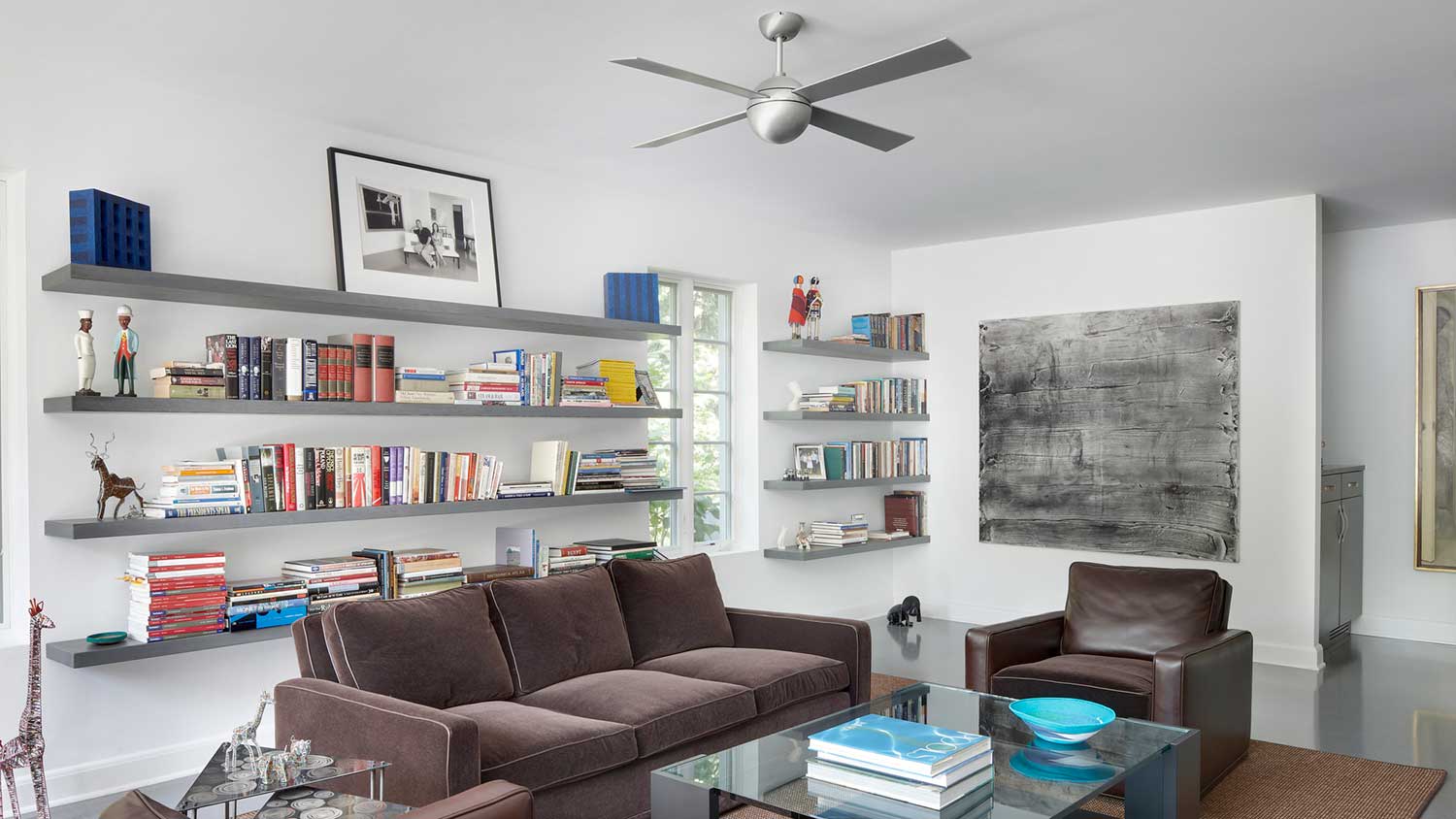
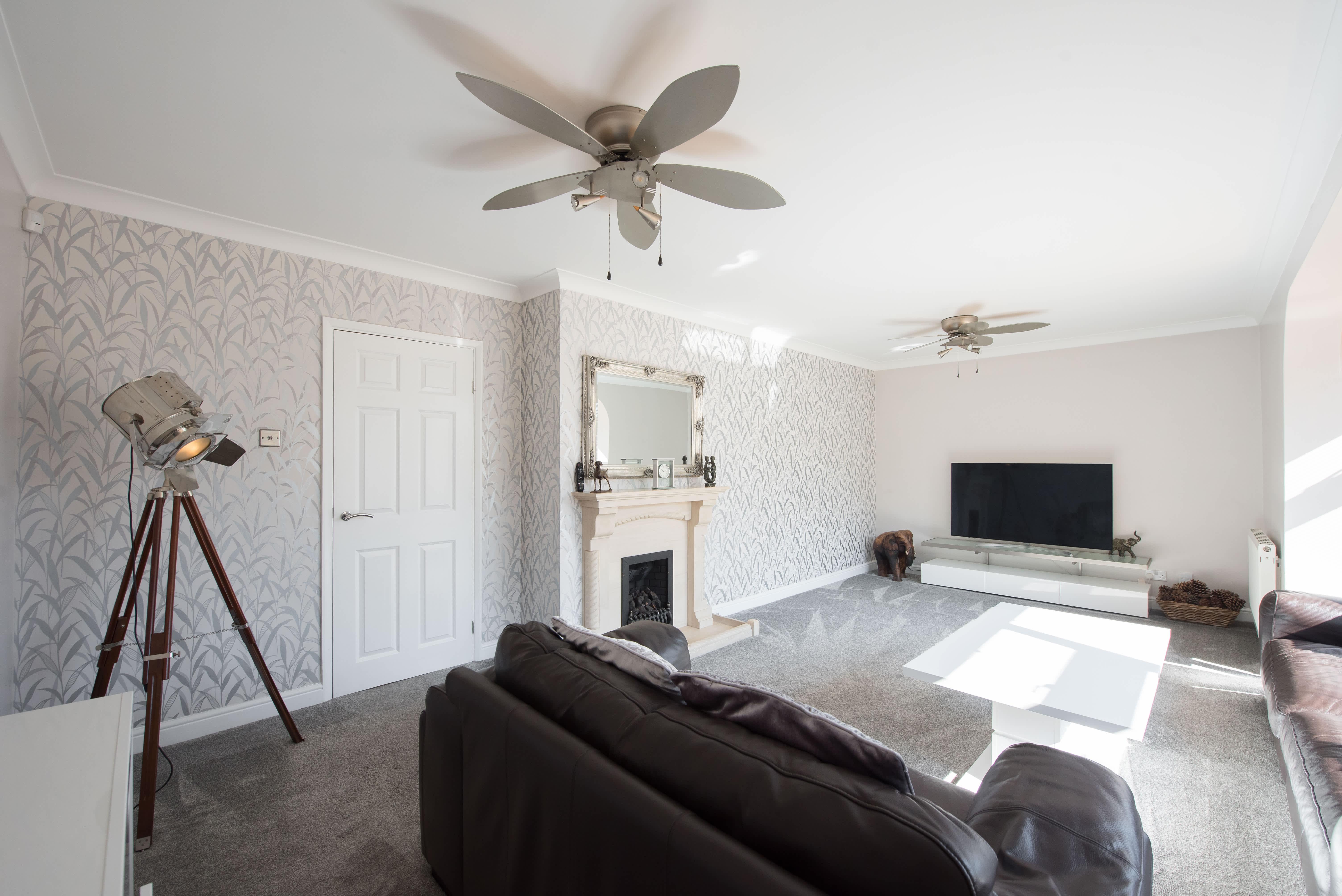
The number of blades for your fan poses both advantages and disadvantages. Typically, the more blades on a fan, the better the air distribution and cooling effect, but this also means that your fan will have more wear on its motor. For small rooms, three-blade fans should work fine. For larger areas like living rooms, four or five-blade fans might be the better option. 

Coffered ceilings often come with additional embellishments and accessories, including tin panels, medallions, trim, molding, recessed lights, and finials. Whether you’re looking for a simple grid pattern or want an elaborate, decorative ceiling with all the bells and whistles, there are plenty of options to choose from.

If you’re replacing an old fixture with a ceiling fan, you usually won’t need a permit, but if your electrician runs new wiring for the fixture, you likely will need a permit. Building permits are necessary in most municipalities if you’re making changes to your electrical system, so even if you have partial wiring run to the area and need new wiring installed for added functionality, you’ll probably need a permit. Your electrician should be able to let you know if you need one, and they’ll typically file the paperwork for you.

Generally, a ceiling fan should be mounted at least seven feet from the floor in the center of your room with a wall clearance of around 18 inches. If your ceiling is more than eight feet high, it’s recommended by experts that the ceiling fan be mounted around eight to nine feet from the ground. This helps ensure a better quality of circulated airflow.

The Huger, SC homeowners’ guide to ceiling fan services

From average costs to expert advice, get all the answers you need to get your job done.