





Top-rated radon detection and reduction specialists.

Get matched with top radon detection and reduction specialists in Gaffney, SC

Enter your zip and get matched with up to 5 pros

Need a pro for your radon detection and reduction project in Gaffney, SC?

Select your specific project to find the pro for you.

Find Radon detection and reduction specialists in Gaffney

Avatar for Radon Control Products
Radon Control Products
5.0(
9
)

Serving Gaffney, SC and surrounding areas

In business since 1997

Free estimates

Emergency services offered

"So very helpful on the phone. Told me my pressure indicator oil had just evaporated a little. Walked me through checking it, told me everything was as it should be and saved me a service call. When the fan goes out, I’ll definitely call this company for replacement."
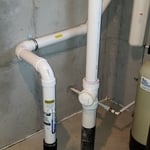
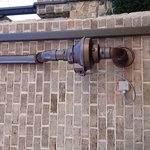
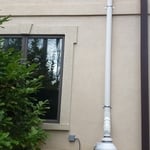
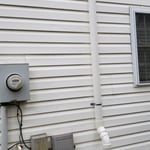
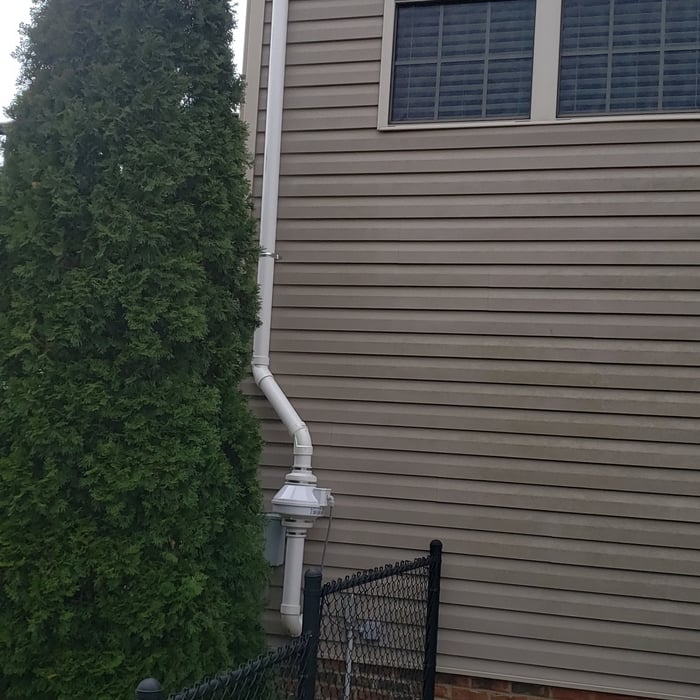
Additional Photos
Additional Photos
Additional Photos
Additional Photos
Additional Photos

+1

1 neighbors recently requested a quote
Recommended by83%of homeowners
Avatar for Enviropros Green Team, LLC
Enviropros Green Team, LLC
5.0(
6
)

Serving Gaffney, SC and surrounding areas

In business since 2019

Free estimates

Enviropros Green Team, LLC is a locally owned and operated company that values honesty and integrity and treats your home as if it were our own. You will find us to be competitively priced while still paying close attention to the details of each and every project we are involved with. We look forward to building lasting relationships and guarantee your satisfaction. Give us a call today to get your project started.

Response time9 hrs
Recommended by100%of homeowners

Showing 1-10 of 13
Radon Detection and Reduction questions, answered by experts

You'll need to test your home for radon after installing the mitigation system, then again every two years. If radon remains elevated, contact a licensed radon professional, either the contractor who installed the system or a different one, and have them evaluate the system. They may need to make some changes to improve its effectiveness and performance.

The soil beneath your house is most likely what’s causing an increased level of radon. This is because soil holds radioactivity for a long time and it’s also what most buildings are built on. Another common source of radon is water from a source that hasn’t been through periodic radon tests, such as well water. Over time, the radon from the soil can inhabit other parts of your house like the foundation or plumbing.

Your radon fan needs to operate 24/7 to be effective. The only time the fan isn't operating is during its replacement. Radon levels in the home can increase within hours if the fan stops working or something obstructs the stack vent. Fortunately, radon systems require no downtime maintenance between fan changes.

The average radon mitigation system uses about 876 kWh of electricity per year, although the exact amount of electricity used will vary depending on the size of the radon fan. Once the system is installed, the annual increase to your energy bill could range from $30 to $300 per year, again depending on the size of the fan.

No level of radon is technically safe, but since it is naturally present everywhere, it is impossible to avoid entirely. The average radon level in homes across the United States is 1.3 picocuries per liter (pCi/L). The Environmental Protection Agency (EPA) recommends taking action to reduce radon levels if your home's test results are between 2 and 4 pCi/L or higher.

The Gaffney, SC homeowners’ guide to radon detection and reduction services

From average costs to expert advice, get all the answers you need to get your job done.

What do you need done? We’ll find top pros.
  • 🌱 "Mow a small front yard"
  • 🛠 "Fix a leaking pipe under the sink"
  • 🏠 "Repair shingles on an asphalt roof"