


Blessed hands construction
Plaster - Repair - For Business
Serving Cross, SC and surrounding areas
Approved
I’m a multi crafted work I do it especially welding. I work very safely and I’m very respectful

 4.5
4.5  33
33 *The Angi rating for Plaster Repair companies in Cross, SC is a rating based on verified reviews from our community of homeowners who have used these pros to meet their Plaster Repair needs.
*The HomeAdvisor rating for Plaster Repair companies in Cross, SC is a rating based on verified reviews from our community of homeowners who have used these pros to meet their Plaster Repair needs.
Last update on June 16, 2026
Serving Cross, SC and surrounding areas
Approved
I’m a multi crafted work I do it especially welding. I work very safely and I’m very respectful
Serving Cross, SC and surrounding areas
In business since 2015
Free estimates
Credit card accepted
"Working with The Power Finish Drywall Experts was a great experience. Their team was timely, skilled, and delivered a flawless finish. I would gladly recommend their services!"
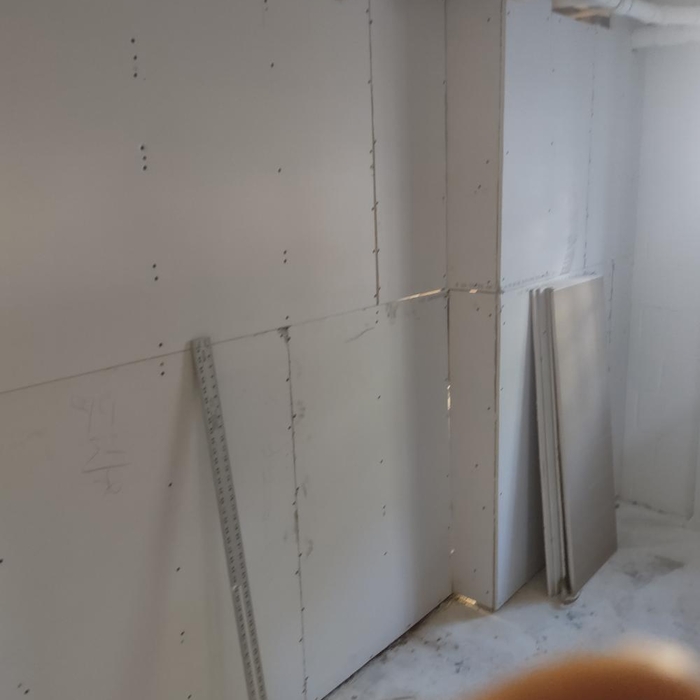
+5
Serving Cross, SC and surrounding areas
In business since 1979
Free estimates
Offers commercial services
With over 30 years, Harrison's Plastering Company is the solution for all your Plastering and Drywall needs. We take great pride in our extreme professionalism, timeliness and superior customer service on every job. We make sure to develop a lasting relationship so that the next time service is needed there will be no question on who to call. Satisfaction guaranteed!
Serving Cross, SC and surrounding areas
In business since 2014
Free estimates
Credit card accepted
With over 5 years of experience in the home improvement industry, Super Drywall LLC is your industry expert in Dorchester county and the surrounding areas. We pride ourselves on our extreme professionalism and attention to detail. Our customer satisfaction guarantee will assure you we will not leave your property until you are completely satisfied with our work. As a family owned and operated business you can trust that we will treat your home as we would treat our own. Give us a call today we look forward to working with you!
Serving Cross, SC and surrounding areas
In business since 2009
Free estimates
"Professional, great job, cleaned up perfectly"


+1
Serving Cross, SC and surrounding areas
In business since 2019
Free estimates
Credit card accepted
"He is really great working with people and very helpful!"
Serving Cross, SC and surrounding areas
In business since 2020
Free estimates
Offers commercial services
"Kevin has made my mobile home look new again. He's done several jobs for me now and all his work is very professional. Kevin is very kind and caring business owner and customer satisfaction is number one with him. Thanks again Kevin â ºï¸"

Serving Cross, SC and surrounding areas
In business since 2018
Free estimates
Credit card accepted
"Interior work: hanging pictures, fix drywall, move chandelier, upgrade fans to light fans, remove countertops, connect and disconnect plumbing, repair furniture, move electrical outlets, do other electrical work etc."
Serving Cross, SC and surrounding areas
In business since 2020
Free estimates
Credit card accepted
We are dedicated to providing our clients with the very best in painting, pressure washing and a variety of other projects. With over 20 years of combined experience, we take an enormous amount of pride in the attention of detail put into each of the projects we are involved in. We are known for our quality work and the integrity of our business practices. We look forward to building long-term relationships with our clients and guarantee your satisfaction. Call us today for a quote!
Serving Cross, SC and surrounding areas
In business since 2018
Free estimates
Offers commercial services
"Great people to work with honest on price & quality of work. Always easy to contact and schedule."
From average costs to expert advice, get all the answers you need to get your job done.
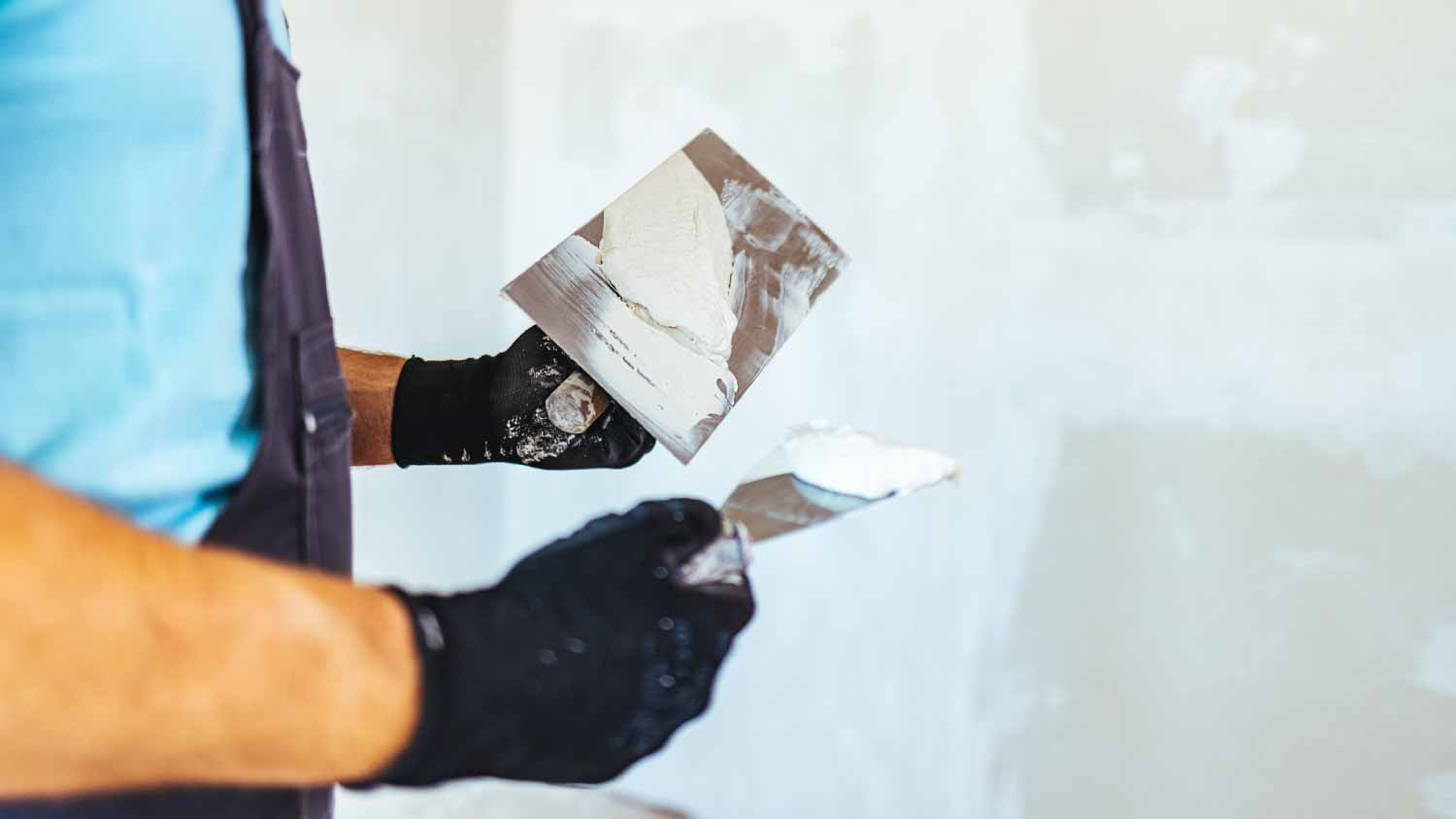
Plaster repair costs are determined by the size and type of damage. Discover why some fixes you can DIY and why some require a pro’s help.
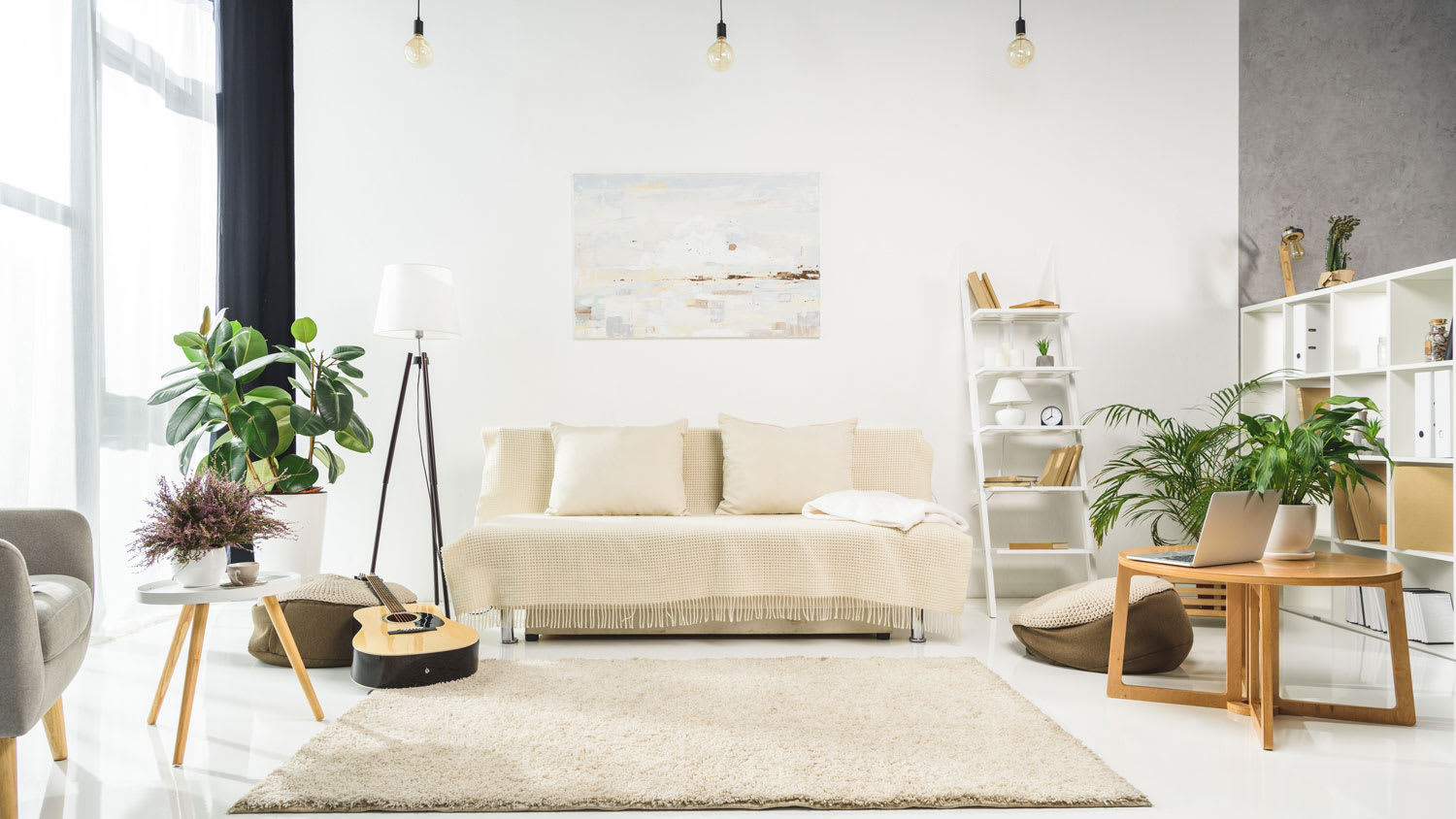
The cost of plastering walls and ceilings depends on the room size and ceiling height. Our tips can help you estimate an accurate cost.
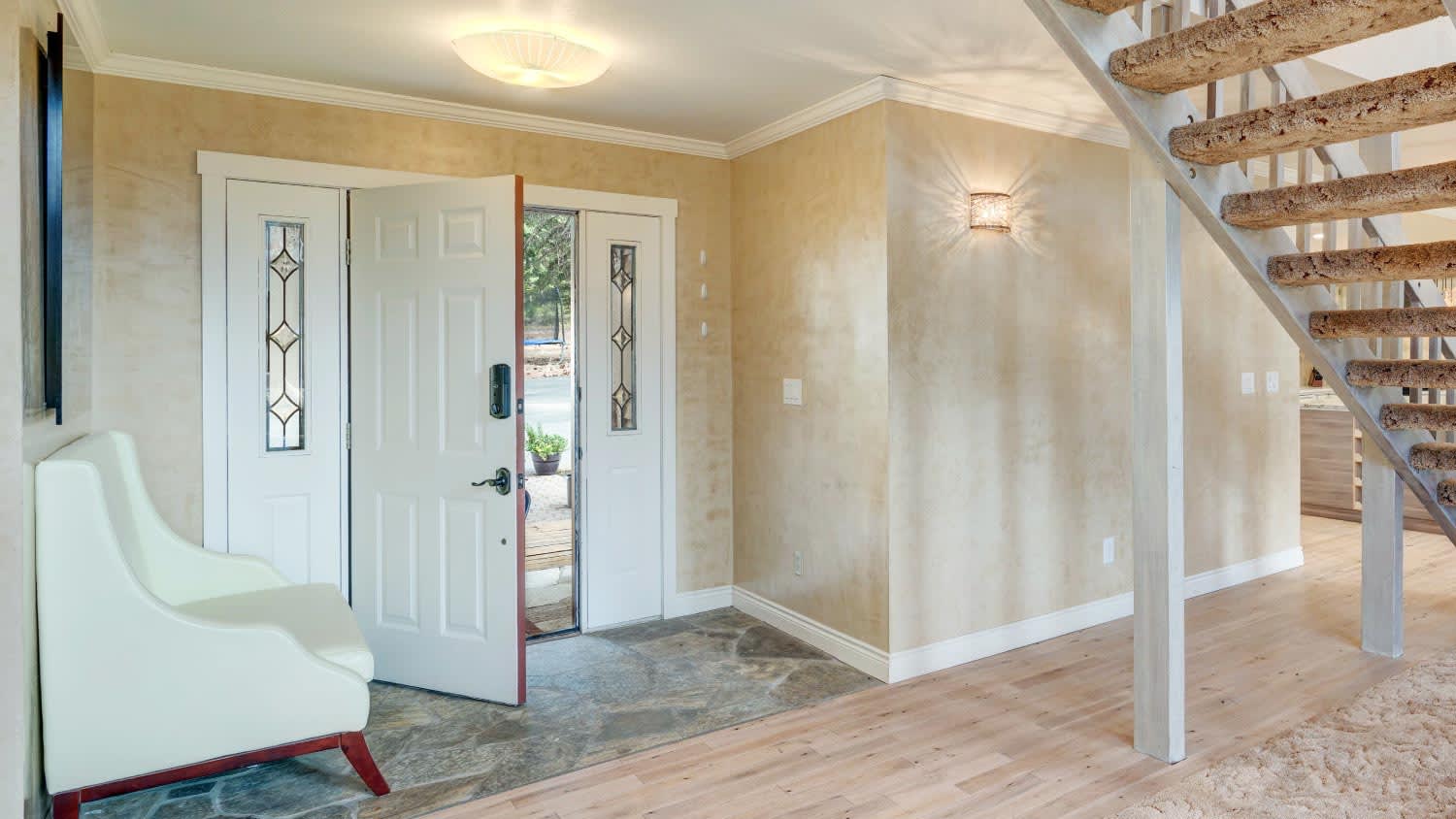
Venetian plaster can add depth and texture to your aesthetic. Learn how much Venetian plaster costs based on factors like square footage and whether you hire a pro to help.
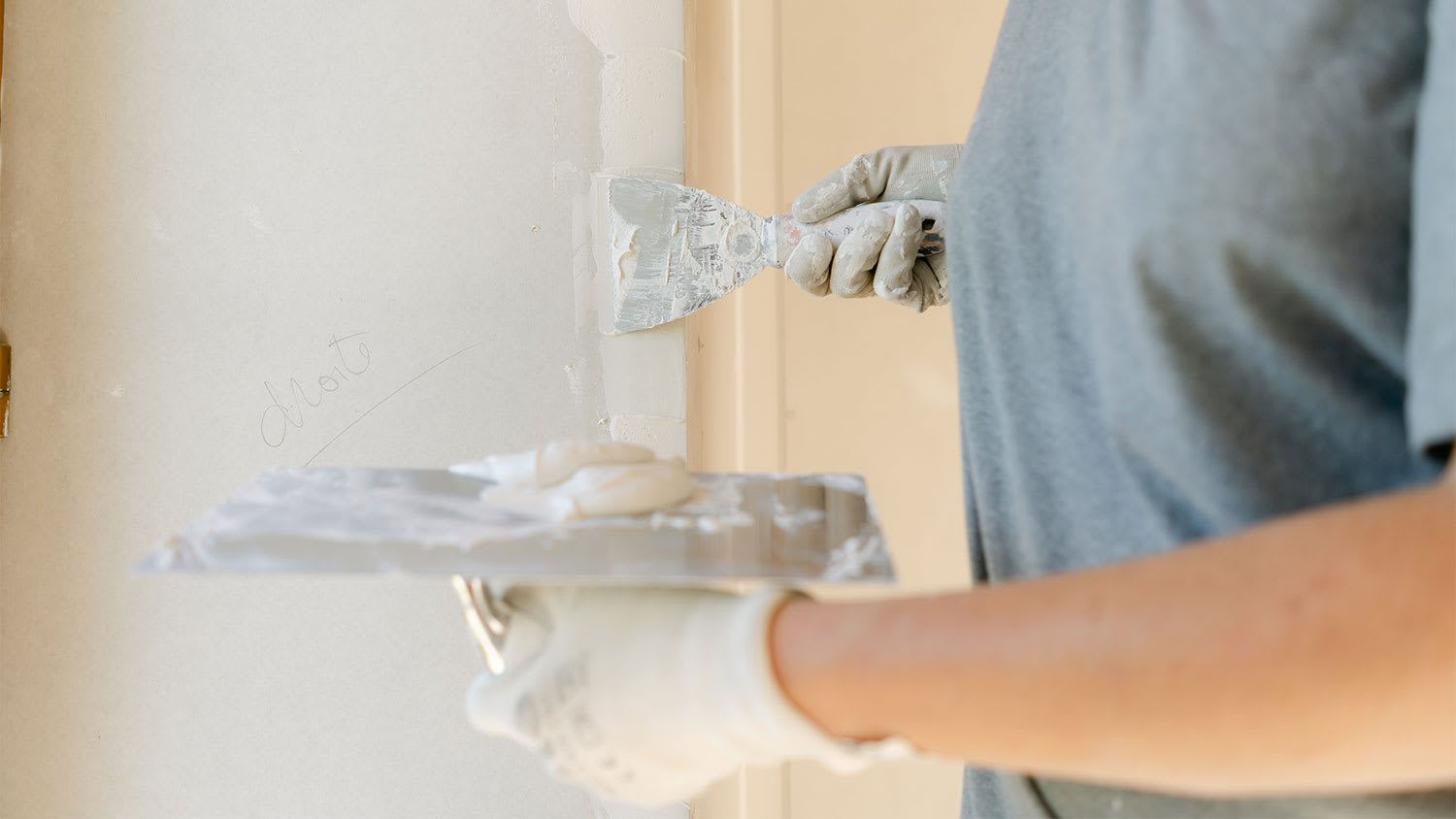
Finding a qualified plaster repair pro? Learn how to hire the right specialist, what questions to ask, and what to expect for your project.
Planning a plaster repair project? Learn about the process, average costs to expect, and how to hire the right local pro to restore your walls.
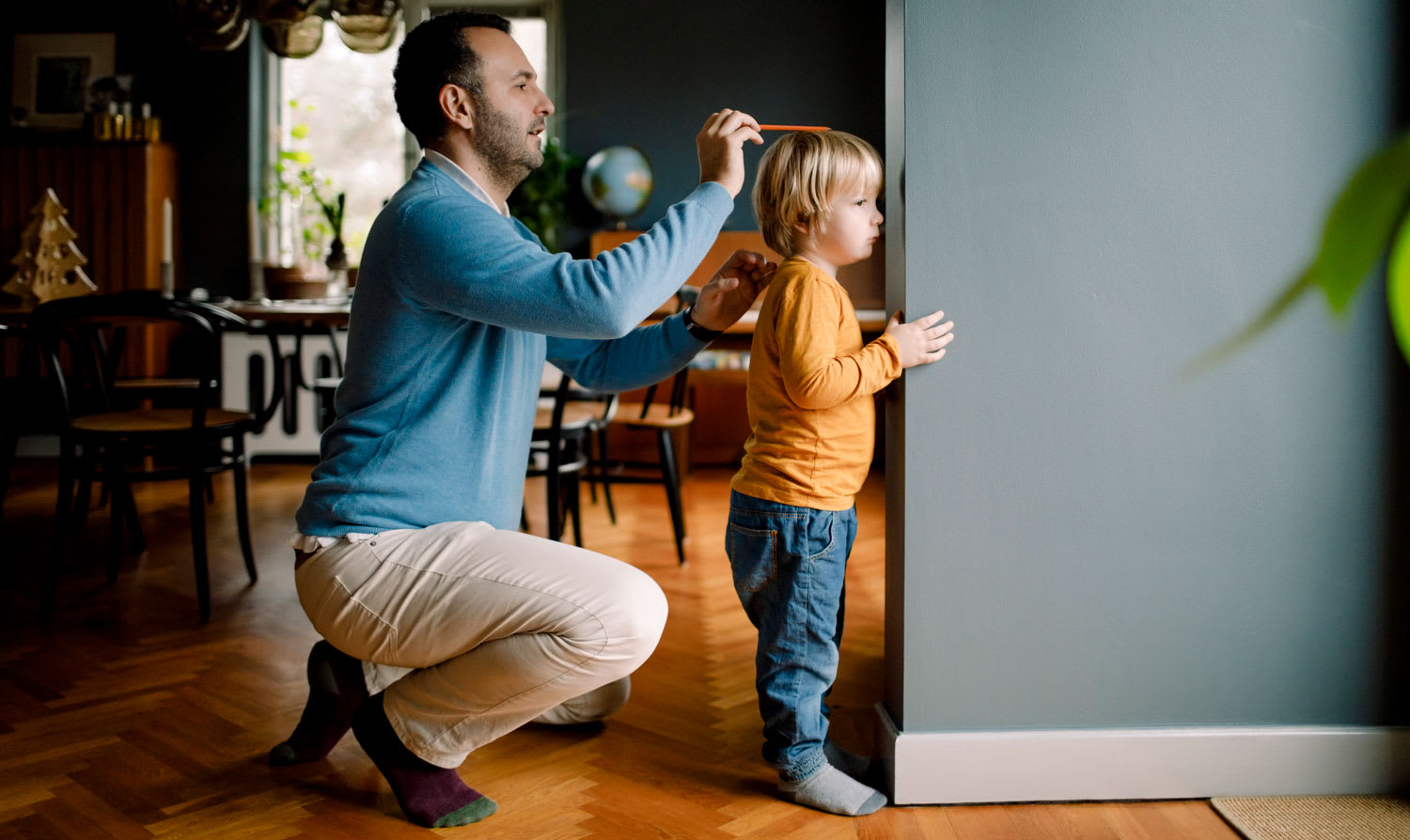
You can find plaster walls in a lot of older homes. What’s behind these walls—whether that’s lath or calcimine—can have an impact on how long they last. Finding out the age of your house can help you determine what you’re dealing with.