







Top-rated masons.

Best masons near Bishopville, SC

Enter your zip and get matched with up to 5 pros

Need a pro for your masonry work project in Bishopville, SC?

Select your specific project to find the pro for you.

Top-Rated Masons in Bishopville - Updated Nov 2026

Avatar for Ram Jack of South Carolina, Inc.
Ram Jack of South Carolina, Inc.
4.2(
18
)
Concrete Foundation - RaiseConcrete Foundation - Repair

Serving Bishopville, SC and surrounding areas

Approved

In business since 2016

Free estimates

Credit card accepted

"Chris and John showed up as scheduled and did a very thorough job of assessing the water incursion problem I have. In the end, it was a problem that Ram Jack does not repair, but they told me what probably should be done to fix it. I certainly appreciate the fine evaluation they did and their advice. As an extra bonus, they were very pleasant to deal with!"
Leaning Chimney
Preperation
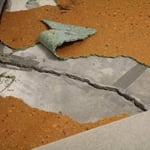
Cracked Slab
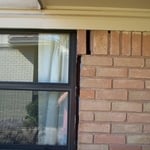
Cracks Around Window
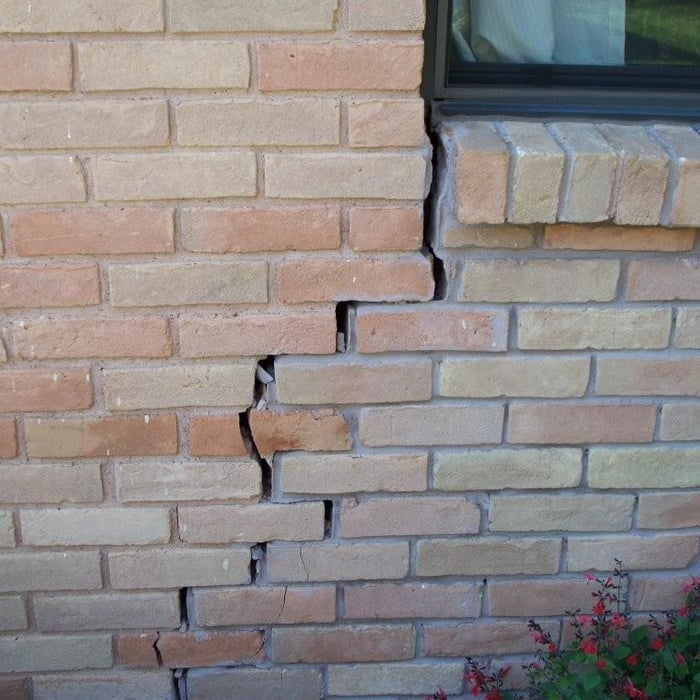
Cracks In Brick

+4

Response time1 day
Recommended by100%of homeowners

Avatar for Plyler and sons Pineneedles LLC
Plyler and sons Pineneedles LLC
New to Angi
Foundation Drainage - Install or Replace

Serving Bishopville, SC and surrounding areas

Approved

Free estimates

Emergency services offered

Small jobs welcome

We have been in the business for over 20 years doing Pinestraw and bush trimming. \n\nWe are hard working, and always take pride in our work. \n\nWe mow grass, do Pinestraw, mulch rock or whatever your preferred method is and try to be competitive on prices as well.

5 neighbors recently requested a quote
...
Showing 1-10 of 67
Masonry FAQs, answered by experts

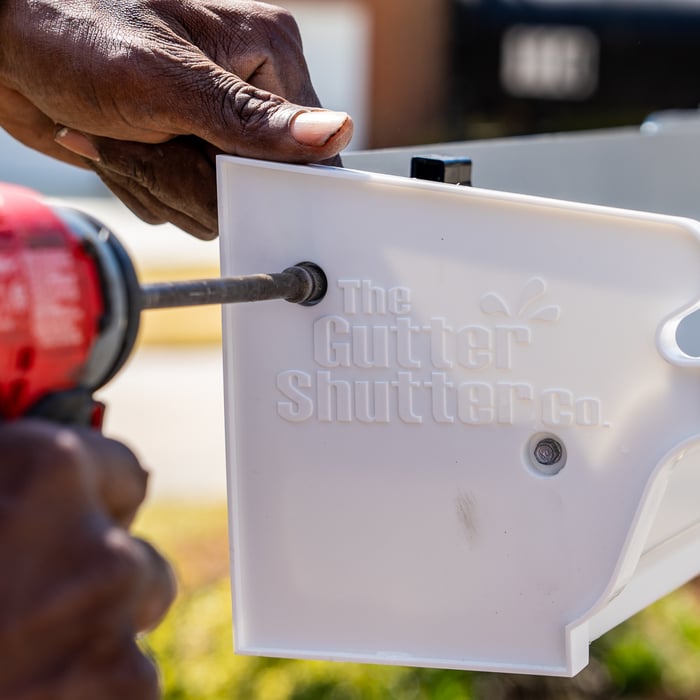
You should generally drill into the mortar joints when installing shutters on brick. Mortar is softer, which makes drilling easier and puts less strain on your tools. It also lowers the risk of cracking a brick—something that’s a lot harder to fix. Mortar holds fasteners well enough for standard shutters, and if you ever need to patch the holes later, it’s a much simpler job than dealing with damaged brick. Just keep in mind that if your mortar joints are too thin or the hardware calls for brick anchoring, you'll need to check the manufacturer’s recommendations and adjust accordingly.

To stain brick, you should use a product specifically formulated for brick, concrete, or other masonry surfaces. These stains are designed to penetrate the porous surface of the brick and bond with it. This is different from paint, which sits on the surface and is prone to peeling, flaking, and trapping moisture that can cause damage. Water-based brick stains are often recommended because they are easy to apply, even for DIYers, and they allow the brick to breathe. Avoid using regular paint on brick, as it will not adhere properly and can lead to future maintenance problems.

Solid brick structures can last a century or more, potentially 100 to 150 years with proper maintenance like tuckpointing. Without major repairs, classic red bricks may last 20 to 40 years. Brick veneer siding is also a long-lasting material, with a lifespan ranging from 50 to 100 years, provided it is properly installed and maintained. To maintain brick veneer, you should scrub it annually with a special detergent and a soft-bristled broom. It's also important to inspect the bricks and mortar regularly and hire a masonry contractor for any necessary repairs, such as fixing worn mortar or bowing bricks.

On average, a quality exterior brick stain can last between 10 and 20 years, and sometimes even longer. While it will look its best for a minimum of three to five years, its total lifespan depends on several factors. These include the quality and type of stain used, the condition of the brick, and the thoroughness of the surface preparation, such as proper cleaning. Following the manufacturer's application instructions and applying a sealant as a final step is also crucial. The stain's longevity can be affected by your location, climate, and the brick's exposure to harsh weather, high traffic, and other elements. Over time, the stain may begin to fade or look dingy due to weathering, erosion, dirt, and debris. Compared to paint, brick stain generally has a longer lifespan.

Cutting stone comes with a number of safety hazards. First and foremost, if you’re not comfortable with the equipment required to cut stone, including blades and grinders, you could easily injure yourself. The heavy machinery also poses a risk to your ears if you don’t wear proper ear protection; similarly, you need to wear eye protection to keep debris from irritating your eyes.

However, the biggest risk from cutting stone comes from the stone dust. When breathed in, stone dust can be a huge hazard to your lungs. Always wear a face mask when cutting stone to prevent inhaling stone dust, and thoroughly clean the work area when you are finished.

To avoid injury, we recommend hiring a stone-cutting professional, rather than attempting this job yourself.

The Bishopville, SC homeowners’ guide to masonry services

From average costs to expert advice, get all the answers you need to get your job done.