



Top-rated ceramic tile pros.

Get matched with top ceramic tile pros in Coventry, RI

Enter your zip and get matched with up to 5 pros

Need a pro for your ceramic tile service project in Coventry, RI?

Select your specific project to find the pro for you.

TRUSTED BY COVENTRY, RI HOMEOWNERS

  • Average homeowner rating star icon4.7
    Average homeowner rating
  • Verified reviews icon143
    Verified ceramic tile services reviews
Ceramic Tile questions, answered by experts

Grout and caulk are commonly used together, especially in bathrooms. Grout goes between the tiles and keeps them sturdy and in place on the walls or floor. Caulk goes in corners or where two different materials meet (like where the bathtub meets the tile) to create a waterproof seal. However, they are not interchangeable—you shouldn't use caulk to adhere tile and shouldn’t use mortar if you need a waterproof seal.
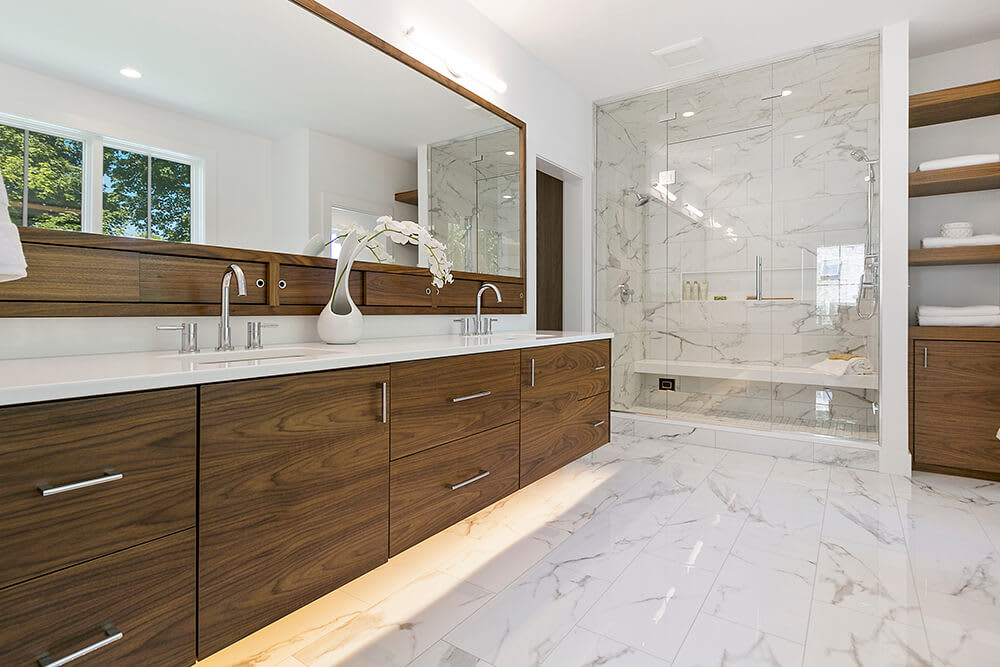
Porcelain and ceramic tiles are made from clay, but porcelain tiles are fired in a kiln at a higher temperature. This makes them more durable, but it also means porcelain is more expensive than ceramic at $3 to $5 more per square foot.

Even with the higher price point, many people choose porcelain over ceramic because there are more color and design options.

Yes. You can tile over tile if the old tile is in good shape, but this will also create a thicker floor. As a result, you may have to remove and readjust baseboards and other room trimmings and potentially even raise door heights to work with the higher floors. In most projects, it’s best to remove the old tile before installing a new tile floor.

It’s best to start with tiling the shower floor before moving on to the walls for the most visually-pleasing results. When taking on any tiling project, you’ll want the wall tiles to “sit” neatly on the floor tiles rather than overlapping them. Finishing your floor tiles first will allow you to place your wall tiles without any gaps, holes, or awkward intersections.

If you’re out of spacers for your tile installation, you can use pennies. Each time you place a tile, stick the pennies around the edges (on the sides and the corners). Like working with spacers, you’ll want the same amount of space around each tile before they set.