




Top-rated radon detection and reduction specialists.

Get matched with top radon detection and reduction specialists in Valley View, PA

Enter your zip and get matched with up to 5 pros

Need a pro for your radon detection and reduction project in Valley View, PA?

Select your specific project to find the pro for you.

Find Radon detection and reduction specialists in Valley View

Avatar for C&S Home Inspections
C&S Home Inspections
4.8(
59
)

Serving Valley View, PA and surrounding areas

Approved

In business since 2017

Free estimates

Customers say: Quick response

"I would definitely recommend C&S home inspections! I had a Radon Mitigation system installed and had nothing but a positive experience. They are extremely knowledgeable and friendly. They explained everything I needed to know thoroughly, which is important to me. Their prices are also the best have seen in my area. If you need a Radon Mitigation System, I highly recommend."

House Inspection
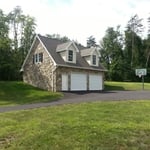
Detached garage
Response time2 days
Response rate87%
4 neighbors recently requested a quote
Radon Detection and Reduction questions, answered by experts

No level of radon is technically safe, but since it is naturally present everywhere, it is impossible to avoid entirely. The average radon level in homes across the United States is 1.3 picocuries per liter (pCi/L). The Environmental Protection Agency (EPA) recommends taking action to reduce radon levels if your home's test results are between 2 and 4 pCi/L or higher.

The average radon mitigation system uses about 876 kWh of electricity per year, although the exact amount of electricity used will vary depending on the size of the radon fan. Once the system is installed, the annual increase to your energy bill could range from $30 to $300 per year, again depending on the size of the fan.

The natural breakdown of uranium in soil, rock, and water can cause radon to appear in a home. The gas seeps into homes through cracks in foundations, walls, or floors, as well as through gaps around pipes or construction joints. Radon levels are influenced by soil composition, building materials, and ventilation. Poorly sealed or airtight homes can trap radon, allowing it to accumulate.

Ideally, no one will live in a house with elevated radon levels, as prolonged exposure increases the risk of serious health issues like lung cancer. However, homes with radon can be made safe through mitigation systems, such as active soil depressurization. Testing for radon regularly and addressing high levels helps ensure a safe living environment.

Testing every 2-5 years or upon adjusting occupancy or structural changes maintains safe environments.

The Valley View, PA homeowners’ guide to radon detection and reduction services

From average costs to expert advice, get all the answers you need to get your job done.