

Top-rated radon detection and reduction specialists.

Get matched with top radon detection and reduction specialists in Shenandoah, PA

Enter your zip and get matched with up to 5 pros

Need a pro for your radon detection and reduction project in Shenandoah, PA?

Select your specific project to find the pro for you.

Find Radon detection and reduction specialists in Shenandoah

Avatar for C&S Home Inspections
C&S Home Inspections
4.8(
59
)

Serving Shenandoah, PA and surrounding areas

Approved

In business since 2017

Free estimates

Customers say: Quick response

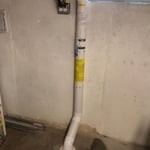
"I would definitely recommend C&S home inspections! I had a Radon Mitigation system installed and had nothing but a positive experience. They are extremely knowledgeable and friendly. They explained everything I needed to know thoroughly, which is important to me. Their prices are also the best have seen in my area. If you need a Radon Mitigation System, I highly recommend."

House Inspection
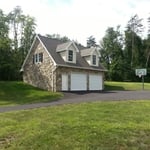
Detached garage
2 neighbors recently requested a quote
Recommended by96%of homeowners
Radon Detection and Reduction questions, answered by experts

The soil beneath your house is most likely what’s causing an increased level of radon. This is because soil holds radioactivity for a long time and it’s also what most buildings are built on. Another common source of radon is water from a source that hasn’t been through periodic radon tests, such as well water. Over time, the radon from the soil can inhabit other parts of your house like the foundation or plumbing.

Radon is present almost everywhere but, like sunlight, the concentration levels and how often you are exposed to it have a large part to play in just how dangerous it is. There are levels of radon that are acceptable inside a house, but above a certain limit, radon becomes a serious radioactive hazard that is a known cause of lung cancer. In fact, radon exposure is the number two leading cause of lung cancer (after smoking).

Radon enters your home when warm air begins to rise and exits through the roof, creating a vacuum that pulls cooler air from under the foundation. Part of that air is radon, which is an invisible, odorless gas that develops naturally when radioactive particles are deep within the ground. Those particles usually come from decaying matter in soil and rocks.

You can vent radon out of your house sometimes by simply opening a window, but it won’t remove the source, and will likely rise above recommended levels quickly. A professional will be needed to assess your home, and determine the best strategy for radon removal. Active radon sump pumps and soil depressurization systems are often used to forcefully vent the radon from your home.

While DIY testing is possible, abatement generally requires professional installation to ensure efficacy and meet safety standards.

The Shenandoah, PA homeowners’ guide to radon detection and reduction services

From average costs to expert advice, get all the answers you need to get your job done.