


Top-rated radon detection and reduction specialists.

Get matched with top radon detection and reduction specialists in Sugarloaf, PA

Enter your zip and get matched with up to 5 pros

Need a pro for your radon detection and reduction project in Sugarloaf, PA?

Select your specific project to find the pro for you.

Find Radon detection and reduction specialists in Sugarloaf

Avatar for The Radon Bros
The Radon Bros
5.0(
6
)

Serving Sugarloaf, PA and surrounding areas

Approved

Super Service Award Winner

In business since 2018

Free estimates

Warranties offered

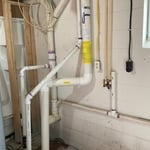
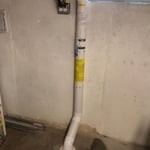
"Excellent, very satisfactory. Radon Brothers' rep came, saw the problem, and replaced the leaking radon exhaust PVC pipe in my basement floor. All in record time. Am very satisfied and will continue using Angi contractors."
Installations
Installations
Installations
Installations
Installations

+8

Response time1 day
Response rate100%
10 neighbors recently requested a quote

Avatar for Roof 2 Basement Home Inspection Services, LLC
Roof 2 Basement Home Inspection Services, LLC
4.9(
63
)

Serving Sugarloaf, PA and surrounding areas

In business since 2017

Free estimates

Credit card accepted

"Terry was very honestm, pleasant, helpful at every turn, informative, answered any question you might have, knowledgeable about most everything and very intuitive about electrical problems. I would absolutely recommend him you can't go wrong."
Response time8 hrs
Recommended by98%of homeowners
Radon Detection and Reduction questions, answered by experts

No level of radon is technically safe, but since it is naturally present everywhere, it is impossible to avoid entirely. The average radon level in homes across the United States is 1.3 picocuries per liter (pCi/L). The Environmental Protection Agency (EPA) recommends taking action to reduce radon levels if your home's test results are between 2 and 4 pCi/L or higher.

The soil beneath your house is most likely what’s causing an increased level of radon. This is because soil holds radioactivity for a long time and it’s also what most buildings are built on. Another common source of radon is water from a source that hasn’t been through periodic radon tests, such as well water. Over time, the radon from the soil can inhabit other parts of your house like the foundation or plumbing.

The lifespan of a radon mitigation system depends on the type of system and its maintenance. With proper care, a system can last for many decades. Passive systems tend to last longer as they have fewer components that require replacement. Active systems, which have more moving parts like fans, generally have a shorter lifespan. For instance, water filtration devices and active pressurization systems require more frequent maintenance. While the system as a whole is durable, the radon fan in an active system typically has a lifespan of 5 to 10 years and will need to be replaced. As long as the fan is working, the mitigation system should function correctly.

Your radon mitigation system may be loud because it’s time to replace it. Any sounds are usually from the inline fan that helps create the vacuum and resulting airflow. If you hear a new, loud mechanical or humming noise from your radon fan, it might be time to replace it. Most fans used in radon mitigation systems last up to 10 years, but may need to be replaced sooner.

Mitigation reduces radon levels, protecting your health and complying with safety standards.

The Sugarloaf, PA homeowners’ guide to radon detection and reduction services

From average costs to expert advice, get all the answers you need to get your job done.