

Top-rated radon detection and reduction specialists.

Get matched with top radon detection and reduction specialists in Frackville, PA

Enter your zip and get matched with up to 5 pros

Need a pro for your radon detection and reduction project in Frackville, PA?

Select your specific project to find the pro for you.

Find Radon detection and reduction specialists in Frackville

Avatar for The Radon Bros
The Radon Bros
5.0(
6
)
Radon Gas - AbatementRadon Gas - Testing

Serving Frackville, PA and surrounding areas

Approved

Super Service Award Winner

In business since 2018

Free estimates

Warranties offered

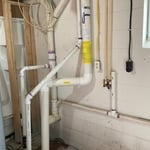
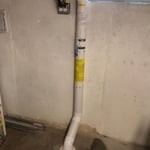
"Excellent, very satisfactory. Radon Brothers' rep came, saw the problem, and replaced the leaking radon exhaust PVC pipe in my basement floor. All in record time. Am very satisfied and will continue using Angi contractors."
Installations
Installations
Installations
Installations
Installations

+8

Response time1 day
Response rate100%
14 neighbors recently requested a quote
AAA Radon Experts
New to Angi
Radon Gas - Testing

Serving Frackville, PA and surrounding areas

In business since 1993

Free estimates

Credit card accepted

We're a locally owned and operated company that values honesty and integrity and treats your home as if it were our own. We specialize in radon gas testing and abatement. We pride ourselves on the quality of our work as well as our commitment to outstanding results. We look forward to building lasting relationships and guarantee your satisfaction!

Radon Detection and Reduction questions, answered by experts

No, air purifiers are not an effective way to reduce or remove radon. Radon is a radioactive, inert gas that cannot be filtered by standard air purifiers, which are designed to capture particulates like dust and mold. While an air purifier can improve indoor air quality by removing other pollutants, it should not be relied upon for radon. The only effective solution for high radon levels is a dedicated radon mitigation system.

The soil beneath your house is most likely what’s causing an increased level of radon. This is because soil holds radioactivity for a long time and it’s also what most buildings are built on. Another common source of radon is water from a source that hasn’t been through periodic radon tests, such as well water. Over time, the radon from the soil can inhabit other parts of your house like the foundation or plumbing.

If your home has a sump pit, you can integrate it with a radon mitigation system. You can accomplish this by sealing the pump cover with an airtight lid that accommodates radon vent pipes and sump pump hoses. This allows the vent pipe to redirect the radon gas outside of your home.

Use a radon test kit or hire professionals to conduct a detailed assessment of radon levels in your home.

No level of radon is technically safe, but since it is present everywhere, complete avoidance is impossible. The average radon level in homes across the United States is 1.3 picocuries per liter (pCi/L). The Environmental Protection Agency (EPA) recommends taking preventative measures if your home's radon levels are between 2 and 4 pCi/L or higher.

The Frackville, PA homeowners’ guide to radon detection and reduction services

From average costs to expert advice, get all the answers you need to get your job done.