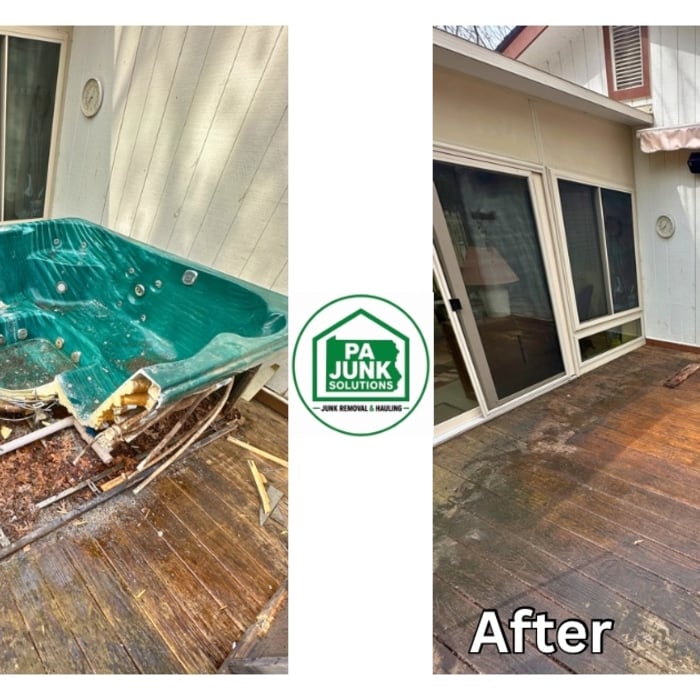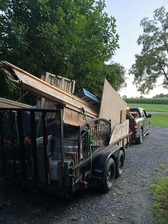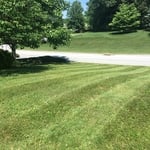
Top-rated leaf removal pros.

Get matched with top leaf removal pros in Seven Valleys, PA

Enter your zip and get matched with up to 5 pros

Need a pro for your leaf removal project in Seven Valleys, PA?

Select your specific project to find the pro for you.

TRUSTED BY SEVEN VALLEYS, PA HOMEOWNERS

  • Average homeowner rating star icon4.4
    Average homeowner rating
  • Verified reviews icon41
    Verified leaf removal services reviews

Find Leaf removal pros in Seven Valleys

Avatar for Shepherds View
Shepherds View
4.9(
14
)
Lawn & Yard Waste Clean UpLawn Care - Fall / Spring Clean Up - For BusinessLawn Care - Maintain and Mow a Lawn

Serving Seven Valleys, PA and surrounding areas

Approved

In business since 2018

Free estimates

Emergency services offered

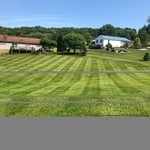
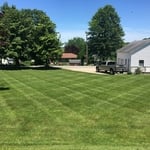
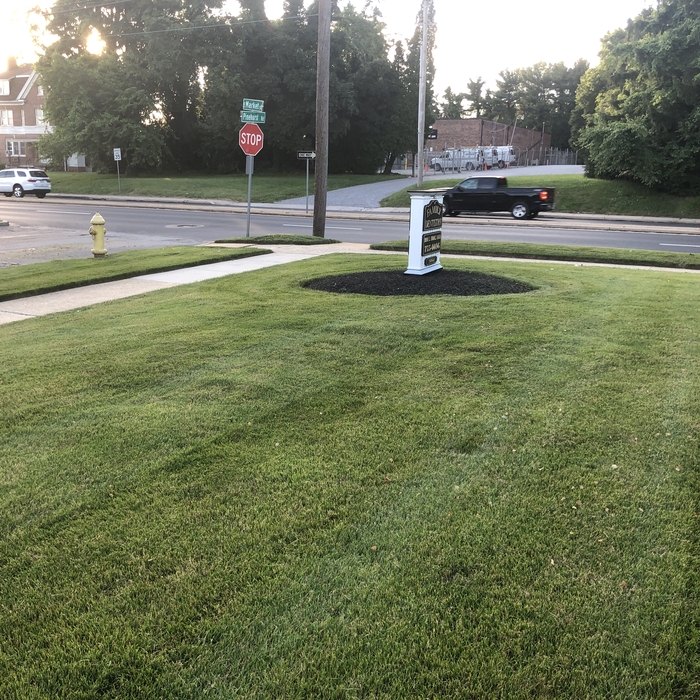
"There lawn maintenance is outstanding. As a former landscape supervisor, I was more than pleased with the quality of their work on my large yard. Good trim, excellent cut. They also perform other landscape and home maintenance work which is excellent."
Our Projects
Our Projects
Our Projects
Our Projects
Our Projects

+16

Response time2 days
Recommended by100%of homeowners
...
Showing 1-10 of 372
Leaf Removal questions, answered by experts

According to the Environmental Protection Agency (EPA), hazardous waste is generally classified into four main categories:

1. Characteristic Wastes: These exhibit at least one of four hazardous traits: ignitability (flammable, like gasoline), corrosivity (can rust or decompose materials, like car batteries), reactivity (unstable and can explode, like aerosol cans), or toxicity (harmful when ingested, like lead-based paint).

2. Listed Wastes: These are specific wastes from manufacturing and industrial processes that the EPA has officially designated as hazardous. They include byproducts from processes that use solvents, pesticides, and other chemicals.

3. Universal Wastes: These are commonly generated hazardous items that are subject to streamlined regulations. Examples include batteries, pesticides, mercury-containing equipment (e.g., bulbs), and some lamps.

4. Mixed Wastes: This category includes waste that contains both hazardous and radioactive components, making it subject to regulation by both the EPA and the Nuclear Regulatory Commission.

You do not have to remove lead paint if the surface is not chipping or peeling or if there are no pregnant people or children under the age of six who live in or regularly visit your home. Lead paint is a particular risk for young children whose brains and bodies are not fully developed. Experts strongly recommend that you call a pro to remove lead paint if it’s peeling or flaking, no matter who lives in the home. You can experience lead poisoning by breathing in or ingesting just a small amount of it.

The best disposal method for hazardous waste is recycling or donation, if possible. That way, the world can reduce its consumption of raw materials and the volume at which materials have to be treated and disposed of. If recycling or donation is not an option, most waste can be disposed of through landfills or incinerators, but their collection and treatment are separate from regular day-to-day waste disposal. 

Professionals use appropriate equipment to prevent property damage and ensure efficiency.

No. Standard homeowners insurance does not cover any kind of lead remediation, focusing instead on sudden, unpreventable events like fires and theft. Many insurance companies will specifically exclude lead paint removal, since it tends to be an expensive and unavoidable project. The exception is if the lead surface is damaged during a covered event (like a flood) and homeowners insurance pays its replacement.

The Seven Valleys, PA homeowners’ guide to leaf removal services

From average costs to expert advice, get all the answers you need to get your job done.