






House & Home
Handyman for Multiple Small Projects
Serving Rural Valley, PA and surrounding areas
In business since 2000
Free estimates
Warranties offered
"Very well. He did a great job"
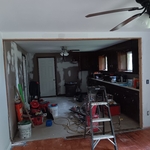
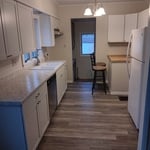
+40
Response time2 days
Recommended by53%of homeowners
*The Angi rating for Pool Table Assembly companies in Rural Valley, PA is a rating based on verified reviews from our community of homeowners who have used these pros to meet their Pool Table Assembly needs.
*The HomeAdvisor rating for Pool Table Assembly companies in Rural Valley, PA is a rating based on verified reviews from our community of homeowners who have used these pros to meet their Pool Table Assembly needs.
Last update on December 02, 2025
Serving Rural Valley, PA and surrounding areas
In business since 2000
Free estimates
Warranties offered
"Very well. He did a great job"
+40

Serving Rural Valley, PA and surrounding areas
In business since 2024
Free estimates
Credit card accepted
"This company was extremely easy to work with and was super nice! They will do exactly what you ask for and make it a 100 times better than imagined!"
Serving Rural Valley, PA and surrounding areas
In business since 1985
Free estimates
Emergency services offered
"Although he tried very hard, there were some areas that needed to be fixed after the job was done."
Serving Rural Valley, PA and surrounding areas
In business since 2006
Free estimates
Warranties offered
"Timely, honest, patient, great service..."


Serving Rural Valley, PA and surrounding areas
In business since 2018
"No problems with him and I love it!"
Serving Rural Valley, PA and surrounding areas
In business since 2022
Free estimates
Credit card accepted
"Ben was timely and always cleaned up after the work."
Serving Rural Valley, PA and surrounding areas
In business since 2002
Free estimates
Small jobs welcome
"Jon is a very hard worker and does his best. The work on our floors did not turn out well. We hired him to refinish our hardwood floors. We are left with marks from the sanding, uneven staining and finish coat. Jon did say that he would come back and make it right but we decided to just do the work to correct ourselves. Just don't think that refinishing hardwoods is something he does very often."
Serving Rural Valley, PA and surrounding areas
In business since 2017
Free estimates
Credit card accepted
"He beat just about everybody's price!"
Serving Rural Valley, PA and surrounding areas
In business since 2019
Free estimates
Credit card accepted
We pride our company on reliability, great communication, integrity, and quality work. We strongly believe in giving our absolute best in all the work we perform. We are experts and will always keep you educated about the work process. We look forward to earning your business. \n
Serving Rural Valley, PA and surrounding areas
In business since 1994
Free estimates
J. Summerville Construction is the complete solution to your residential construction and repair needs! We have over 20 years of experience and ensure your happiness; because it�s your investment!

+7
From average costs to expert advice, get all the answers you need to get your job done.

Learning how much it costs to refelt a pool table is the first step to getting your game back in top shape. Here's what to know about each type of table.
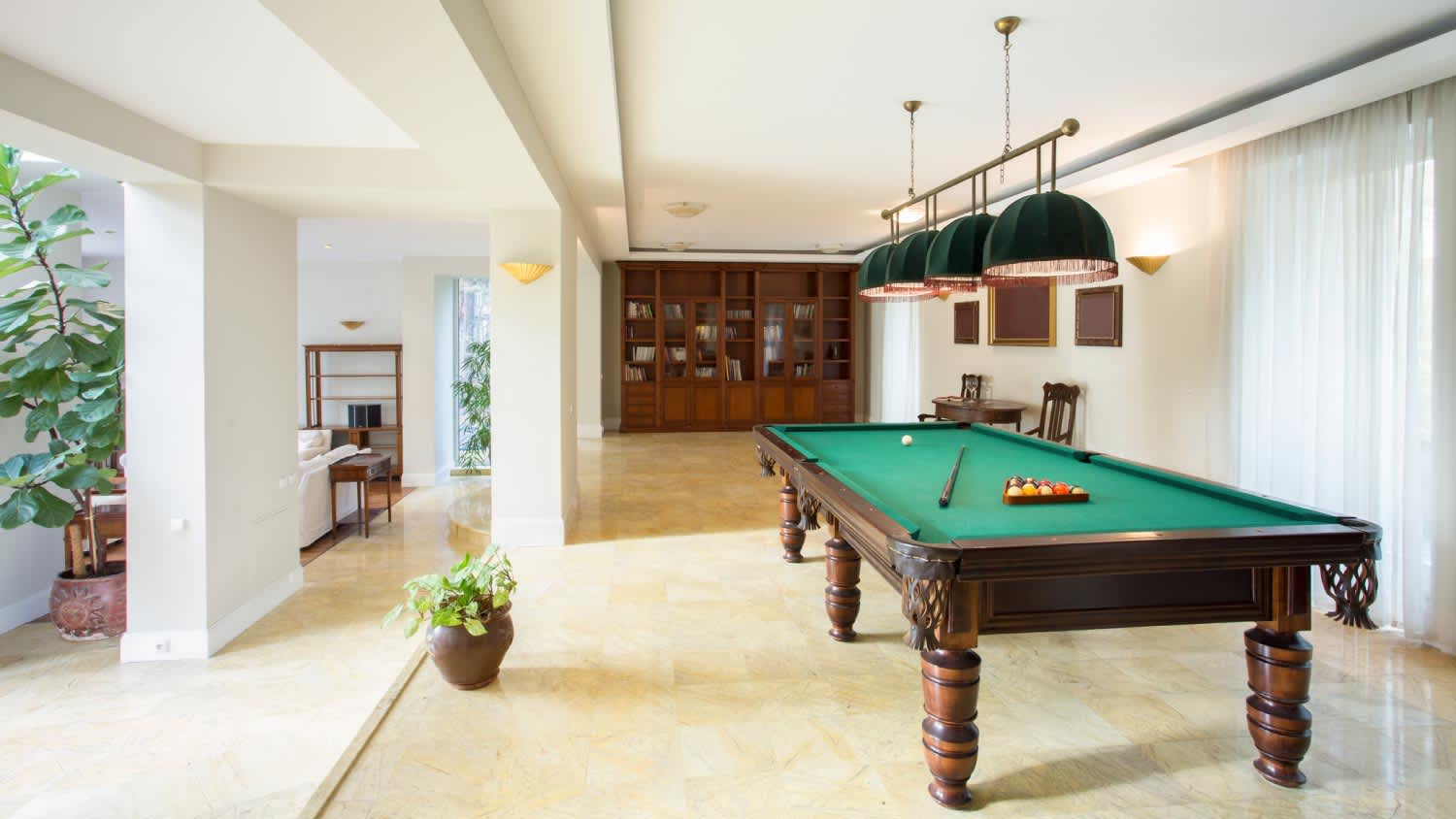
If you’ve ever tried moving a pool table, you know it’s a big undertaking. Here’s an overview of what factors into the cost to move a pool table.

Looking to take a dip? Container pools are a rising, eco-friendly trend. This guide will help you understand shipping container pool costs.
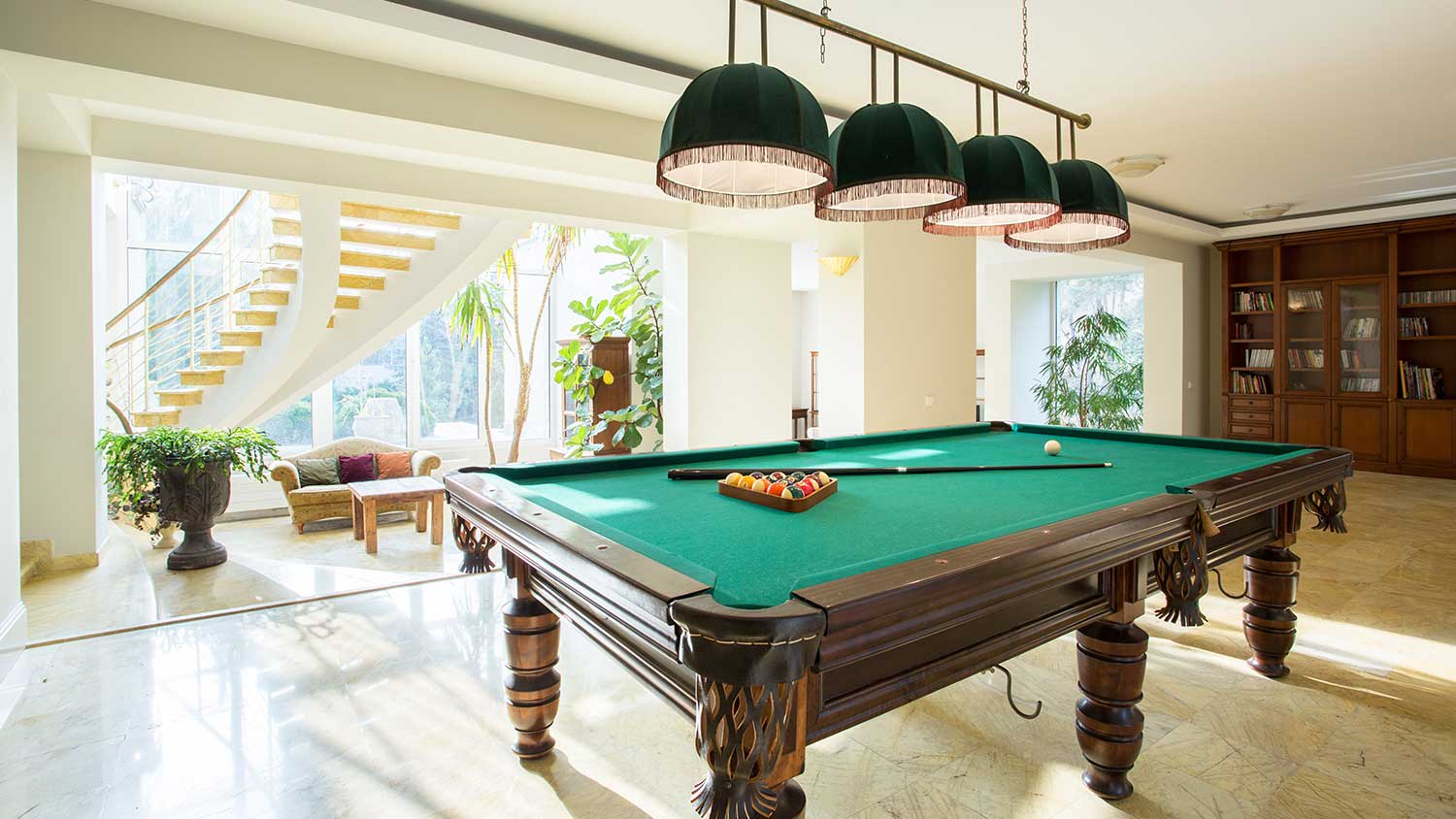
Pool tables and billiard tables come in a variety of sizes and designs. Read our buying guide to ensure you purchase the right one for your family’s gaming room.
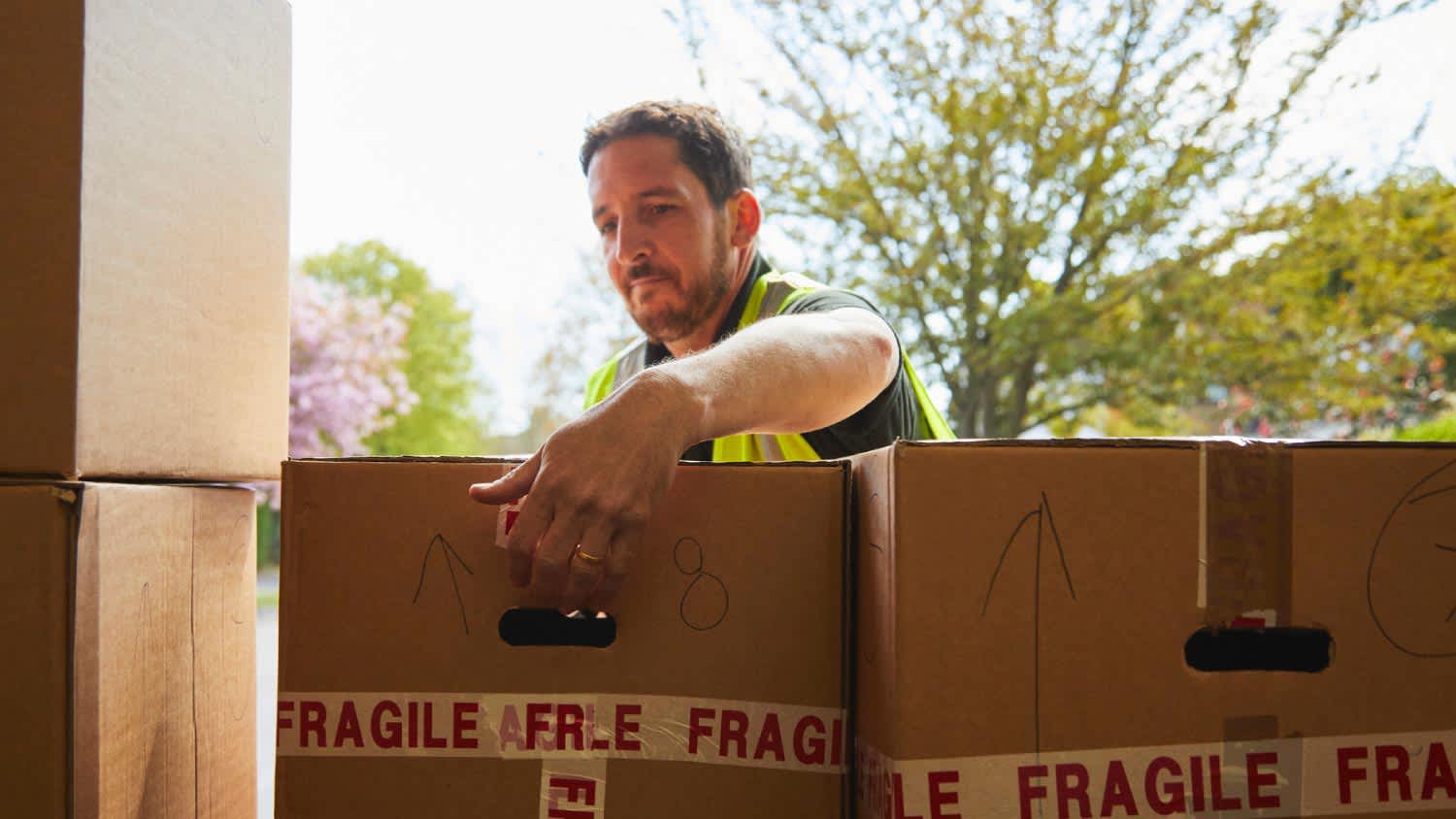
Learn about home items that are nearly impossible to move without movers, either because they are awkwardly shaped, too heavy, or require special equipment.

Upgrade your backyard with a simple picnic table you built all by yourself. Learn how to build a DIY wooden picnic table in this step-by-step guide.