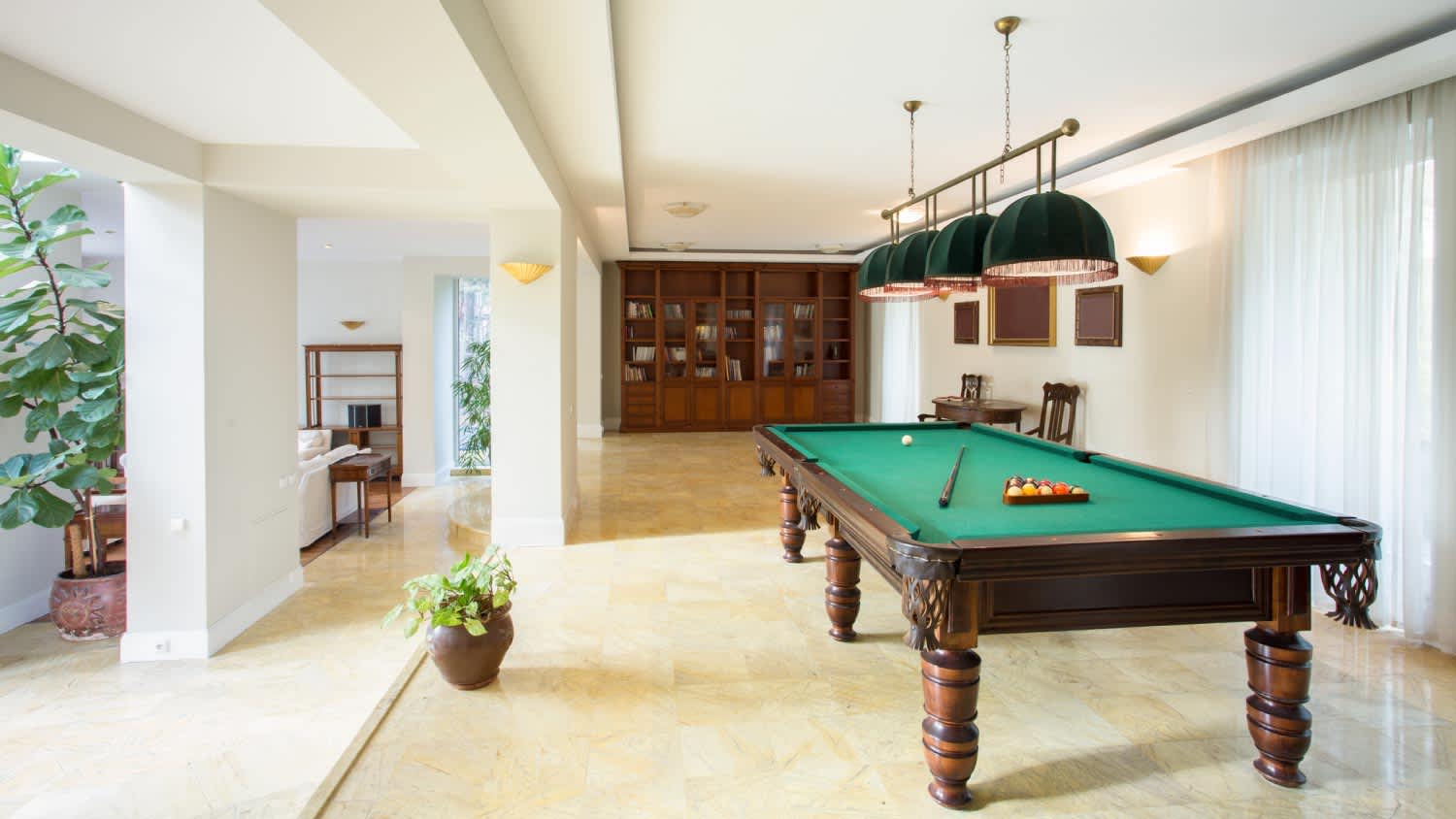







Get matched with top pool table assembly pros in Hamilton, PA
Top-rated pool table assembly pros.

Need a pro for your pool table assembly project in Hamilton, PA?

Select your specific project to find the pro for you.

Find Pool table assembly pros in Hamilton

Avatar for House & Home
House & Home
4.5(
15
)

Serving Hamilton, PA and surrounding areas

In business since 2000

Free estimates

Warranties offered

"Darin assembled a full size Murphy bed and cabinet that we had purchased from Home Depot. It was a complicated assembly and Darin’s skills and experience were just what we needed to get it right. He is professional, hardworking, and conscientious. I highly recommend him and will hire him again."
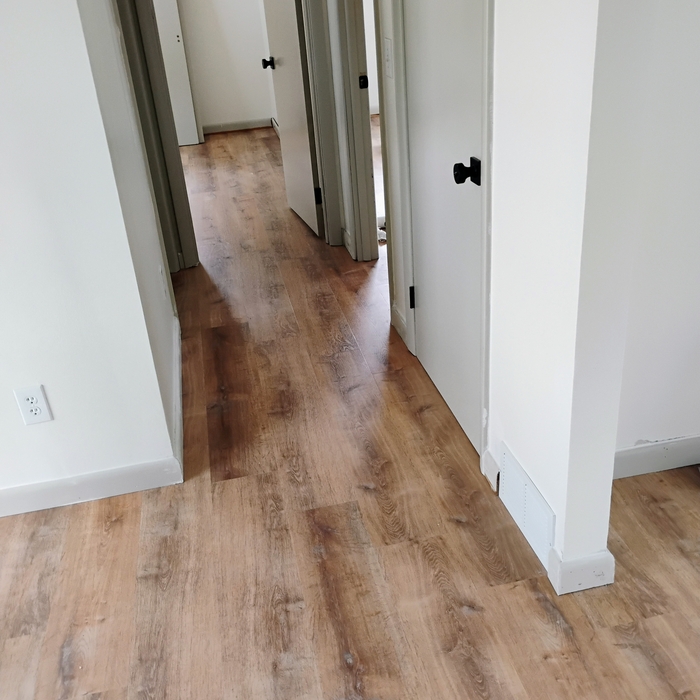
Additional Photos
Additional Photos
Additional Photos
Additional Photos
Additional Photos

+40

Response time2 days
Recommended by53%of homeowners
Showing 1-10 of 23
Pool Table Assembly questions, answered by experts

Generally speaking, most municipalities require you to get a permit when you build a pool. Whether or not you need a permit to install a plunge pool will depend on your local laws. It’s always better to check with your HOA and town clerk before digging for a new pool. Otherwise, violations could result in hefty fines. 

Permits are generally required to build an in-ground swimming pool. These permits cover aspects like zoning, safety fencing, and electrical work. Obtaining the correct permits involves coordination with local building authorities.

Pool water—or rather, the chlorine in pool water—generally doesn’t damage artificial grass. This type of grass is made from plastic fibers that are incredibly resilient. That said, you can damage artificial grass around a pool in other ways. For example, the sun’s reflection off a window or fence can melt polyethylene fibers. A temporary pool can flatten and cause an indent in turf.

No, shock and chlorine are not the same thing, though they are related and both are used for pool maintenance. Regular chlorine, often in the form of tablets, is a sanitizer used for routine, day-to-day maintenance to keep a steady chlorine level. Pool shock, however, is a highly concentrated dose of chlorine used periodically for a more intense cleaning. It rapidly raises chlorine levels to fix issues like cloudy water or algae growth and also eliminates chloramines, which are byproducts of regular chlorination. Because their purposes and concentrations differ, they are not interchangeable, and proper pool care typically requires using both.

No, you shouldn’t be able to taste the salt at all since saltwater pools only contain about 10% of the salt you’d find in ocean water. Saltwater pools do create some chlorine, though, so you should still try not to drink the water.

The Hamilton, PA homeowners’ guide to pool table assembly services

From average costs to expert advice, get all the answers you need to get your job done.