



Top-rated drywall pros.

Get matched with top drywall pros in Quincy, PA

Enter your zip and get matched with up to 5 pros

Need a pro for your drywall service project in Quincy, PA?

Select your specific project to find the pro for you.

TRUSTED BY QUINCY, PA HOMEOWNERS

  • Average homeowner rating star icon5
    Average homeowner rating
  • Verified reviews icon10
    Verified drywall services reviews

Find Drywall pros in Quincy

Avatar for Economic Innovations LLc
Economic Innovations LLc
5.0(
7
)
Drywall - Install

Serving Quincy, PA and surrounding areas

Approved

In business since 2024

Free estimates

Emergency services offered

"The pro was very communicative, able to adapt to my schedule and provided the exact work requested in a timely professional manner. It was very humid the day of install and they made a return trip to make sure everything dried and sealed appropriately."
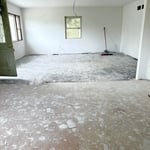
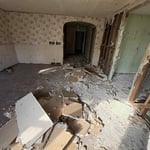
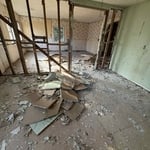
Full restoration
Full restoration
Full restoration
Full restoration
Full restoration

+3

4 neighbors recently requested a quote
Jayley Construction LLC
New to Angi
Drywall - Repair - For Business

Serving Quincy, PA and surrounding areas

Approved

In business since 2021

Free estimates

Credit card accepted

At _______Jayley Construction LLC_____, our company is based on the belief that our customers' needs are of the utmost importance. Our team is committed to meeting those needs. We welcome the opportunity to earn your trust and deliver you the best service. No job is too big or too small for our experienced team. Call today for a quote!

Avatar for Thompson's Basement Waterproofing
Thompson's Basement Waterproofing
4.1(
226
)
Drywall - InstallDrywall - Install - For BusinessDrywall - Repair+1 more

Serving Quincy, PA and surrounding areas

In business since 1999

Free estimates

Emergency services offered

"The work was messy but The crew was very hard working. The jackhammer hit a pipe under our sink. They came back to fix that. While the amount of water was drastically reduced in our basement, I will never feel secure enough to finish it. They have returned 4-5 times to troubleshoot the problem because their service has a lifetime guarantee. The last time they came (2 years after original job) they added another sump pump and redug one of the ditches. It seems to have helped but I still see a very small amount of water seeping through a few cracks in the floor. With two small kids in the house, it's exhausting to keep having service people in and out of your house. I'm not happy it took so many visits, but I think overall that they were fairly quick in responding to my calls and getting out to our house."
SUMP PUMPS
CRAWL SPACE AND REPAIR
FOUNDATION REPAIR
MOLD REMOVAL
Recommended by82%of homeowners
...
Showing 1-10 of 118
Drywall questions, answered by experts

Drywall can get wet and dry out without sustaining permanent damage, but only if the water damage is minor. If you have a small leak and are quick to correct the issue and set up blower fans and dehumidifiers, your drywall should dry out. If the leak is persistent, the drywall becomes totally waterlogged, or mold begins forming on the drywall, you should remove and replace it.

Although they are used for similar tasks, spackle and joint compound are not the same. Joint compound, also known as drywall mud, consists of limestone and gypsum and is primarily used for large-scale projects like taping and finishing seams on new drywall. Spackle is composed of gypsum and binding agents, making it a thicker compound best suited for small wall repairs like filling nail holes or cracks, as it dries quickly and is easy to sand. For small repairs, either product can be suitable. However, you can use joint compound for small jobs in place of spackle, but you cannot use spackle for large-scale taping and mudding projects.

Wet-sanding and dry-sanding each have pros and cons. Dry-sanding is less messy, so it’s a good option if you’re trying to minimize dust (for example, if you’re sanding an occupied home or working with particularly dry or dusty drywall mud). However, dry-sanding is quicker because you don’t have to keep rinsing a sponge or wait for it to dry before painting.

Wall anchors are suitable for drywall and plaster walls, which are common in most homes. However, different wall materials may require specialized anchors. For concrete or masonry walls, you'd typically use concrete anchors. When dealing with other wall types, such as brick or tile, specific anchors designed for those materials may be necessary. Always consult with a hardware specialist or check the manufacturer's recommendations to ensure you select the appropriate anchors for your specific wall type.
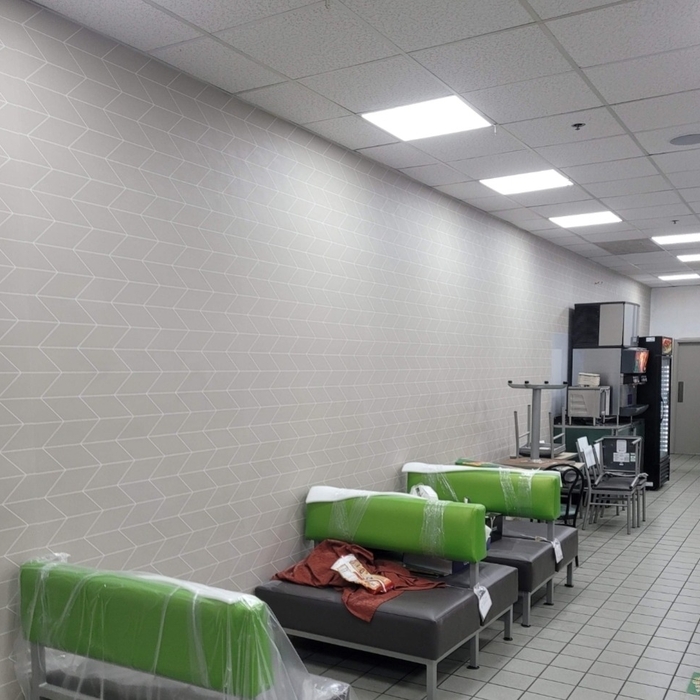
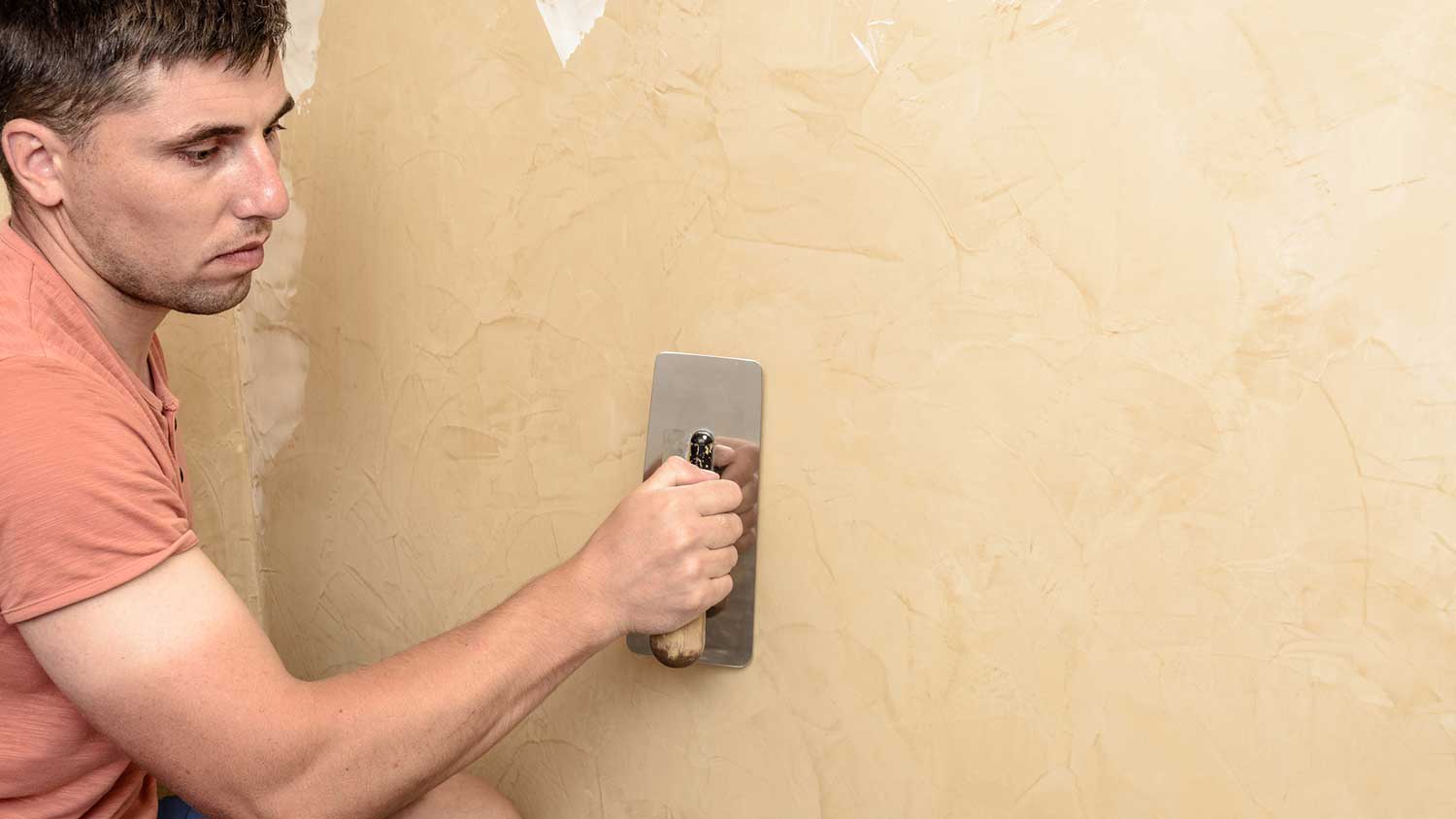
Most drywall used for interior walls of homes is 1/2-inch thick. This size strikes a balance of being easy to handle and hang while being thick enough for the durability needed on interior wall applications.

The Quincy, PA homeowners’ guide to drywall services

From average costs to expert advice, get all the answers you need to get your job done.