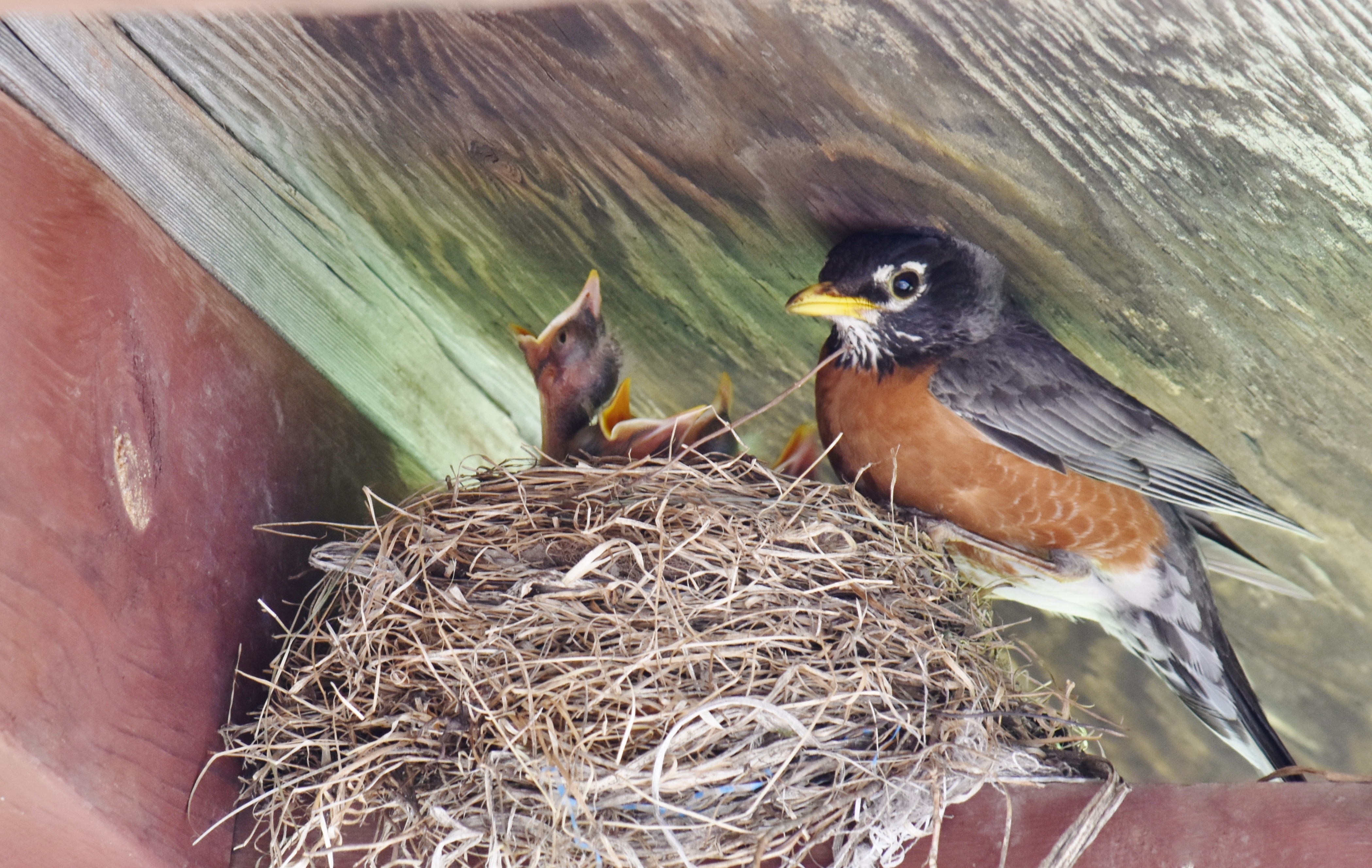
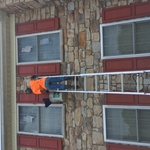
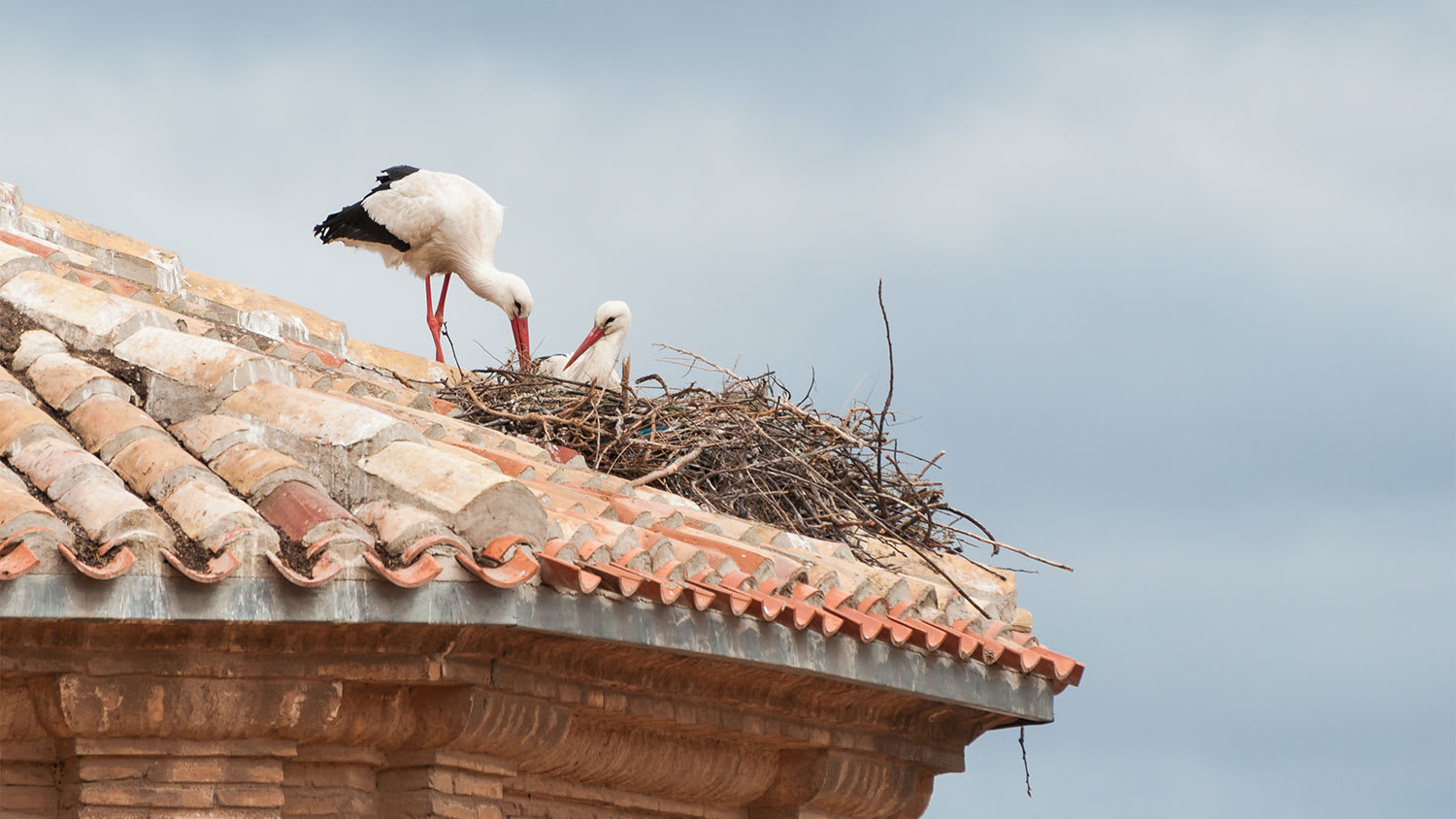
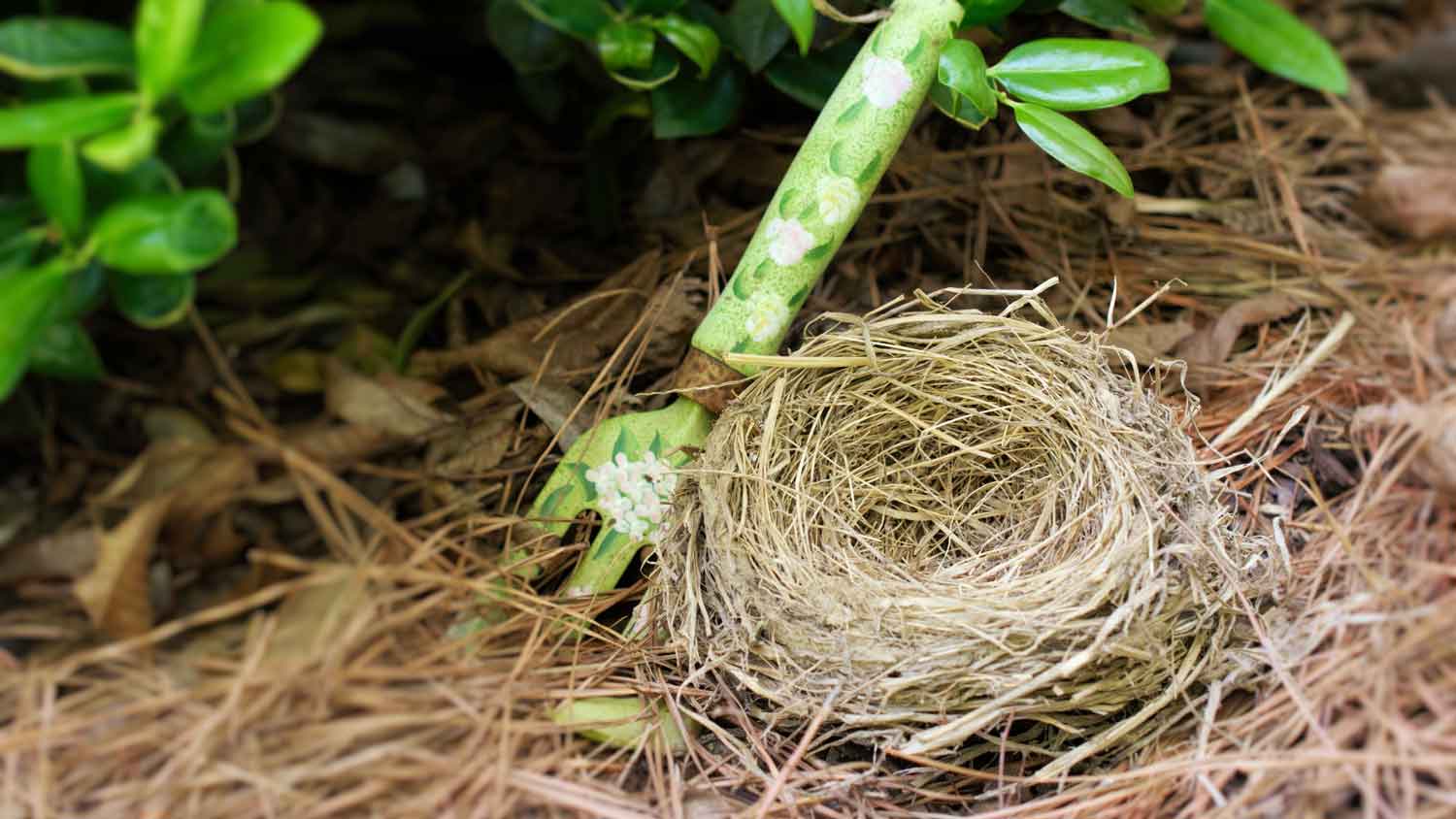
"Came and removed the bird nest from one of the three vents and installed covers for the vents. Very nice people and did the job even though it was very windy and the vents were almost near to the roof of two story house . Really appreciate their work ."
"Wonderful! This company does amazing work. They are so professional, generous with their time, reasonable rates, and get the job done without hurting our environment!! No pest control company like them!"
Trutech® Wildlife Service provides solutions for all your nusiance animal and wildlife control needs along with exclusion services. We have a long history of providing customers with quality services, coupled with a high standard of professionalism. Trutech is fully insured and licensed with regulatory agencies and state and local authorities. Leading pest control companies, university, county and state agencies routinely recommend our services. \n\n
Animal Wildlife Removal, Inc., has been serving Northeastern Pennsylvania for the past 30 years. We specialize in wildlife removal of most small mammals including avian and reptiles. Please call us for a free consultation.
We are a locally owned and operated company that values honesty and integrity in all aspects\nof our business. Our major focus is on the quality our work and producing outstanding results.\nWe are committed to creating a level of value unmatched by any of our competitors. We look\nforward to building lasting relationships with our clients and guarantee your satisfaction!
It can be difficult to know what type of animal is in your attic until you see it. But several clues can help you narrow down the suspects:
Sounds: Smaller animals like rats and mice make scurrying and tapping/gnawing sounds. Larger animals like raccoons and opossums make louder clambering noises. Also, note when animals are noisy: Squirrels are active during the day, while rats are busiest at night.
Droppings: Rats and mice leave small, rice-shaped droppings (the rat’s version is significantly larger). Bigger droppings belong to larger critters like raccoons. As long as you’re not squeamish, an image search can help you identify what you’re seeing in your attic.
When in doubt, take photos of damage or other evidence and show them to an experienced pest control pro.
Studies indicate that owls don't possess a conventional sense of fear. However, they find intense, sudden human noise unsettling, like clapping or shouting. Additionally, owls are likely spooked by sudden bursts of bright light. While they may not experience fear as humans do, these disturbances can disrupt their natural behaviors, making it essential to minimize such disruptions when sharing spaces with these remarkable creatures.
Costs depend on infestation severity, business size, treatment type, and frequency of service.
Pest control and wildlife removal are different services. Pest control specialists typically handle insects and bugs, often using chemicals and poisonous sprays for extermination. Wildlife removal professionals, on the other hand, focus on larger animals. They prioritize humane methods like trapping and relocation, using poison only as a last resort. For insect problems, contact a pest control professional; for issues with other animals, an animal or wildlife removal specialist is the correct choice.
No, you shouldn’t have to worry about bats in your yard as long as they don’t make their way inside your house. Typically, bats hang around backyards in order to consume bugs, especially if they’re located in the U.S. Bats that are native to North America can consume more than 500 bugs per hour, so they may actually benefit your yard if mosquitoes are prevalent.
The Pocono Summit, PA homeowners’ guide to bird control services
From average costs to expert advice, get all the answers you need to get your job done.
Sometimes birds nest in unwelcome places. Find out how much bird nest removal will cost based on factors like location, bird species, and preventative measures.