

Top-rated electricians.

Get matched with top electricians in Newtown Square, PA

Enter your zip and get matched with up to 5 pros

Need a pro for your electrical service project in Newtown Square, PA?

Select your specific project to find the pro for you.

TRUSTED BY NEWTOWN SQUARE, PA HOMEOWNERS

  • Average homeowner rating star icon4.7
    Average homeowner rating
  • Verified reviews icon1.7k+
    Verified electrical services reviews

Find Electricians in Newtown Square

Avatar for STAPLEFORD ELECTRIC
STAPLEFORD ELECTRIC
4.7(
86
)
Electrical Switches, Outlets & Fixtures - Install or RepairElectrical Wiring or Panel UpgradeElectric Vehicle Charging Station Installation+10 more

Serving Newtown Square, PA and surrounding areas

Approved

In business since 2000

Free estimates

Warranties offered

"Electrical in an older home can be complicated. We had several people give outrageous estimates or never show up to do the work. Stapleford electric was prompt in providing an estimate and completed the work with quality. The cost for installing a new outlet and bracing for a large, heavy chandelier was fixed cost and other work was a time and materials rate. Both were reasonable and they knew what they were doing with the old style wiring. We had an additional expense to get plaster repaired separately but that would have been the case no matter who did the electrical work - they referred us to a master plasterer which was great. I have no reservations to recommend or use Stapleford again."
2 neighbors recently requested a quote
Recommended by100%of homeowners
...
Showing 1-10 of 831
Electrical questions, answered by experts

240V is the standard for more demanding appliances in the United States, whereas 220V is more common elsewhere. The voltage isn’t very different in any practical sense. The United States is a newer country compared to many other regions in the world with a faster adoption of new electrical needs. Appliances in the United States are often bigger than other parts of the world.

Some portable cooktops are compatible with standard 120-volt outlets, but most induction (and electric) ranges and stoves need a dedicated 220- or 240-volt circuit and 40 to 50 amps to work. If you are replacing an old electric range with an induction one, you likely already have the proper outlet, but it’s worth checking with a local appliance installation company.

Natural gas and electricity rates vary significantly based on location, and pricing can change over time, too. It’s possible that in locations where natural gas is particularly inexpensive, it will cost less than grid-based electricity will. However, you should also factor in the generator’s initial costs and maintenance needs, as well as its noise level and if it can comfortably power all your home appliances.

Yes, electricians must be licensed, certified, and in most cases, insured. Licensing requirements vary by state and local municipality, but most U.S. municipalities require electricians to hold an electrical contractor’s license. It's always a good practice to confirm requirements with your local municipality. Even if licensing is not required in your area, hiring a licensed and experienced electrician often leads to a better end result.

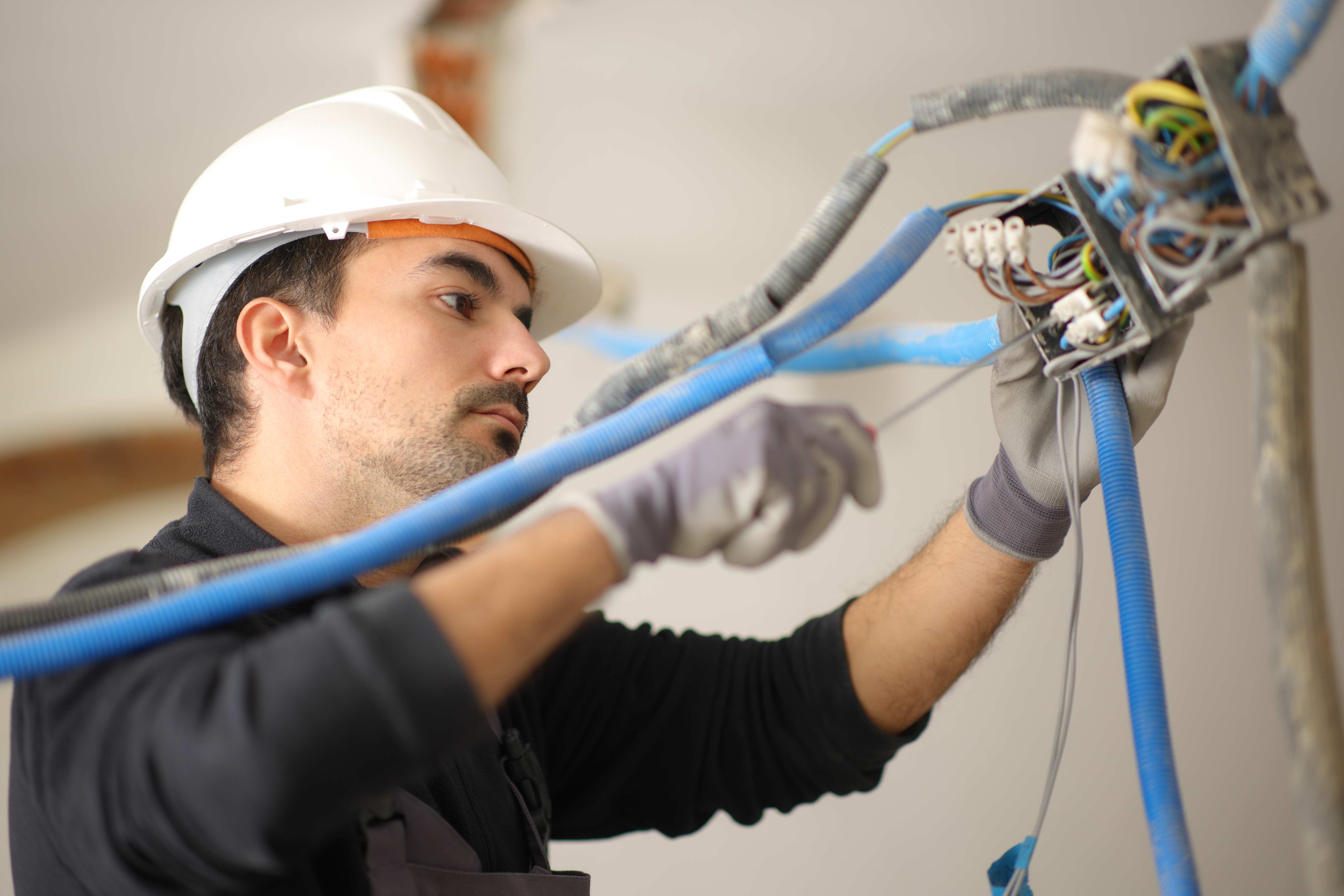
A license is a legal requirement to operate a business and is necessary for pulling project permits. Certifications, on the other hand, are typically voluntary and demonstrate a certain level of expertise. In some cases, a certified electrician may send an apprentice or journeyman to perform the work, but they must operate under a primary electrician who holds the proper license.

Before hiring, you should verify the electrician's license, insurance coverage, and any third-party certifications. You can use Angi’s contractor licensing search to confirm a pro's license status. Additionally, businesses with the “Angi Approved” badge on our platform meet strict criteria, including having the required state and local licenses, passing a background check, and maintaining a high average rating.

You should install a 25-amp breaker for your outdoor electrical outlet. If your outlet is only for use in an outdoor kitchen area for standard appliances, then a 15- to 20-amp circuit breaker should work. However, you will need to install a GFCI receptacle or breaker to ensure that the breaker trips on contact with water.

The Newtown Square, PA homeowners’ guide to electrical services

From average costs to expert advice, get all the answers you need to get your job done.