





Top-rated electricians.

Get matched with top electricians in Villanova, PA

Enter your zip and get matched with up to 5 pros

TRUSTED BY VILLANOVA, PA HOMEOWNERS

  • Average homeowner rating star icon4.6
    Average homeowner rating
  • Verified reviews icon1.8k+
    Verified electrical services reviews

Find Electricians in Villanova

Avatar for BRAD BROWN ELECTRIC
BRAD BROWN ELECTRIC
4.8(
253
)
Ceiling Fan - InstallCeiling Fan - RepairElectric Vehicle Charging Station Installation+9 more

Serving Villanova, PA and surrounding areas

Approved

In business since 2006

Emergency services offered

Warranties offered

"Many thanks to Anthony and Ralph for fixing the electrical issue in our master bathroom. They did great work! The best part about these guys is that they literally show you exactly what the problem was and how they were going to fix it. They also provided enough information upfront on what the cost would be. Also a big shout out to Anjeli, she was very pleasant and contacted us after all the work was done to see if we were satisfied. We will be using this company for future electrical services!"
Recessed Lighting
Additional Photos
Additional Photos
Additional Photos
Additional Photos

+10

Response time7 hrs
Response rate100%
Recommended by98%of homeowners
Avatar for STAPLEFORD ELECTRIC
STAPLEFORD ELECTRIC
4.7(
86
)
Electric Vehicle Charging Station InstallationElectric Vehicle Charging Station Installation - For BusinessElectric Vehicle Charging Station Installation - For Business - Materials Not Provided+10 more

Serving Villanova, PA and surrounding areas

Approved

In business since 2000

Free estimates

Warranties offered

"It was done by Mike Stapleford in the time and manner of a professional electrician with 30 years experience. He cleaned up after himself and was very pleasant. His charge was too low, and I increased the payment to amore reasonable amount. The following day, I gave his name and phone number at my company for use for future work there. I highly recommend Stapleford Electric."
Recommended by100%of homeowners

...
Showing 1-10 of 935
Electrical questions, answered by experts

There is no blanket figure for a residential home’s electrical load, since load varies by the size of the home, how many appliances are used, and the efficiency of their electrical systems. Typically, however, it’s safe to assume 40 to 60 amps is the average electrical load of a residential home. 

In the case of electrical overflow, an ungrounded outlet should trip the circuit breaker, staving off dangerous scenarios. However, this is not always the case, especially if the wires and circuit breaker are worn down or damaged in some way. Ungrounded wires melt over time as they are introduced to more and more electricity. In other words, a circuit breaker offers protection in most instances but not always, and that’s where the danger lies with ungrounded outlets.

A small sump pump running infrequently uses an average of 10 kilowatt-hours (kWh) of electricity per month. The average cost for electricity is $0.171 per kWh. The size and use frequency affect how much electricity it uses. Sump pumps average one-third to one horsepower (hp) motors. One hp is equal to 745.7 watts. Watts multiplied by the time your pump is running divided by 1,000 equals your average kWh. Multiply kWh by your average cost of electricity. In areas with high rain or a marsh basin, the average cost can be as high as $15-$25 a month.
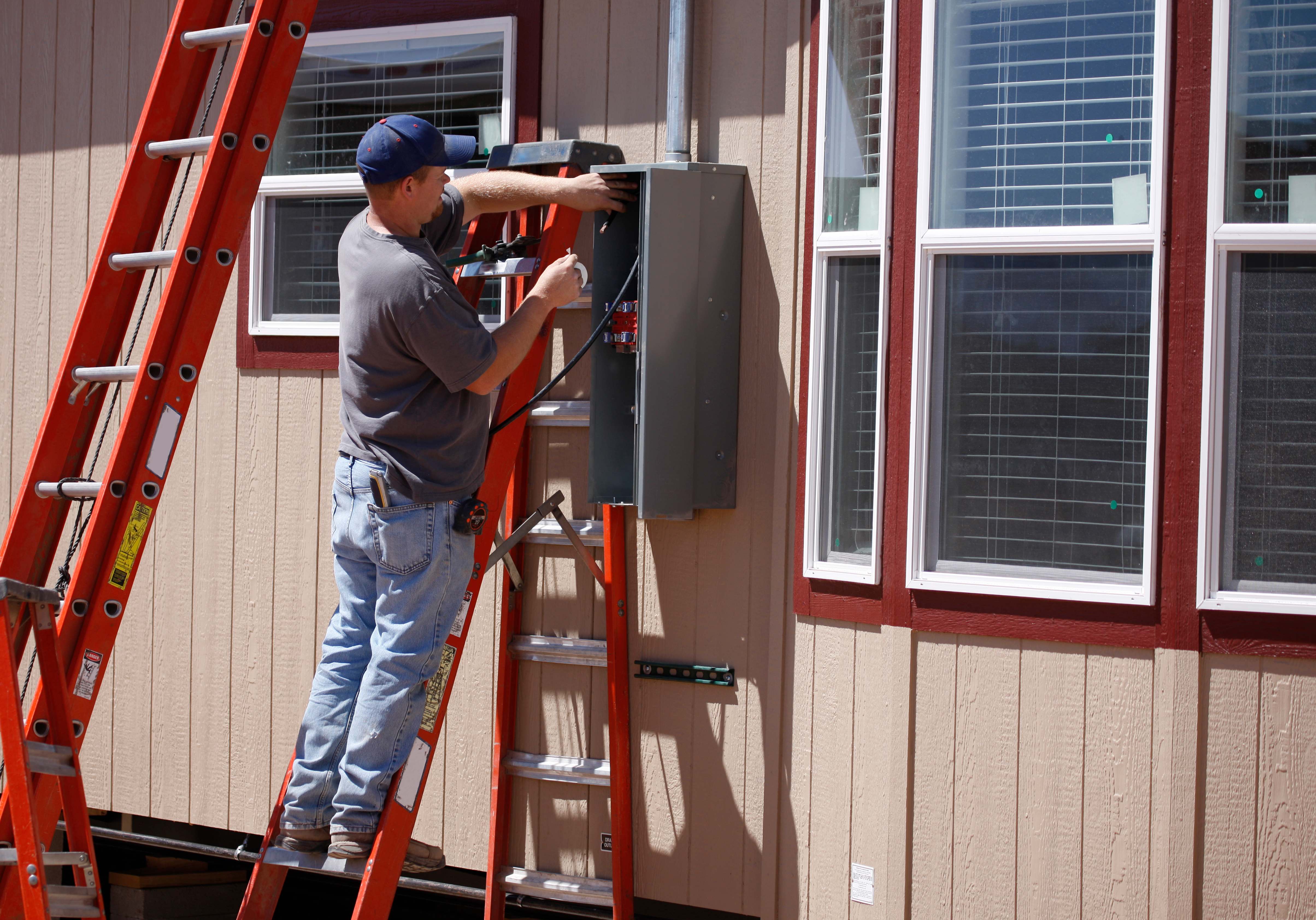

If you’re moving wires, installing new wires, or installing new fixtures in the space you’re insulating, then you will need to hire a licensed electrician to do that portion of the job for you. However, if you just intend on replacing old insulation or adding new insulation over existing insulation, then you don’t need to hire one. Your insulation installer will work around wiring, fixtures, outlets, and switches, even if they’re installing fiberglass batts in the voids where wires run. However, you will need an electrician if you suspect a problem with your wiring during the insulation work.

Yes, most electric and automatic gates can be opened manually. They are equipped with a manual override or release mechanism that detaches the motor from the gate, allowing it to be moved by hand. This feature is essential during power outages or other emergencies.

To activate the manual override, you will typically need a specific key or tool. In some cases, you may also need a screwdriver to remove a cover to access the release mechanism. The use of a key is a common security measure to prevent unauthorized individuals from manually opening the gate.

Because every model is different, it is highly recommended to consult your gate's user manual to familiarize yourself with the specific procedure before you need to use it. Keep any necessary keys or tools in an accessible location. Be aware that automatic gates can be very heavy, so opening and closing them manually may be difficult.

In North America, electric gates are also subject to the UL 325 Standard for Safety, which includes provisions to allow emergency responders to access the property.

The Villanova, PA homeowners’ guide to electrical services

From average costs to expert advice, get all the answers you need to get your job done.