Top-rated radon detection and reduction specialists.

Get matched with top radon detection and reduction specialists in Loyalsock, PA

Enter your zip and get matched with up to 5 pros

Need a pro for your radon detection and reduction project in Loyalsock, PA?

Select your specific project to find the pro for you.

Find Radon detection and reduction specialists in Loyalsock

Avatar for C&S Home Inspections
C&S Home Inspections
4.8(
59
)
Radon Gas - AbatementRadon Gas - Testing

Serving Loyalsock, PA and surrounding areas

Approved

In business since 2017

Free estimates

Customers say: Quick response

"I would definitely recommend C&S home inspections! I had a Radon Mitigation system installed and had nothing but a positive experience. They are extremely knowledgeable and friendly. They explained everything I needed to know thoroughly, which is important to me. Their prices are also the best have seen in my area. If you need a Radon Mitigation System, I highly recommend."

House Inspection
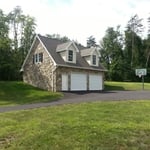
Detached garage
Response time2 days
Response rate96%
1 neighbors recently requested a quote

Radon Detection and Reduction questions, answered by experts

Installing a mitigation system reduces radon levels, which can cause lung cancer, providing peace of mind and long-term health benefits. It can also increase your home’s value, as many buyers prefer properties with radon safety measures in place. The investment is relatively low compared to the potential health risks associated with prolonged radon exposure.

No level of radon is technically safe, but since it is naturally present everywhere, it is impossible to avoid entirely. The average radon level in homes across the United States is 1.3 picocuries per liter (pCi/L). The Environmental Protection Agency (EPA) recommends taking action to reduce radon levels if your home's test results are between 2 and 4 pCi/L or higher.

Your radon fan needs to operate 24/7 to be effective. The only time the fan isn't operating is during its replacement. Radon levels in the home can increase within hours if the fan stops working or something obstructs the stack vent. Fortunately, radon systems require no downtime maintenance between fan changes.

You'll need to test your home for radon after installing the mitigation system, then again every two years. If radon remains elevated, contact a licensed radon professional, either the contractor who installed the system or a different one, and have them evaluate the system. They may need to make some changes to improve its effectiveness and performance.

Keeping radon from getting into your home is much better than having to get rid of it once it's already indoors. While there may not be a way to fully prevent radon from getting into your home, there are things you can do to reduce the gas's ability to enter. 

Sealing foundation cracks and openings can help keep the gas from seeping inside. Improving air flow, such as by opening windows, can also be helpful. If you're building your home from scratch, talk to your contractor about using radon-resistant construction to keep the gas out.

The Loyalsock, PA homeowners’ guide to radon detection and reduction services

From average costs to expert advice, get all the answers you need to get your job done.