

Top-rated radon detection and reduction specialists.

Get matched with top radon detection and reduction specialists in Kelly, PA

Enter your zip and get matched with up to 5 pros

Need a pro for your radon detection and reduction project in Kelly, PA?

Select your specific project to find the pro for you.

Find Radon detection and reduction specialists in Kelly

Avatar for C&S Home Inspections
C&S Home Inspections
4.8(
59
)

Serving Kelly, PA and surrounding areas

Approved

In business since 2017

Free estimates

Customers say: Quick response

"I would definitely recommend C&S home inspections! I had a Radon Mitigation system installed and had nothing but a positive experience. They are extremely knowledgeable and friendly. They explained everything I needed to know thoroughly, which is important to me. Their prices are also the best have seen in my area. If you need a Radon Mitigation System, I highly recommend."

House Inspection
Detached garage
2 neighbors recently requested a quote
Recommended by96%of homeowners
Avatar for CSI Home Inspections, LLC
CSI Home Inspections, LLC
5.0(
5
)

Serving Kelly, PA and surrounding areas

In business since 2021

Free estimates

Small jobs welcome

"Shawn was great! Came into my home and helped me answer many of my questions that another company did not which was Green Solutions! Again I am one satisfied customer!!"
Hidden Rot
New roof
Water Damage
Water Damage
Water Damage

+7

Response time3 hrs
Recommended by100%of homeowners
Radon Detection and Reduction questions, answered by experts

No level of radon is technically safe, but since it is present everywhere, complete avoidance is impossible. The average radon level in homes across the United States is 1.3 picocuries per liter (pCi/L). The Environmental Protection Agency (EPA) recommends taking preventative measures if your home's radon levels are between 2 and 4 pCi/L or higher.

Options include sub-slab depressurization, crawlspace ventilation, and sealing cracks. Choose based on home construction and radon levels.

Radon enters your home when warm air begins to rise and exits through the roof, creating a vacuum that pulls cooler air from under the foundation. Part of that air is radon, which is an invisible, odorless gas that develops naturally when radioactive particles are deep within the ground. Those particles usually come from decaying matter in soil and rocks.

No level of radon is technically safe, but since it is naturally present everywhere, it is impossible to avoid entirely. The average radon level in homes across the United States is 1.3 picocuries per liter (pCi/L). The Environmental Protection Agency (EPA) recommends taking action to reduce radon levels if your home's test results are between 2 and 4 pCi/L or higher.

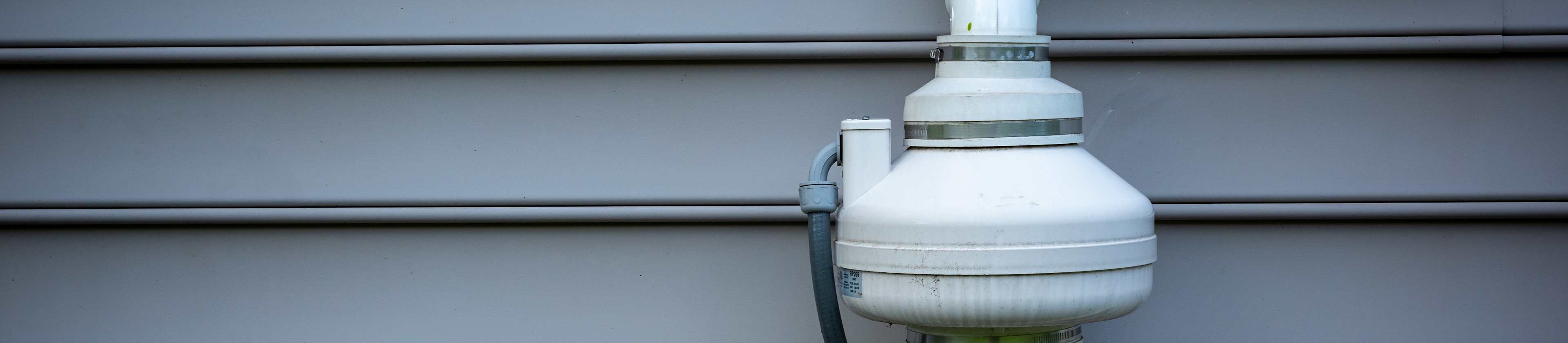
The lifespan of a radon mitigation system depends on the type of system and its maintenance. With proper care, a system can last for many decades. Passive systems tend to last longer as they have fewer components that require replacement. Active systems, which have more moving parts like fans, generally have a shorter lifespan. For instance, water filtration devices and active pressurization systems require more frequent maintenance. While the system as a whole is durable, the radon fan in an active system typically has a lifespan of 5 to 10 years and will need to be replaced. As long as the fan is working, the mitigation system should function correctly.

The Kelly, PA homeowners’ guide to radon detection and reduction services

From average costs to expert advice, get all the answers you need to get your job done.