
Top-rated radon detection and reduction specialists.

Get matched with top radon detection and reduction specialists in Cogan Station, PA

Enter your zip and get matched with up to 5 pros

Need a pro for your radon detection and reduction project in Cogan Station, PA?

Select your specific project to find the pro for you.

Find Radon detection and reduction specialists in Cogan Station

Avatar for C&S Home Inspections
C&S Home Inspections
4.8(
59
)
Radon Gas - AbatementRadon Gas - Testing

Serving Cogan Station, PA and surrounding areas

Approved

In business since 2017

Free estimates

Customers say: Quick response

"I would definitely recommend C&S home inspections! I had a Radon Mitigation system installed and had nothing but a positive experience. They are extremely knowledgeable and friendly. They explained everything I needed to know thoroughly, which is important to me. Their prices are also the best have seen in my area. If you need a Radon Mitigation System, I highly recommend."

House Inspection
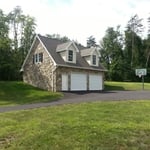
Detached garage
2 neighbors recently requested a quote

Recommended by96%of homeowners
Radon Detection and Reduction questions, answered by experts

Your radon mitigation system may be loud because it’s time to replace it. Any sounds are usually from the inline fan that helps create the vacuum and resulting airflow. If you hear a new, loud mechanical or humming noise from your radon fan, it might be time to replace it. Most fans used in radon mitigation systems last up to 10 years, but may need to be replaced sooner.

Testing every 2-5 years or upon adjusting occupancy or structural changes maintains safe environments.

The cost to replace a radon fan ranges from $300 to $600 for the fan itself, with installation adding an additional $200 to $500. Overall, the total cost for replacement can range from $500 to $1,100, depending on factors such as the fan model, home size, and local labor rates. If the fan is part of a larger radon mitigation system, the price may be higher.

No level of radon is technically safe, but since it is present everywhere, complete avoidance is impossible. The average radon level in homes across the United States is 1.3 picocuries per liter (pCi/L). The Environmental Protection Agency (EPA) recommends taking preventative measures if your home's radon levels are between 2 and 4 pCi/L or higher.

No, air purifiers are not an effective way to reduce or remove radon. Radon is a radioactive, inert gas that cannot be filtered by standard air purifiers, which are designed to capture particulates like dust and mold. While an air purifier can improve indoor air quality by removing other pollutants, it should not be relied upon for radon. The only effective solution for high radon levels is a dedicated radon mitigation system.

The Cogan Station, PA homeowners’ guide to radon detection and reduction services

From average costs to expert advice, get all the answers you need to get your job done.