




Top-rated drywall pros.

Best drywall pros near Locust, PA

Enter your zip and get matched with up to 5 pros

Need a pro for your drywall service project in Locust, PA?

Select your specific project to find the pro for you.

Top-Rated Drywall pros in Locust - Updated Nov 2026

John's Small Jobs Services
3.4(
54
)
Drywall - InstallDrywall - Repair

Serving Locust, PA and surrounding areas

Approved

In business since 2017

Free estimates

Customers say: Quick response

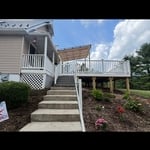
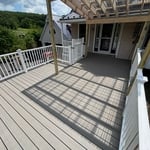
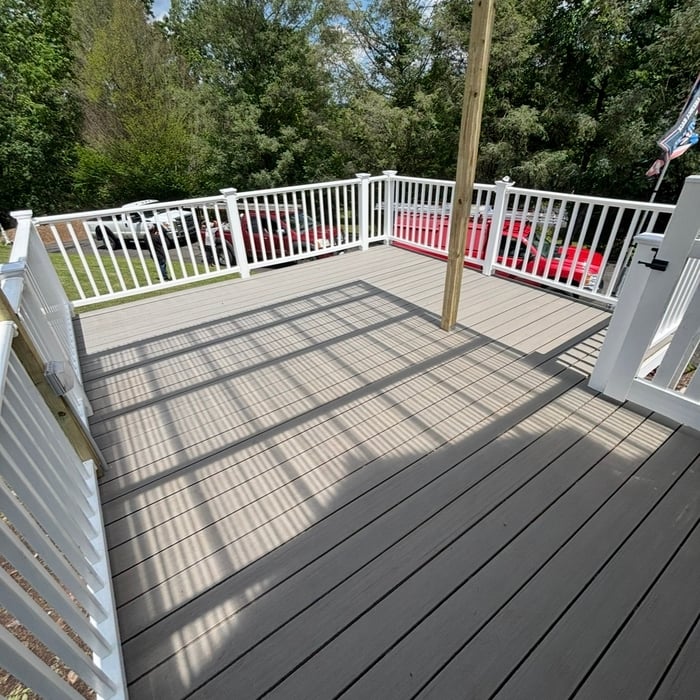
"Very pleasant and easy to work with. It took some time to get started because of other projects, but work went quickly once started. The company sent the wrong color composite material and we didn't catch the error before it was installed. John and his crew fixed the mistake at his cost and without hesitation! The porch was finished and exactly what we wanted in no time. I will definitely look to John for any future work needed because of the craftsmanship and customer service."
Response time1 day
Response rate90%
154 neighbors recently requested a quote

Avatar for J&J PRO SERVICES, LLC
J&J PRO SERVICES, LLC
5.0(
10
)
Drywall - InstallDrywall - Repair

Serving Locust, PA and surrounding areas

In business since 2022

Free estimates

Offers commercial services

With several years experience, we work hard to bring each customer the best possible service and quality available. We look forward to working with you on your next project. We welcome your questions and thank you for your interest. Call today!

Avatar for PatchMaster
PatchMaster
4.8(
4
)
Drywall - Install - For BusinessDrywall - Repair - For Business

Serving Locust, PA and surrounding areas

In business since 2020

Free estimates

Small jobs welcome

"I highly recommend PatchMaster. Damon was great to work with in diagnosing the problem and arranging the project, and Josh was a truly skilled craftsman in making our ceiling look better than new. (The options offered above for describing "service/project" are not very broad; our specific project was repairing sections of a living room ceiling that were peeling, and then painting entire ceiling to blend the color.) The job took days longer than estimated due to extra moisture in the air from a recent storm, but PatchMaster stayed with it until the result was perfect (and at no extra cost). Very professional company. Thanks, guys, for an excellent experience."
Response time10 mins
Recommended by75%of homeowners
Avatar for Thompson's Basement Waterproofing
Thompson's Basement Waterproofing
4.1(
226
)
Drywall - InstallDrywall - Install - For BusinessDrywall - Repair+1 more

Serving Locust, PA and surrounding areas

In business since 1999

Free estimates

Emergency services offered

"The work was messy but The crew was very hard working. The jackhammer hit a pipe under our sink. They came back to fix that. While the amount of water was drastically reduced in our basement, I will never feel secure enough to finish it. They have returned 4-5 times to troubleshoot the problem because their service has a lifetime guarantee. The last time they came (2 years after original job) they added another sump pump and redug one of the ditches. It seems to have helped but I still see a very small amount of water seeping through a few cracks in the floor. With two small kids in the house, it's exhausting to keep having service people in and out of your house. I'm not happy it took so many visits, but I think overall that they were fairly quick in responding to my calls and getting out to our house."
SUMP PUMPS
CRAWL SPACE AND REPAIR
FOUNDATION REPAIR
MOLD REMOVAL
Recommended by82%of homeowners
...
Showing 1-10 of 153
Drywall FAQs, answered by experts

Plastering and skimming are two different techniques for finishing walls. Plastering involves applying a thick layer of a plaster mixture—typically containing gypsum, lime, cement, sand, and water—to create a new surface. This process often requires multiple coats and is used for repairing significant damage or creating decorative textures. Skimming, on the other hand, is a technique that involves applying a thin layer of drywall compound or joint compound over an existing surface to smooth it out, covering minor imperfections, small cracks, or uneven textures for a polished look. Plastering is generally more costly and labor-intensive than skimming. Although some people use the terms interchangeably, they refer to different processes and materials.
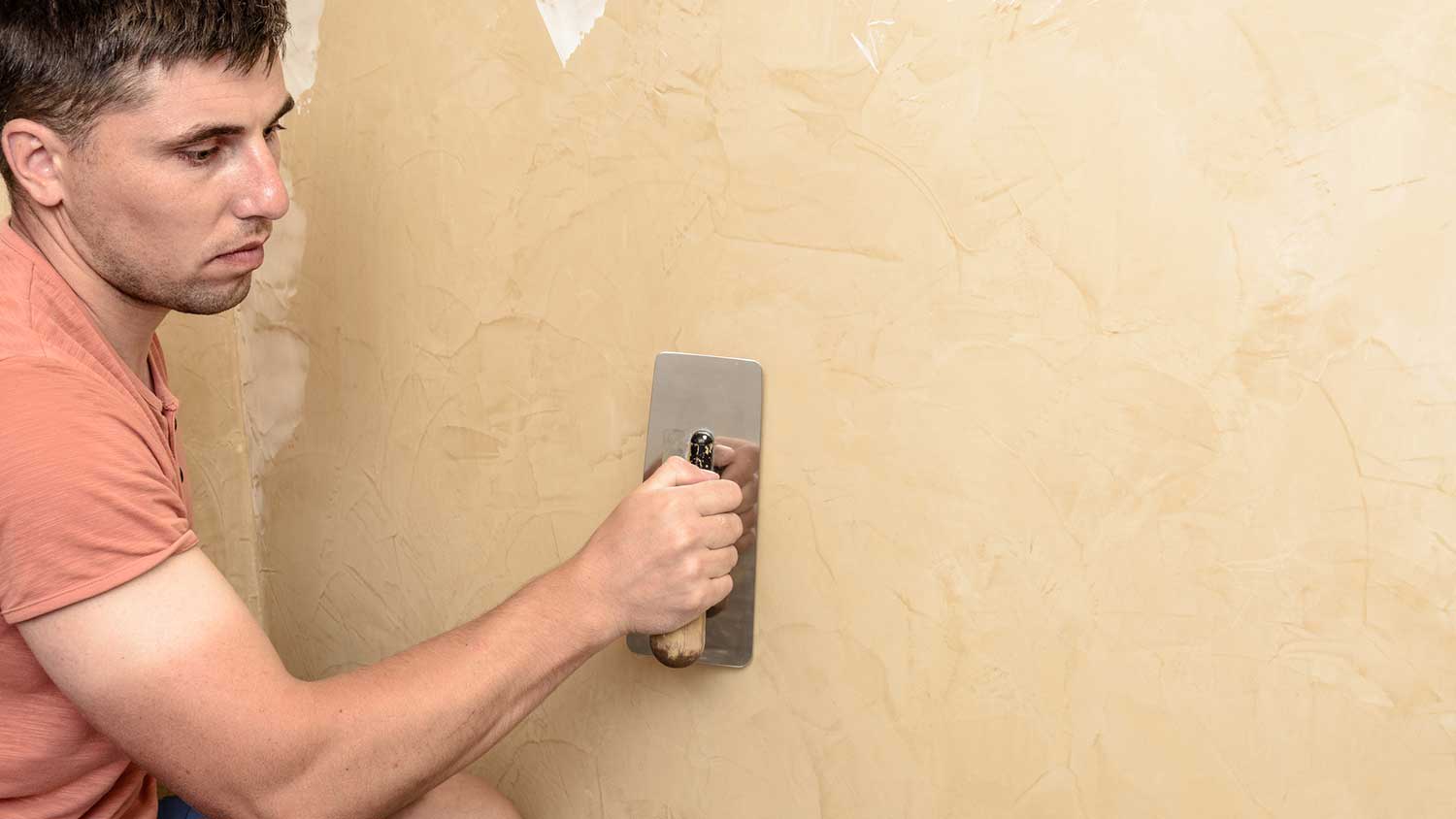
Although they have similar applications, spackle and joint compound are not the same. Their primary differences lie in their composition, consistency, and ideal use cases.

Spackle is composed of gypsum and binding agents, making it thicker than joint compound. It dries quickly and is easy to sand, which makes it ideal for small wall repair projects like filling nail holes or patching minor damage.

Joint compound, also known as drywall mud, consists of limestone and gypsum. It is primarily used for large-scale projects, such as taping and finishing the seams on newly installed drywall. It tends to shrink more than spackle and can be more difficult to spread.

While both products can be used to fill small depressions and cracks, spackle cannot replace joint compound for taping and mudding new drywall. Conversely, you can often use joint compound for small patching jobs typically done with spackle.

Fixing ceiling nail pops involves similar steps to wall repair, with the major difference being the orientation of the work. Ceiling nail pops can be more challenging because you may need to work overhead, which can be physically demanding and require additional safety precautions. Additionally, the ceiling may have different materials or finishes, such as textured surfaces, which can affect the repair process. Otherwise, the fundamental steps are the same.

If your home was built before the 1940s and was not remodeled in the past 50 or so years, you probably have plaster walls. Aside from assuming, there are some practical ways to tell if you have plaster walls, including the following: If you knock on the wall and it feels solid, not hollow, if you can’t insert a thumbtack easily, if there are cracks that look like spiderwebs, or if your home has curved, arched, or swirled walls, doorways, or window openings.

If you have an unfinished basement or attic, you could examine the backs of any finished walls to check, too.

You can put drywall mud over paint to even out the surface or entirely resurface it. Sand the surface with 280-grit sandpaper, vacuum the debris and dust with a shop vac, and clean it with a slightly damp cloth. Allow the surface to dry. Apply drywall primer, especially if you’re skim-coating an entire wall. Apply the right type of drywall mud over the surface and smooth it with a trowel. Allow the layer to cure fully, then sand it before applying another layer or painting it.

The Locust, PA homeowners’ guide to drywall services

From average costs to expert advice, get all the answers you need to get your job done.