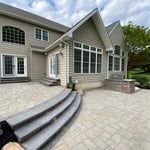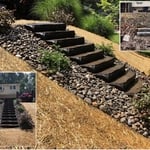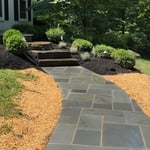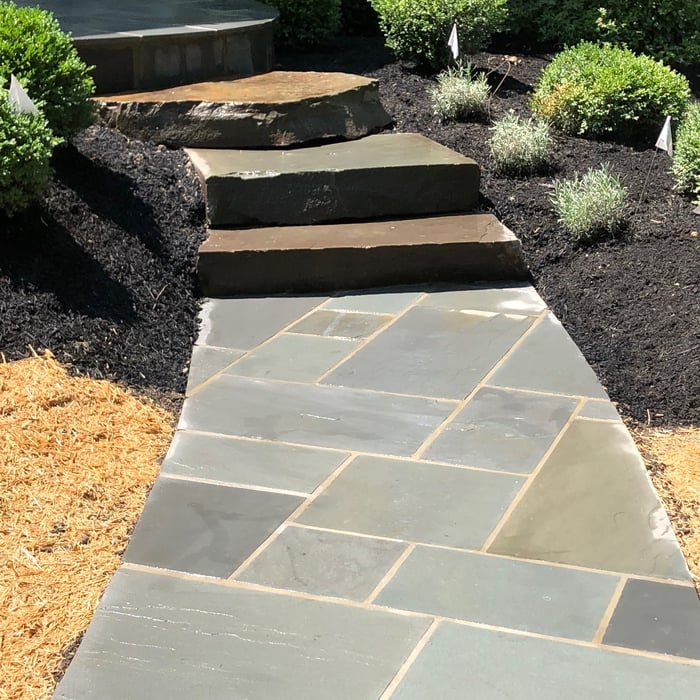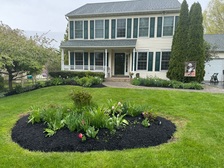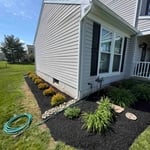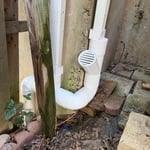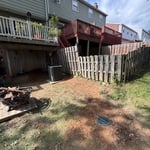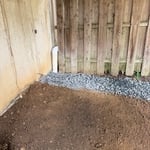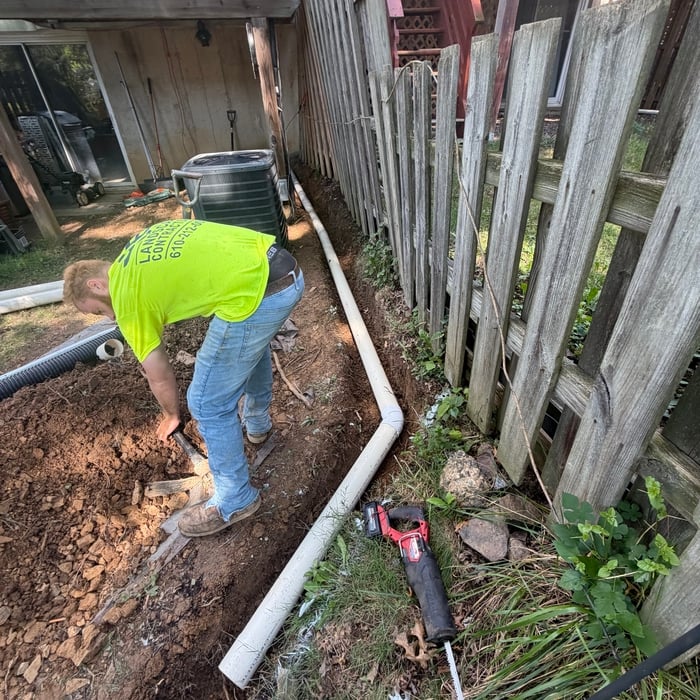

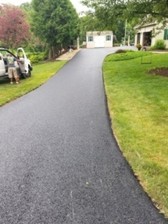



"We contacted Pierce L. Shallis Landscaping after doing some research and reading online reviews. We needed landscape remediation as water was building up in the front side of our house (during heavy rain) and wanted a new flower bed as well. I contacted them and they got back to me right away. Pierce came out to take a look and after talking to him, I was confident he had the expertise to do the work. To no surprise, he and his crew did a fantastic job. I defaulted to his opinion about what plants would look great in the flower bed. My only request was a small Japanese maple. The communication was great from start to finish. I would highly recommend this company to anyone as they are both knowledgeable and professional. When hiring Pierce L. Shallis, you will have peace of mind that they will get the job done right."

"I highly recommend Fabiano's Construction. Our experience with him was fantastic from beginning to end. The project was to restore and replace the exterior window frames of our 1830 Trinity. The previous owners had installed new windows on the inside but left the old ones outside for beauty. Many of these old windows were completely rotten at the bottom, barely holding the small panes of glass together. We got three estimates. One builder wanted to replace the old windows with a second set of new ones. Another was going to patch them up with wood filler. Fabiano was the only one who was willing to actually restore them, using green wood for the parts that were beyond salvaging. It was precision carpentry work requiring problem-solving ingenuity. The new frames and sills are green wood plus Azek (PVC), so they should last forever. Although more major restoration was necessary than foreseen, Fabiano and his crew—his son Will and assistant Simon—still finished the job in the predicted time. They were careful, focused, hard-working, and also really nice, honest people. It was a pleasure to meet them, and the result is a stunning improvement to our house both inside and out. Fabiano is responsive and friendly, an expert who takes pride in his work. Incredibly, his price was the lowest the three. We plan to hire him for another project."
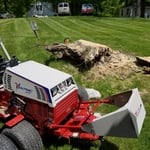
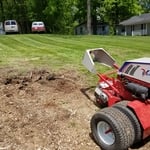
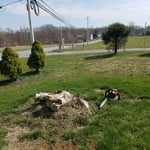
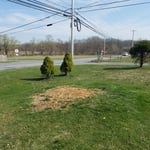
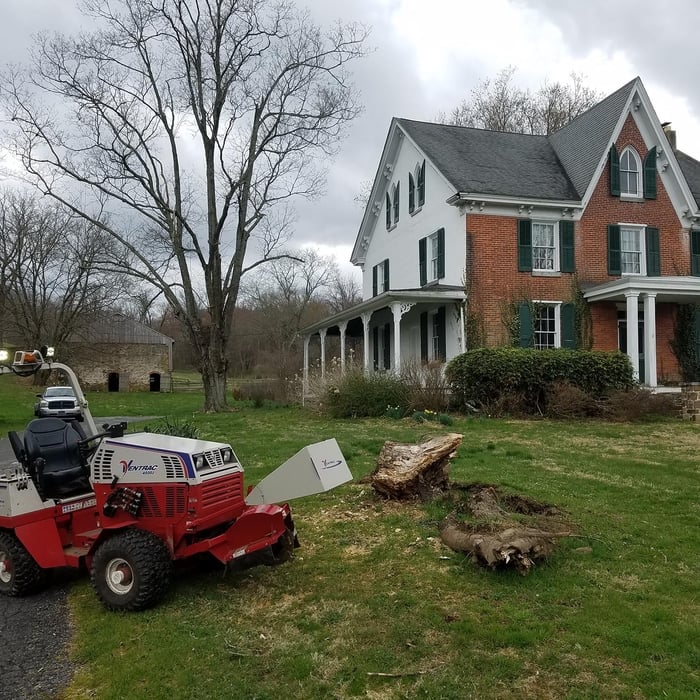
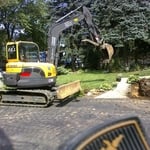
"We had an urgent job with a large broken tree branch in our front yard. We also had 3 tree stumps requiring removal, but we delayed removal because of fear the equipment would damage our lawn. Blue Cord has light equipment that removed the stumps without damaging our ground. Highly satisfied with the end results."
With several years experience, we work hard to bring each customer the best possible service and quality available. We look forward to working with you on your next project. We welcome your questions and thank you for your interest.
"I cannot recommend this excavation service highly enough. From start to finish, the experience was exceptional. Max was an absolute pleasure to work with—professional, friendly, and incredibly knowledgeable. His work is impressively precise and efficient. Every detail was handled with care and expertise. It’s rare to find someone so reliable and dedicated to doing the job right the first time. If you’re looking for top-tier excavation work and a seamless process, this is the team to go with. Max truly sets the standard."
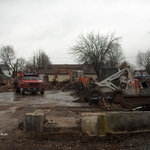
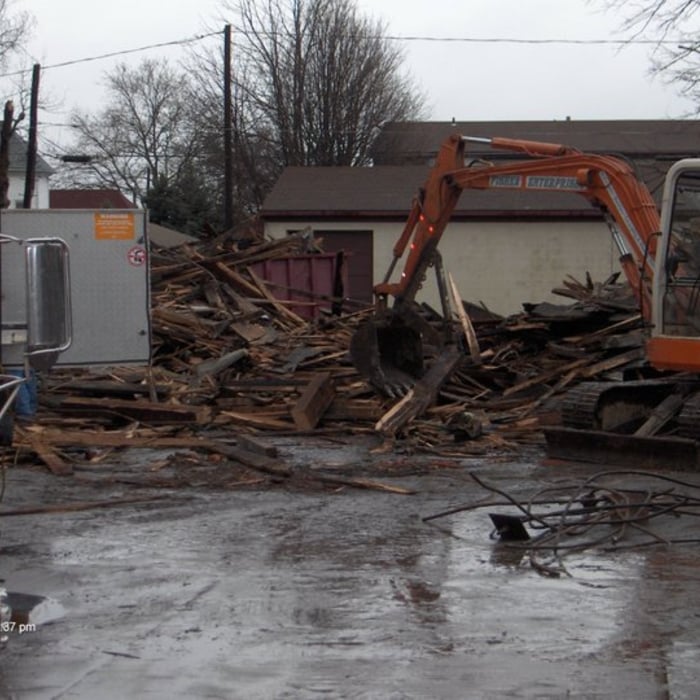
"We hired the Davis remodeling company in June to rid our property of a tremendous amount of yard debris. Larnell was quick to respond and came out promptly for an estimate. He did an amazing job, which was not easy on an extremely hot day! Estimate was reasonable and would definitely recommend! He is also a very nice and professional person!"
Depth is not a qualifying component of evacuation. Any human-made cut, cavity, or depression in the earth’s surface is considered excavation. The hole from excavation can be any size, shape, or depth. Excavation is used to create foundations, reservoirs, drainage ditches, and roads. Long, narrow excavations are called trenches and are often used for underground utilities.
Trenches are typically 12 to 24 inches deep and 8 inches wide. However, the required depth depends on the specific project and local ordinances. For example, a French drain may need to be 18 inches deep, while a water pipe might require a depth of 24 inches and a drainage pipe 36 inches. Your city or county may have specific regulations, so it's wise to consult with an excavation professional to determine the correct depth for your project.
There is no standard depth for burying a septic tank; they are typically buried anywhere from 4 inches to 4 feet underground. The final depth depends on several factors, including the depth of your main sewer line, the height of the bedrock, soil type, local regulations, and the property's landscape. If you plan to grow grass or plants over the tank, a depth of at least 4 to 6 inches is recommended. Deeper tanks can be more difficult to locate, but a septic professional can help find it for you.
Septic drain lines (or leach lines) are typically buried between 18 and 36 inches underground, and should be at least 6 inches below the surface. These pipes are perforated and surrounded by filtering materials like sand or gravel. Burying the lines at this depth helps minimize odors and allows bacteria and other biological processes in the soil to effectively treat the wastewater. Burying lines too close to the surface can cause issues unless the soil is very compact and stable.
Tree experts don’t advise against digging through tree roots, but instead encourage caution and consultation with a local arborist to make sure you don’t damage the tree’s structure or interrupt its water or nutrient intake. An arborist can recommend specific practices when digging and help prune the roots or dig a trench for utilities with a tool that can remove soil without touching the tree’s roots.
The Glenmoore, PA homeowners’ guide to excavation services
From average costs to expert advice, get all the answers you need to get your job done.
Discover the average excavation cost in Philadelphia, PA. Learn what you can expect to pay for local excavation services and prepare your property for building.
Excavation costs $1,500 to $6,300 for most residential projects—but it depends on factors like the size of the area. This guide will help you plan a budget.