


Top-rated drywall pros.

Get matched with top drywall pros in Freeport, PA

Enter your zip and get matched with up to 5 pros

Need a pro for your drywall service project in Freeport, PA?

Select your specific project to find the pro for you.

TRUSTED BY FREEPORT, PA HOMEOWNERS

  • Average homeowner rating star icon5
    Average homeowner rating
  • Verified reviews icon31
    Verified drywall services reviews

Find Drywall pros in Freeport

Summit General Contracting and Development
New to Angi
Drywall - Install - For BusinessDrywall - Repair - For Business

Serving Freeport, PA and surrounding areas

Approved

Summit General Contracting & Development is a full-service residential and commercial contractor serving Westmoreland County and surrounding areas. From interior and exterior painting and flooring to remodeling, drywall, carpentry, demolition, repairs, and property improvements, we handle projects from start to finish with quality workmanship and attention to detail. Whether you’re updating a single room, renovating an entire property, or tackling a commercial project, Summit is built to get the job done right.

Avatar for RedLine Contracting
RedLine Contracting
4.6(
48
)
Drywall - InstallDrywall - Install - For BusinessDrywall - Repair+1 more

Serving Freeport, PA and surrounding areas

In business since 2018

Free estimates

Warranties offered

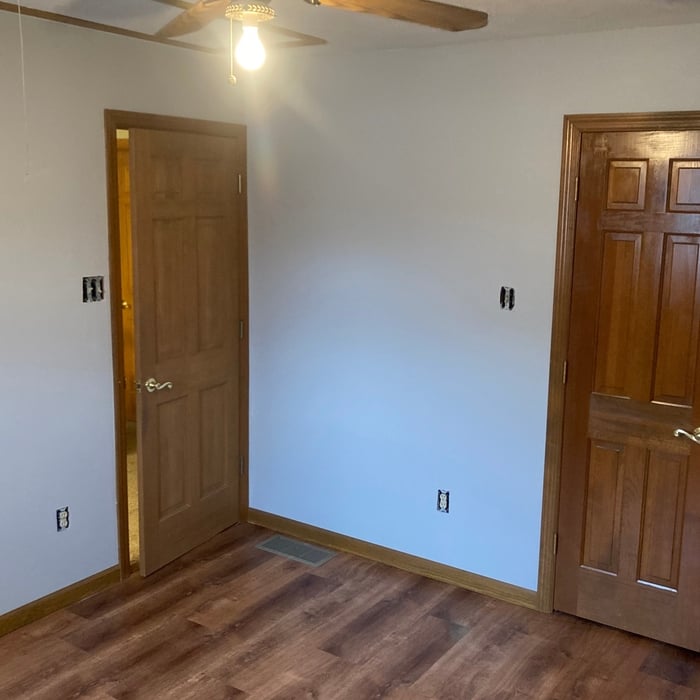
"It was excellent. Contractor arrived on time, did the work as he'd said he would and meticulously cleaned up after himself. There were no surprises. And the drywall patch looks terrific. I will use this contractor again."
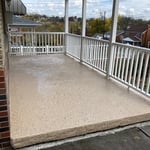
Exterior Handrail
After
After
After
After

+136

Response time1 day
Response rate99%
Recommended by79%of homeowners
Avatar for Rock-A-Fellas Co Inc
Rock-A-Fellas Co Inc
4.5(
23
)
Drywall - InstallDrywall - Install - For BusinessDrywall - Repair+1 more

Serving Freeport, PA and surrounding areas

In business since 2003

Credit card accepted

"Can you say amazing job. They effortlessly  constructed a 10' x14' stone pad in a backyard that has a large amount of buried bricks and stone from when the home was built. The completed stone pad was definitely professional in appearance; the measurements were as requested, and the grey composite capping, meant to protect the perimeter wood as explained by Bob and  although an extra cost, further enhanced the appearance of the pad.The sheduling of the job was very swift, less than a week from the time we first talked during an informative free estimate. Their punctuality was on the money. On the day of the job, they arrived at 9am as scheduled and the whole job was completed including clean-up by a few minutes before noon. Outstanding! Pricing matched the estimate exactly and well worth the quality of work provided. Bob and his staff were professional and courteous at all times. Thank you Bob and crew. Will definitely hire again."
Additional Photos
Additional Photos
Additional Photos
Additional Photos
Additional Photos

+14

Recommended by100%of homeowners
...
Showing 1-10 of 115
Drywall questions, answered by experts

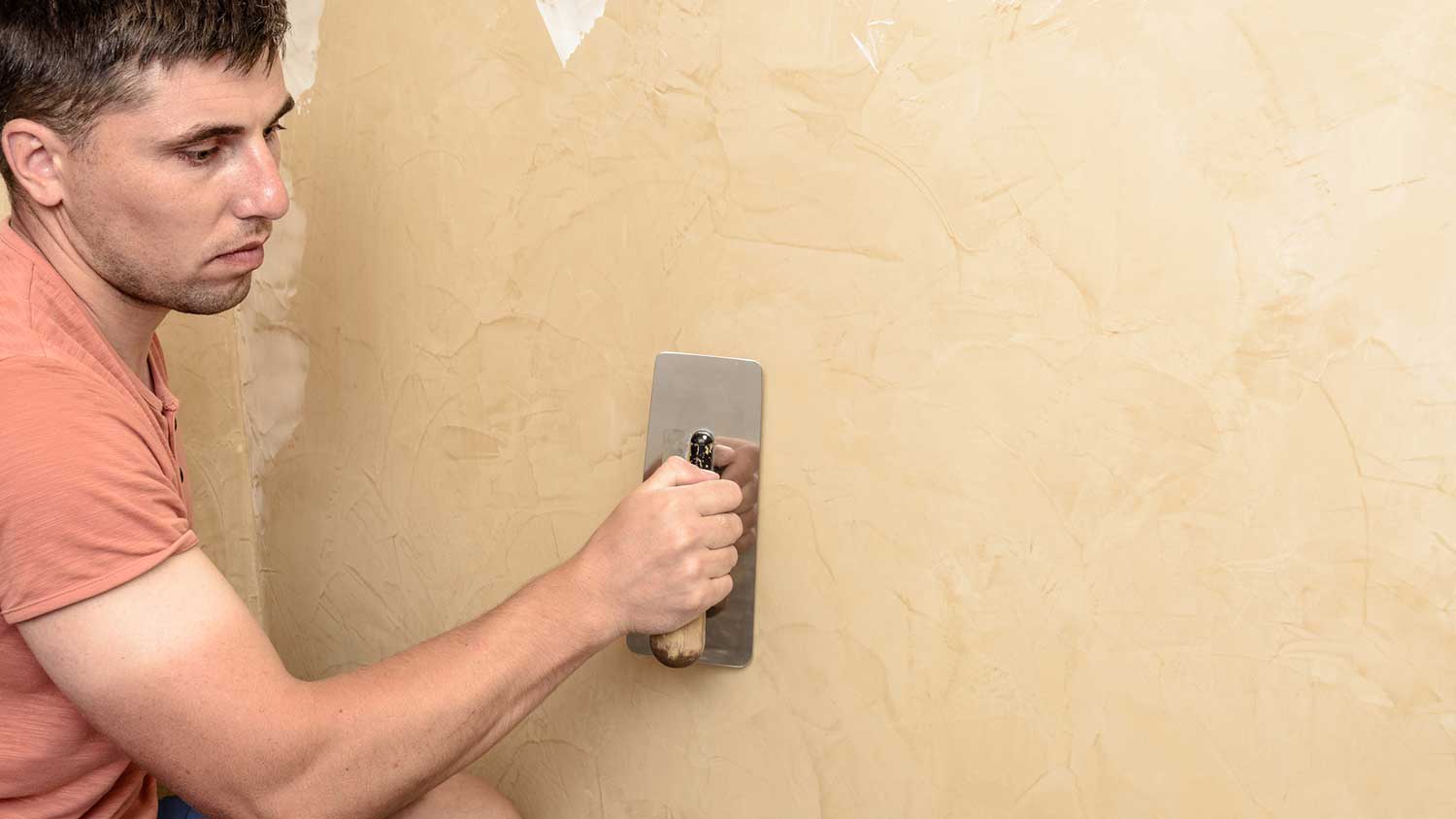
Plastering lasts for around 15 to 20 years without needing repairs or maintenance in most cases, and with proper upkeep, plastering can last a lifetime—sometimes more than 100 years. Plaster repair costs between $1 and $3 per square foot, and you may need these services once every 15 to 20 years or so unless you have a harsh climate where humidity changes are a constant issue. You can also opt to skim-coat plaster for between $0.90 and $1.30 per square foot, which may serve you better in the long run.

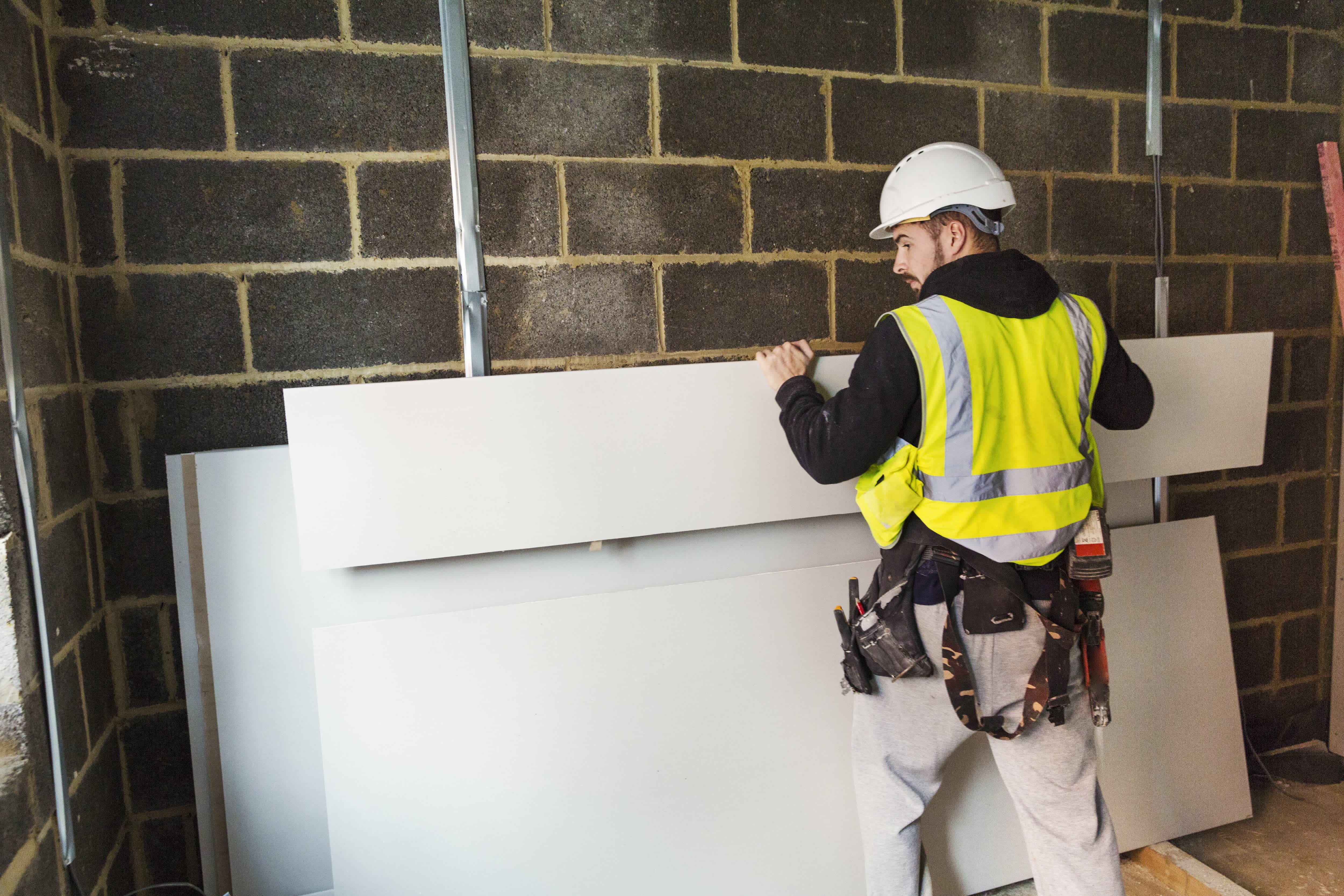
In framing, studs are placed at 16-inch intervals to coincide with the typical spacing of wall materials such as drywall or plywood. This spacing is called "on-center" and is necessary for maintaining structural stability and efficient use of materials. The 16-inch spacing also helps to distribute the weight evenly across the building's structure. For those looking to cut material costs and improve energy efficiency, 24-inch stud spacing can be employed through a method called "advanced framing". This requires careful planning and adherence to local building codes to ensure structural integrity.

Yes, it matters which side of drywall you use. One side is smooth, and the other is rough. The smooth side should be facing outward, toward the room, while the rough side should be hidden and facing the studs and framing of the house. The smooth side will be easier to apply tape, joint compound, and, later, paint to.

A nail in drywall cannot hold very much—usually only a few pounds. A nail in a stud can add support and hold around 20 pounds. If you are trying to hang something heavier, get some help from drywall anchors—toggle bolts are very strong and able to withstand more weight.

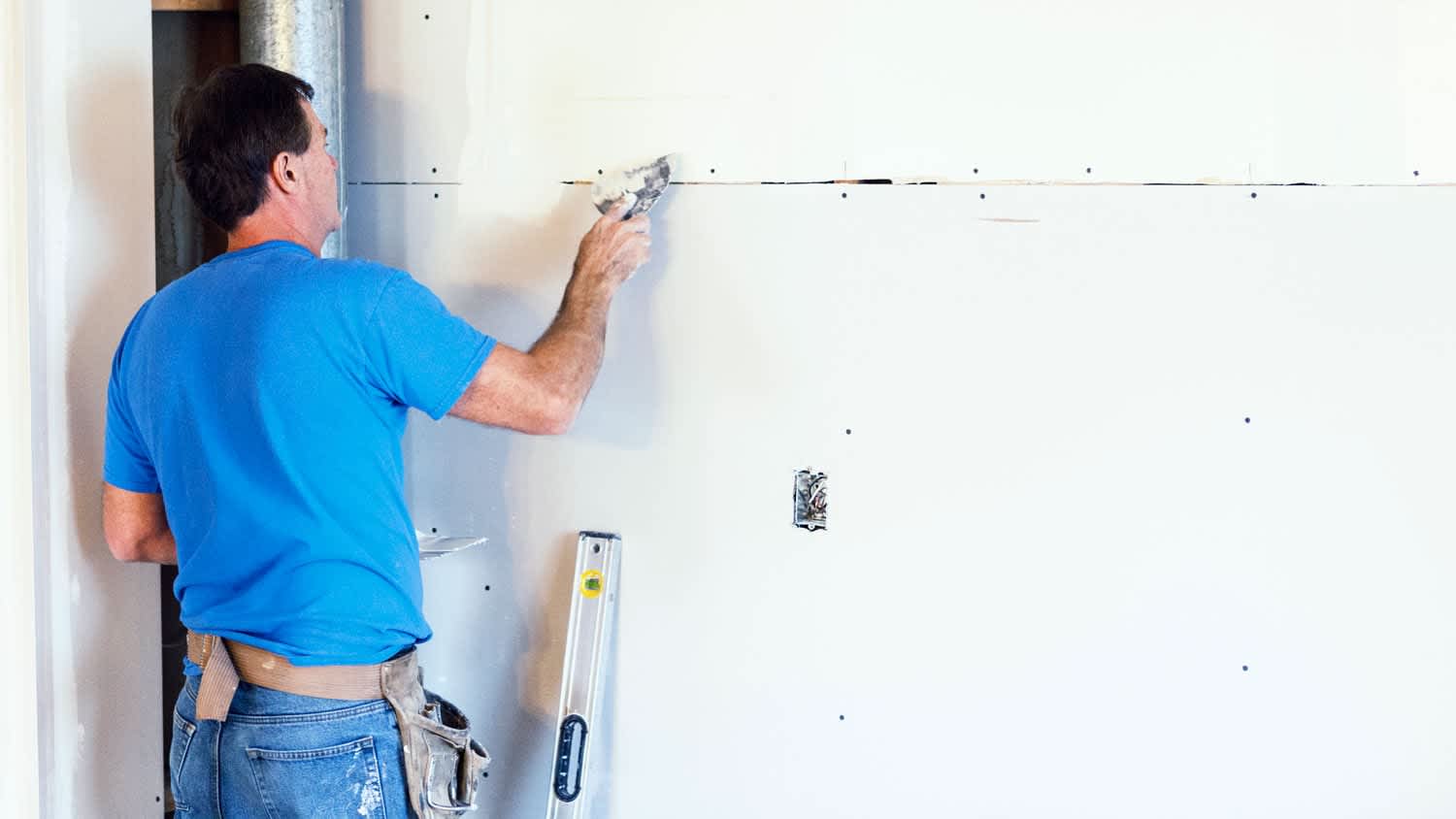
You should stagger drywall sheets to help prevent cracking. The joints between drywall sheets are the weak spots, so if you install drywall with seams aligned, you’ll create weak lines that run across the length of the wall and extend from floor to ceiling. But when you stagger drywall, the solid sections of panels will support the joints. This can prevent seams from cracking or separating due to fluctuating temperature and humidity, vibrations from movement inside the home, and gravity.

The Freeport, PA homeowners’ guide to drywall services

From average costs to expert advice, get all the answers you need to get your job done.