




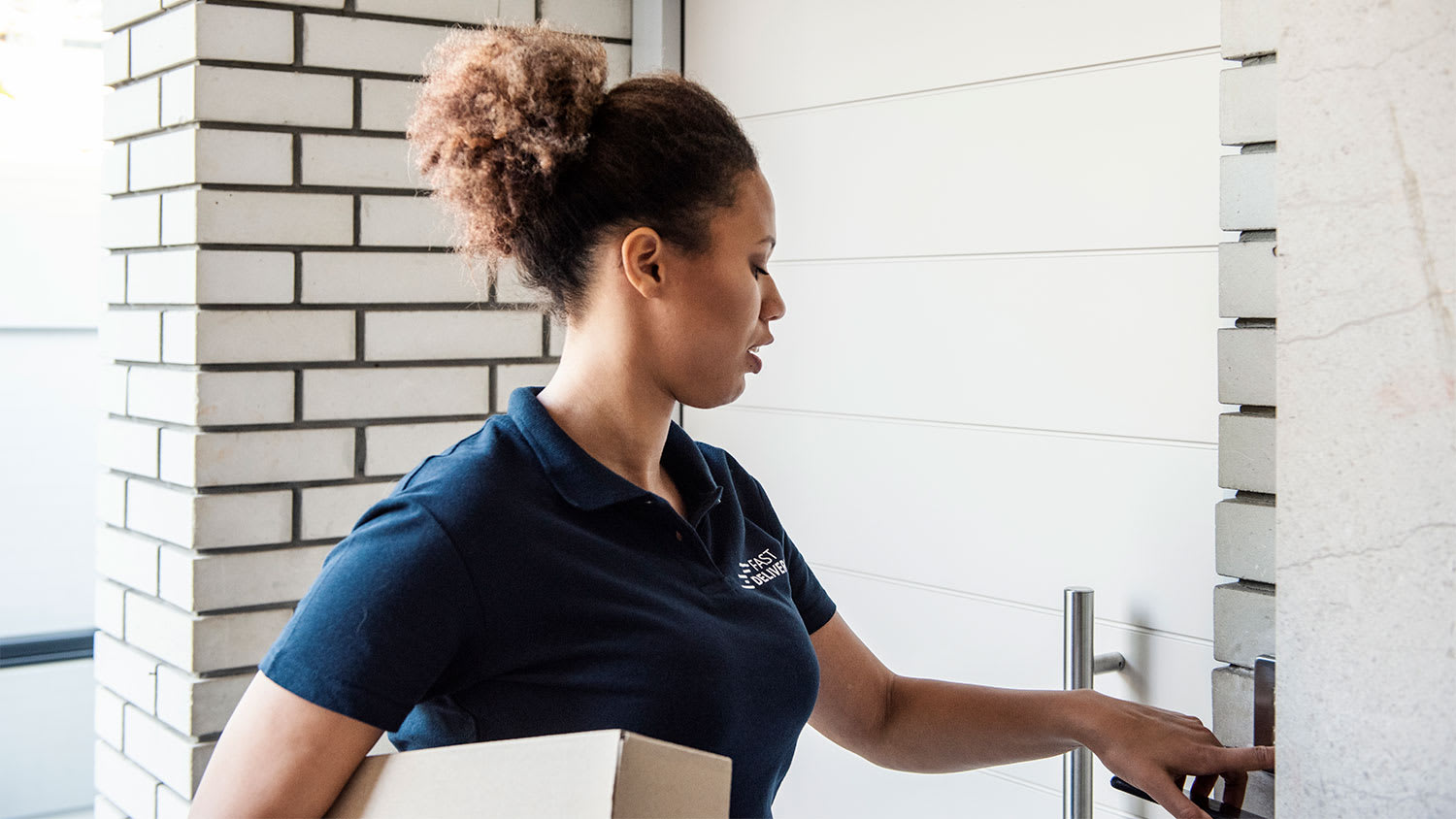
Top-rated doorbell installation pros.

Get matched with top doorbell installation pros in Export, PA

Enter your zip and get matched with up to 5 pros

Need a pro for your doorbell installation project in Export, PA?

Select your specific project to find the pro for you.

TRUSTED BY EXPORT, PA HOMEOWNERS

  • Average homeowner rating star icon4.5
    Average homeowner rating
  • Verified reviews icon651
    Verified doorbell installation services reviews

Find Doorbell installation pros in Export

No results for Doorbell installation pro in

Try adjusting your search criteria.
Doorbell Installation questions, answered by experts

Yes, you can install insulation behind drywall yourself, but only if your walls are not finished. If your studs are exposed, installing fiberglass insulation in roll or batt form is very straightforward and just requires a few tools and some safety equipment. If your walls are already finished and you’re looking to add insulation, it’s better to hire a professional, as you’ll likely need blown-in insulation, which can be dangerous to work with and a challenge to get into the proper areas in your wall voids.

Insulating your ducts offers several benefits, including:

  • Improved energy efficiency: Duct insulation prevents energy losses, reducing heating and cooling costs.

  • Cost savings: Lower energy bills make insulation a cost-effective investment.

  • Environmental benefits: Enhanced efficiency reduces your carbon footprint.

  • Consistent comfort: Insulated ducts help maintain a stable indoor temperature.

  • Better indoor air quality: Reduced allergens and pollutants improve air quality.

Yes, cold walls are a common indicator of poor or inadequate insulation, especially if the walls feel significantly colder than the air in the room. This suggests that heat from your furnace is escaping rather than being retained. The issue could be that the walls have no insulation, or that the existing insulation is old or has been damaged by water, moisture, or pests. Your best course of action is to hire a professional to investigate. An insulation contractor can determine if you need to add or replace insulation and can often perform the work without creating large holes in your drywall. If you suspect the problem might also be related to your heating system's performance, an HVAC technician can take a closer look.

On average, insulating an attic costs about $2,500, with a typical range of $1,500 to $3,500. The final price often depends on the attic's size, with costs generally falling between $1 to $3 per square foot. For example, insulating a 1,800-square-foot attic would likely cost between $1,800 and $5,400.

If the project involves removing old insulation, this can add an average of $900 to the total cost, bringing a full removal and reinsulation project to around $3,000.

Several factors influence the overall cost:

  • Insulation Type: Prices per square foot vary significantly by material.

  • Reflective: $0.50–$1.50

  • Blown-in: $1–$4

  • Batt: $2–$4

  • Loose-fill: $2–$5

  • Spray foam: $2–$5

  • Structural insulated panels (SIPs): $4–$7

  • Project Complexity: Factors like sealing air leaks, poor attic accessibility, and required inspections can add to the cost.

  • Removal Issues: The discovery of mold, asbestos, or pests during the removal of old insulation can substantially increase the price.

Blown-in insulation works, but only for unfinished attics. Also, it isn’t the longest-lasting nor the most effective option. For better options, look into spray foam insulation or natural fiber batts. They typically have a longer lifespan, better heat resistance, and stronger sound-proof abilities. Spray foam insulation costs about $1.25 to $1.50 per square foot, but can go up to more than $4 per square foot. Fiber batt pricing varies depending on the material.

The Export, PA homeowners’ guide to doorbell installation services

From average costs to expert advice, get all the answers you need to get your job done.