
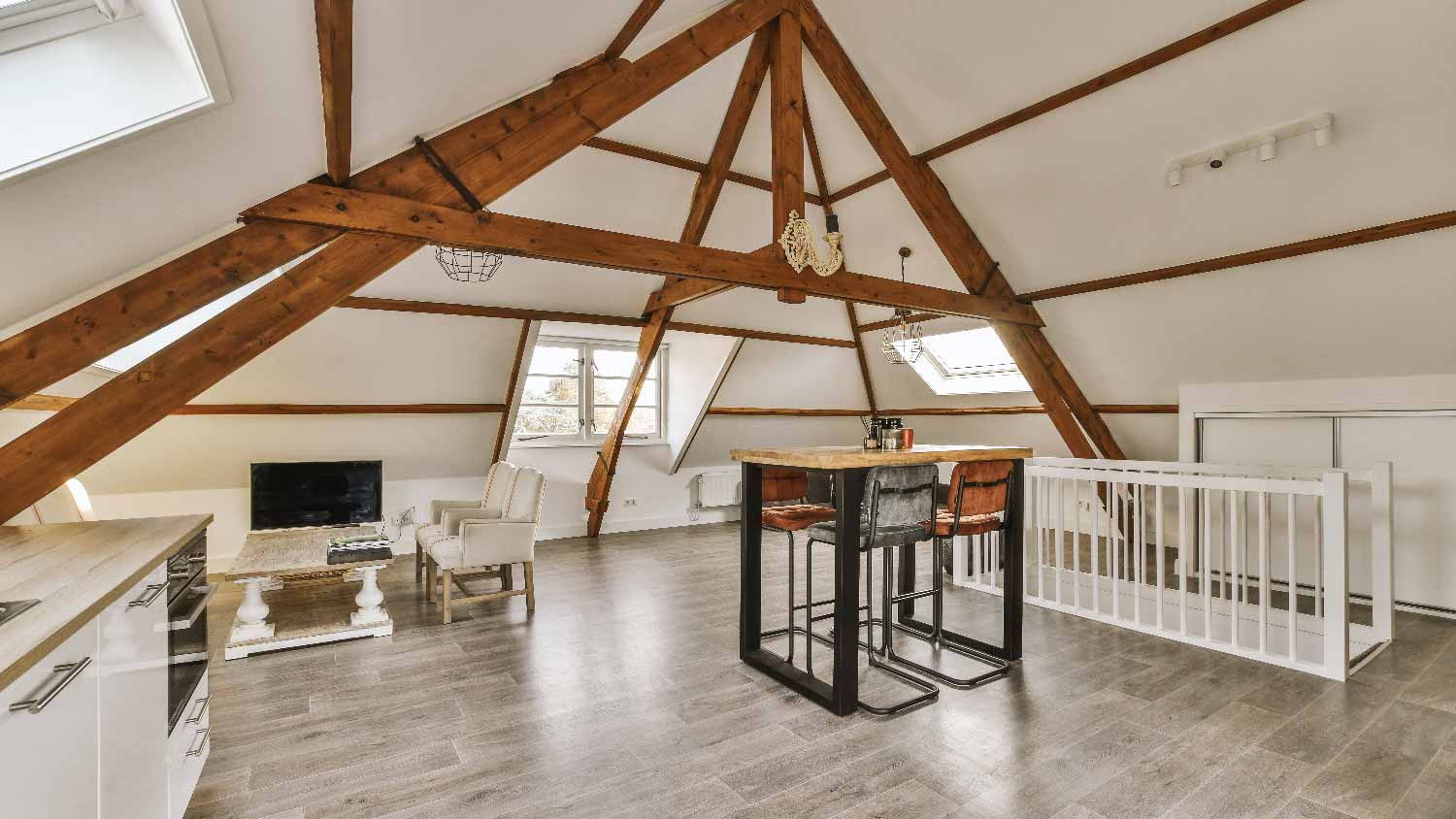
How much does a radiant barrier cost? Our guide breaks down prices by type of barrier and size of your attic space.
Keep the heat out of your home

Installing a radiant barrier in your attic insulation helps trap heat outside your home, keeping indoor spaces cooler and reducing your energy costs.
You need to declutter your attic before starting, creating a clear work zone by moving stored items away from walls to access rafters easily.
Measure from 3 inches below your roof peak to 3 inches above the floor, then cut and staple the radiant barrier material along rafters.
Hiring a local attic insulation professional removes the guesswork from measuring, cutting, and stapling, ensuring your radiant barrier installation keeps your home comfortable.
When a heatwave strikes, it can cause your home to feel like a sauna even with your HVAC system working hard. This is where radiant barriers come into play.
Radiant barriers are typically installed in the attic as a way to trap heat outside your home, saving you energy and keeping you cool. Installing radiant barriers does take a little bit of time to accomplish, so prepare to tackle this job over the weekend with a helping hand or two.
Difficulty: 3/5
Time: 6 to 10 hours
Tools and Materials Needed:
Step ladder
Staple gun
Radiant barrier
Utility knife
Tape measurer
Attics are typically used for storage, so you’ll need to spend some time turning that storage space into a work zone. Any items you had pushed up against the walls will need to be removed or at least moved to the center of the attic. This way, you’re not making the job more difficult than it needs to be.
Measure the length of the roof on one side. You’ll want to start about 3 inches below the peak of the roof. From there, you’ll follow the roof’s angle until you’re about 3 inches from the floor. This will make measuring out the radiant barrier easier and so you’re not wasting the product.
Using the utility knife, cut out the first piece of radiant barrier at the required length. Try not to step on or bunch up the radiant barrier while working it, as these little bunches can cause the sheet to shorten in length.
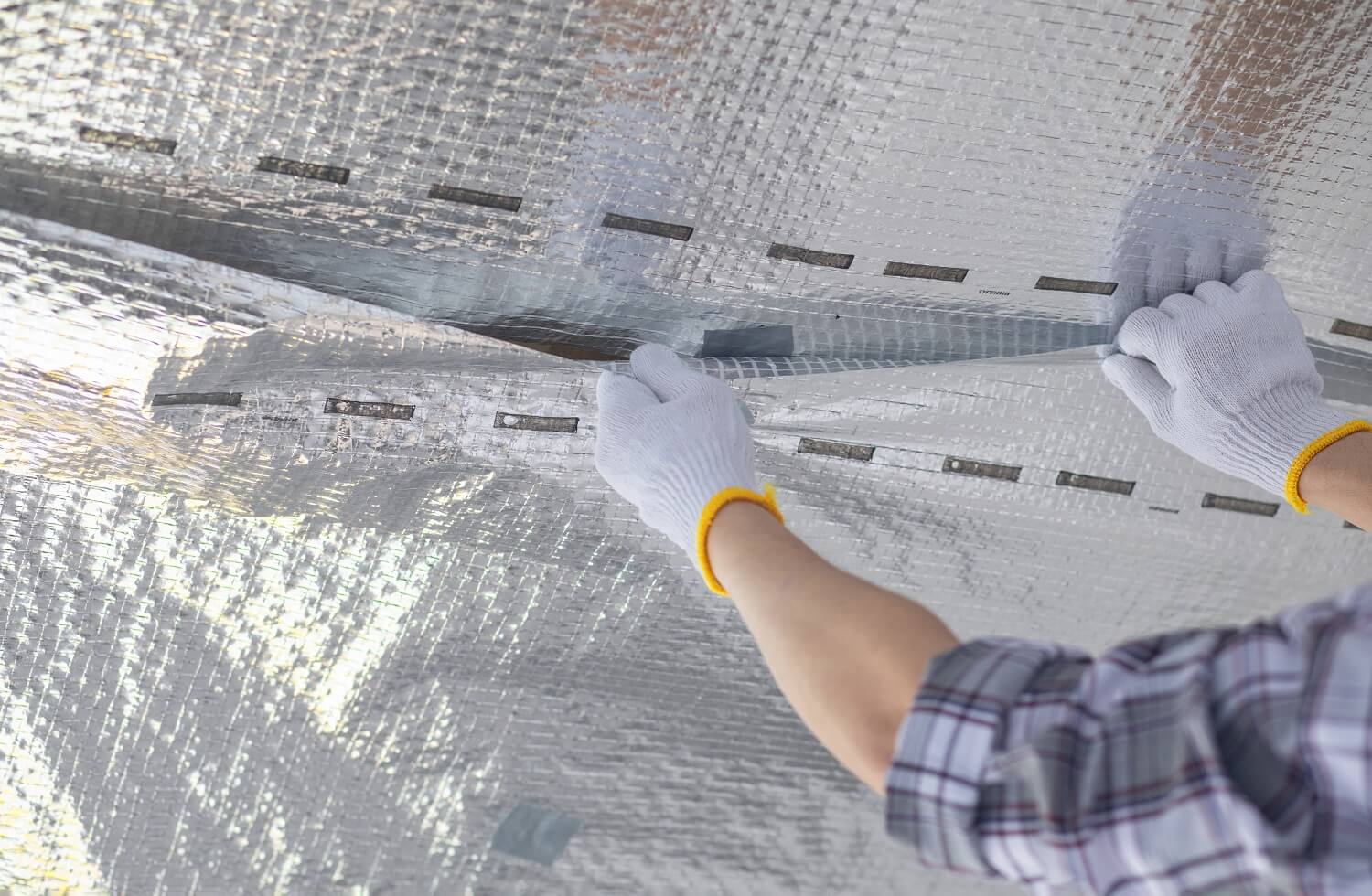
Staple the radiant barrier to the top of the rafters where you measured 3 inches from the roof. Work your way across the attic as you staple.
Once the radiant barrier is stapled to the top of the rafters, slowly move the bottom of the radiant barrier to the bottom of the rafter following the angle of the home. Staple the radiant barrier to the bottom.
In the event that you cut too short or you run out of the radiant barrier, overlap the material by about 2 inches and staple it into the rafters at that location. You may also want to do a second layer for optimal results.
Repeat these steps until you reach the wall plate (the vertical walls of the attic typically located at the front and back of the home). Continue the process on the other side until completed.

Stapling the material to your walls isn’t the only way you can keep your home cool.
Put the material on the floor rather than the roof. Though, this means you can’t use your attic as a living space or storage space anymore.
All you need to do is lay the material over the insulation and floor joists and staple it down. Be sure to cut out any spots where a vent or ductwork is.
There are situations where the attic has too little space to effectively install a radiant barrier in one location or the other. In these cases, you’ll want to install a radiant barrier on parts of the roof and parts of the floor.
For this method, you’ll install the radiant barrier about halfway down the roof—or, really, as low as you want to go. Then, starting from the spot where the roof radiant barrier ended, you’ll lay the flooring part until you hit the area where the roof and floor connect.
The project isn’t that hard to accomplish yourself, but it will require quite a few hands to get the job done—so you may need to call a friend or two.
If you want to save time and energy, it’s best if you have an attic insulation company near you come out and handle the job.
If you’re good people wanting to do business with good people, hire Matt. He is a consummate professional and utterly competent. He installed a water heater in my home at a price that beat competitors by hundreds of dollars with a promise to support the unit for its life (even after its 6 yr...
 Greene's Plumbing Services
I would recommend this company to anyone! He showed up on time, was friendly, completed a very difficult repair on our dryer vent cover, was responsive, and pricing was extremely fair and competitive. I would have him back to do any of our repairs or cleanings without hesitation!
 U.S.A. Dryer Vent, LLC
Best cleaning I've had at my property
I conferred with 2 other contractors before Armstrong Electric. Nick and his crew showed me that the project was not as convoluted as the other contractors made it appear to be. They completed the entire project on time. They were professional, friendly and cleaned up after at completion. I...
 ARMSTRONG ELECTRIC, LLC
Our exterior looks brand new thanks to Custom Paint Jobs LLC. Theyre the best in town!
 Custom Paint Jobs, LLC
Excellent experience with hiring Tether House to Mount our 77’ Samsung TV in our bedroom. Fast, friendly, and knowledgeable. Highly recommend.
 Tether House
The techs on my project, Shawn and Cliff, were great. They were prompt, courteous, and efficient. I am very happy with the results and would definitely contact Mr. Electric for any future electrical projects.
 Mr. Electric of Columbus
We had our houses windows and back door replace this summer by Window Depot USA of Central. He gave us grate advise and saved my family lots money. The team did a fantastic job with installation. If you need help, they sure get job done right!
 Window Depot USA of Central Ohio
Beginning with the estimate, Larry and Peyton were super helpful in getting my new condo's interior re-painted. Not only was the job well done, but also done in a super timely manner as promised.
 Five Star Painting of Plain City and Powell
Great job...edging and pre clean up went well with a great job with seal coat. Friendly, efficient and professional.
 All Star Paving and Sealing
From average costs to expert advice, get all the answers you need to get your job done.
How much does a radiant barrier cost? Our guide breaks down prices by type of barrier and size of your attic space.
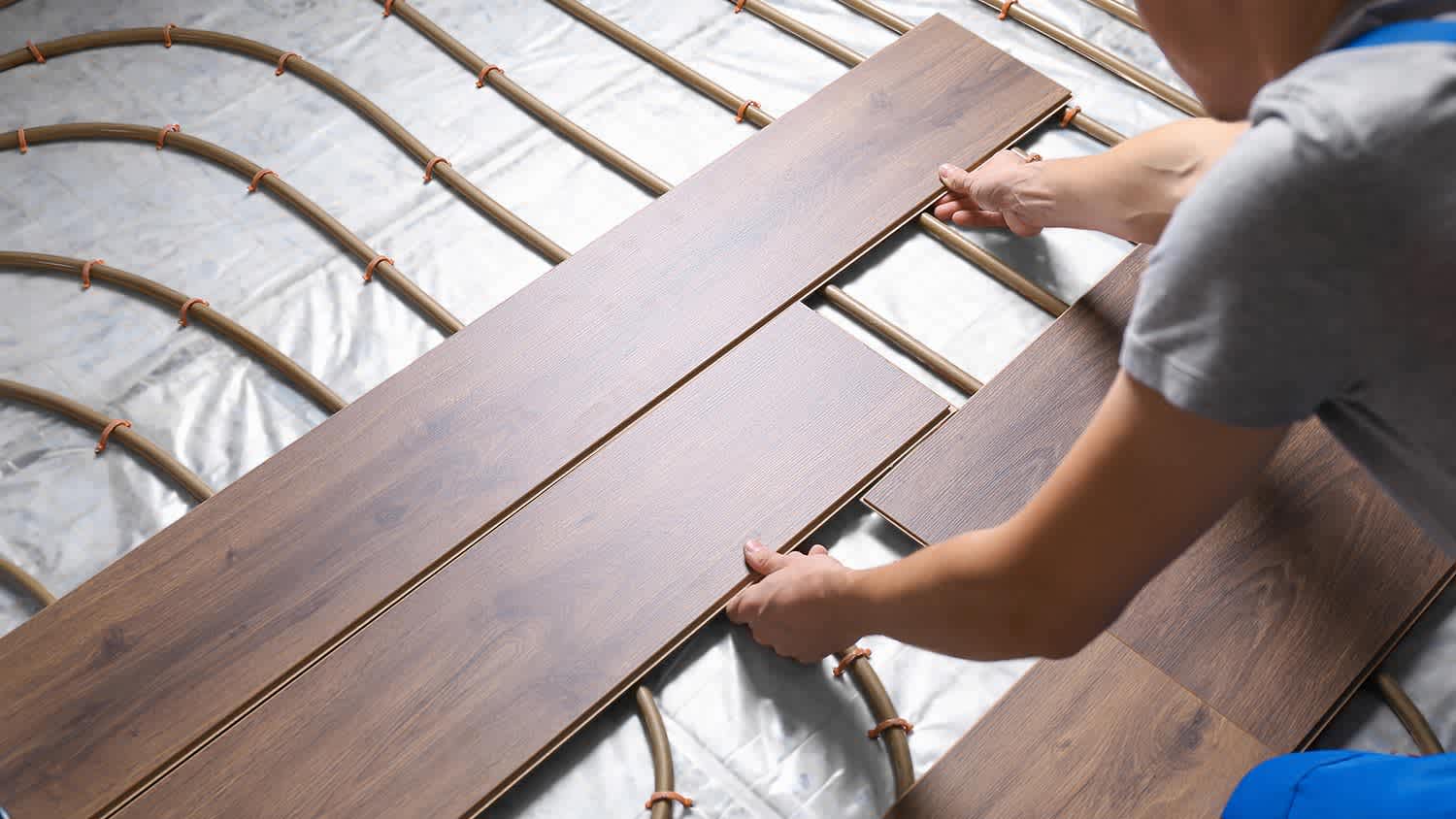
Get expert insights on radiant heating repair cost, including average prices, cost factors, and ways to save. Learn what impacts your radiant heating repair bill.

Warm floors, warm feet. Learn how much radiant heated floor costs, types of radiant floor heating systems, and pros and cons.
How does a radiant barrier work? This alternative insulation is effective at cooling a home, but its unique mechanism won’t provide the same heating benefits.
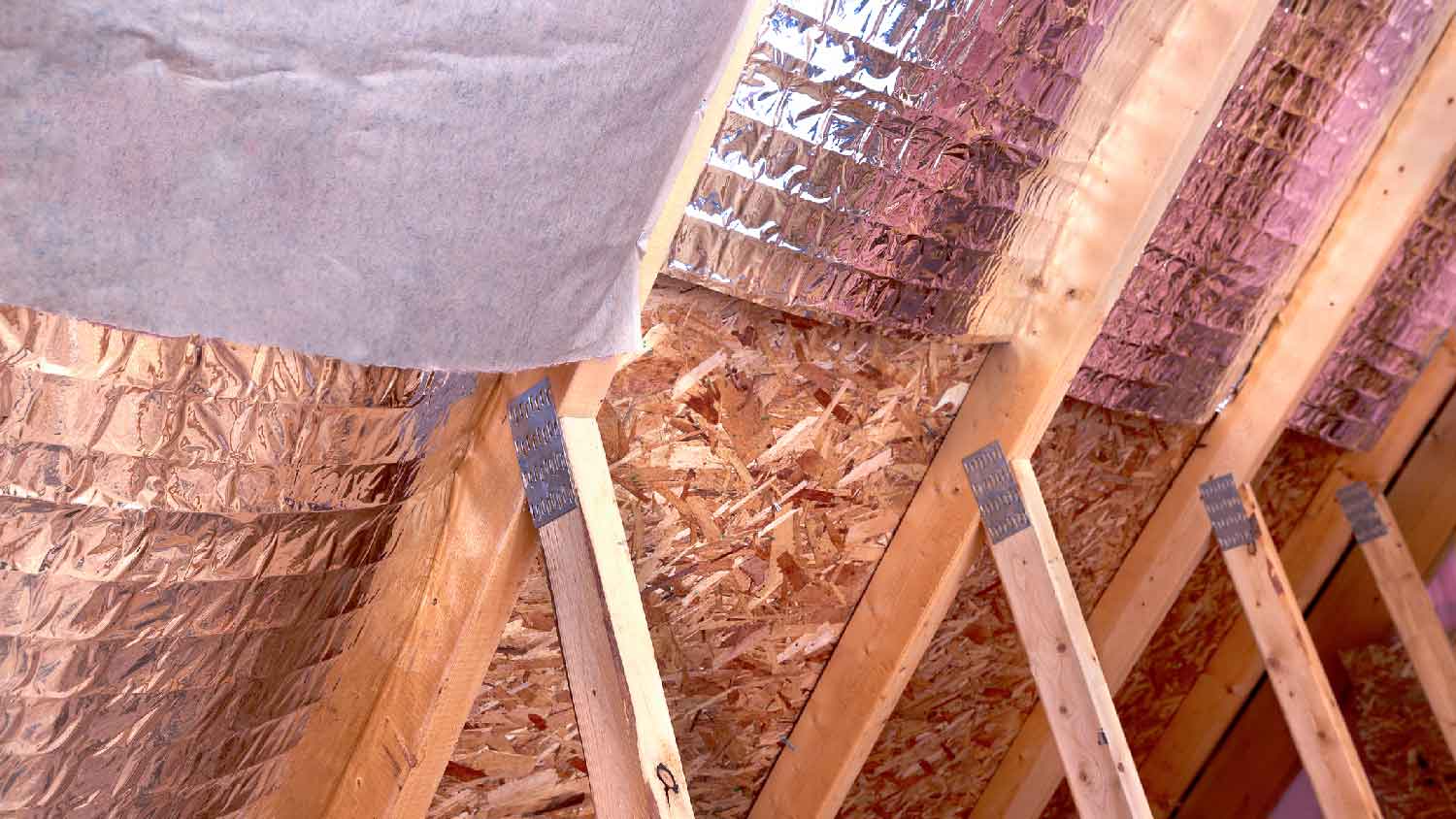
Is a radiant barrier worth it for your home? It depends on the climate where you live, installation factors, and the cost of keeping your home cool.
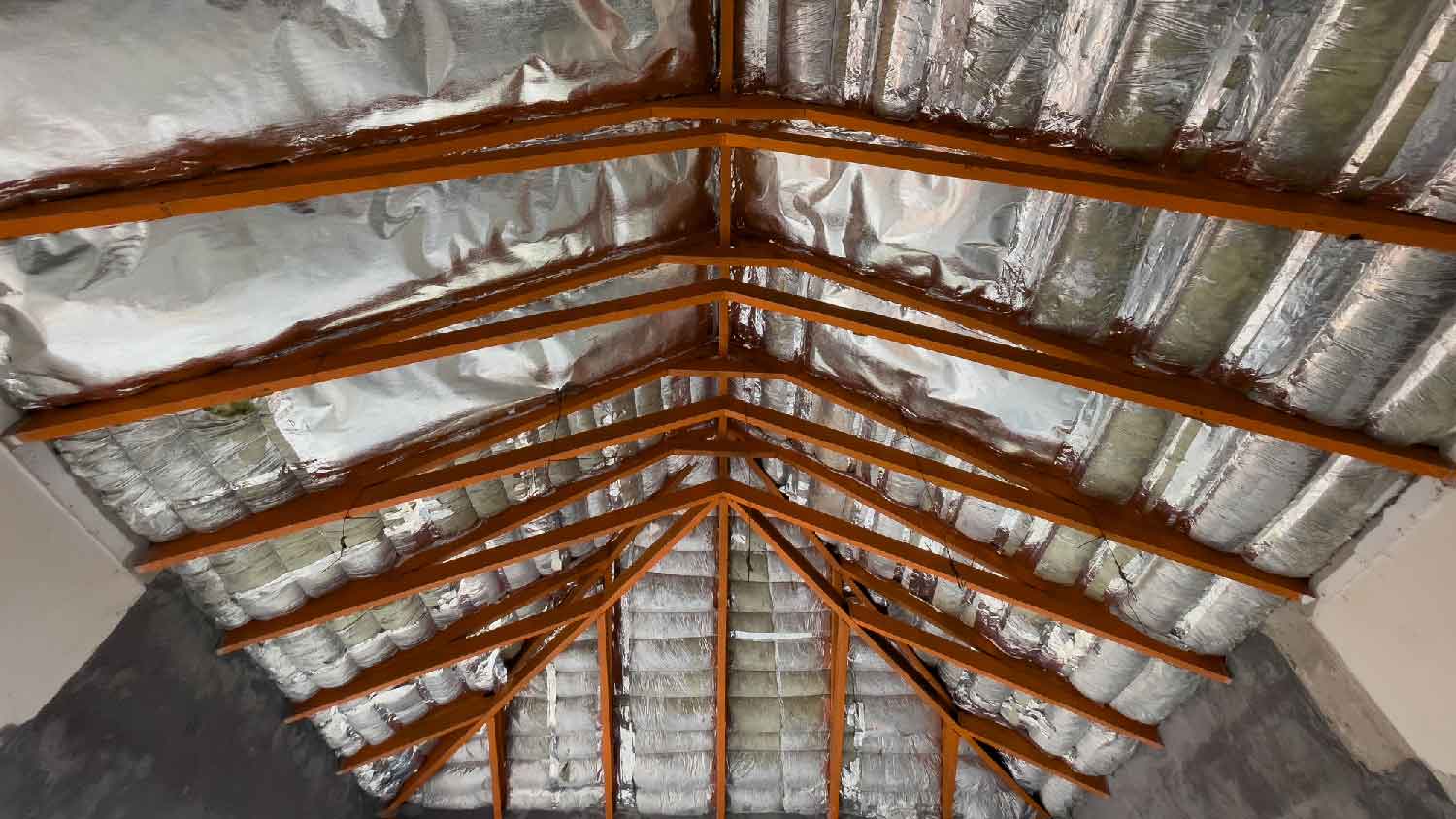
What is a radiant barrier? This reflective building material is designed to reduce heat transfer and save you money on energy costs.