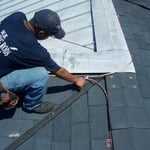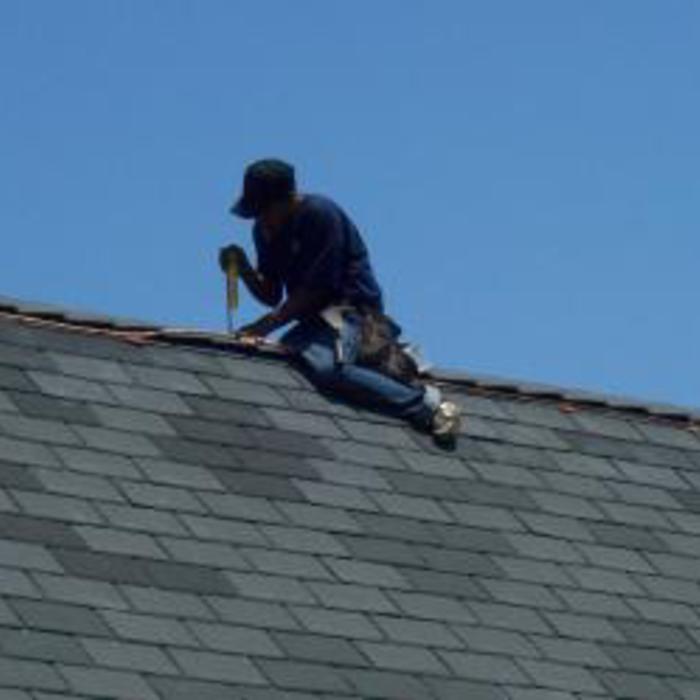









"WB Lightning Rods did an excellent job installing lightening rods on our home. The owner stayed onsite the entire time to supervise the work. He took extra care to plan the rod and cable placement to ensure the proper protection and retain the aesthetics of our home. His crew were knowledgeable, polite, neat and efficient. We could not be more pleased with the results."
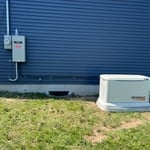
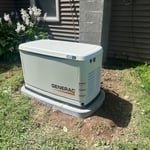
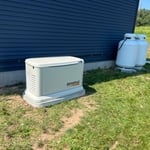
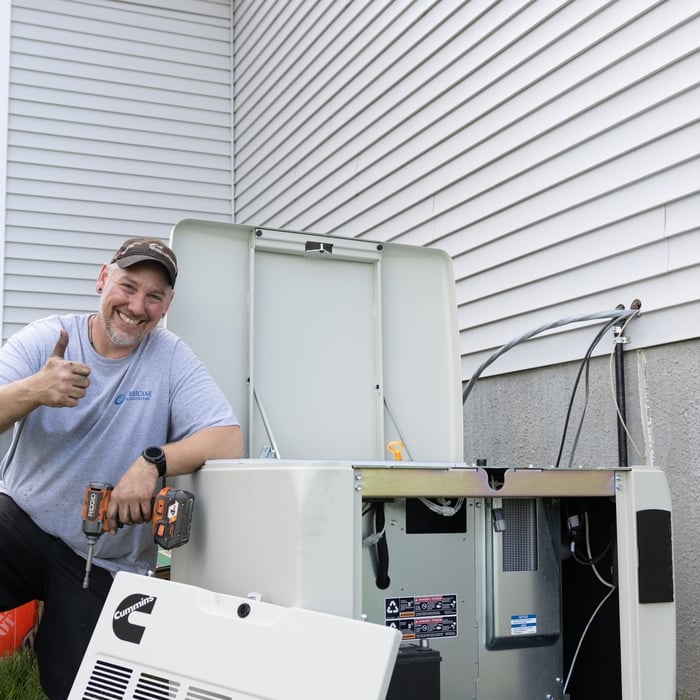
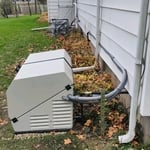
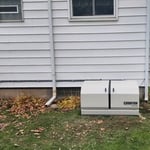
Hurricane Generators keeps your home powered—no matter what the storm brings. We specialize in selling, installing, and maintaining premium home standby generators from trusted brands like Generac, Cummins, and Champion. Whether it’s a hurricane, ice storm, or unexpected outage, we make sure your lights stay on, your appliances run, and your family stays safe.\n\nFrom the moment you call, our experts guide you through every step—helping you choose the perfect generator, delivering a clean, professional installation, and providing ongoing service to keep it running flawlessly year after year. With fast response times and flexible maintenance plans, you can rest easy knowing your backup power is always ready.\n\nAt Hurricane Generators, we don’t just install equipment—we deliver peace of mind. When the power goes out, you won’t skip a beat.
With over 25 years of experience in the handyman industry, we are the experts you need to take care of your home or business. We handle everything from home to business. We will treat your home as we would treat our own. Give Quick Maintenance Service, LLC a call today, we look forward to working with you!\n\n
"These guys are the perfect group for anything in the low voltage world and they’re expanding to different sectors all the time. I’m going to them for my website needs!!!"
"I was very happy with the work that was completed on my kitchen drawer. The gentleman was very professional and polite. He worked efficiently and did a very good job. I would recommend him to everyone. Thank you to him."
The National Electric Code states that outlets should not be spaced more than 12 feet apart, and there should be an outlet placed every 6 feet at the floor line in areas designated as living spaces. Most homes in the United States have 75 outlets, but it will depend on the amount you need based on your home's size and your needs.
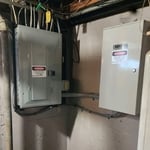
The life expectancy of a home electrical panel is typically around 25 to 40 years. However, this can vary based on usage, maintenance, and technological advancements. Regular inspections by a qualified electrician can help determine the condition and potential need for replacement as your panel ages. Factors like overloading, outdated components, or wear and tear might prompt earlier replacements for safety and efficiency reasons.
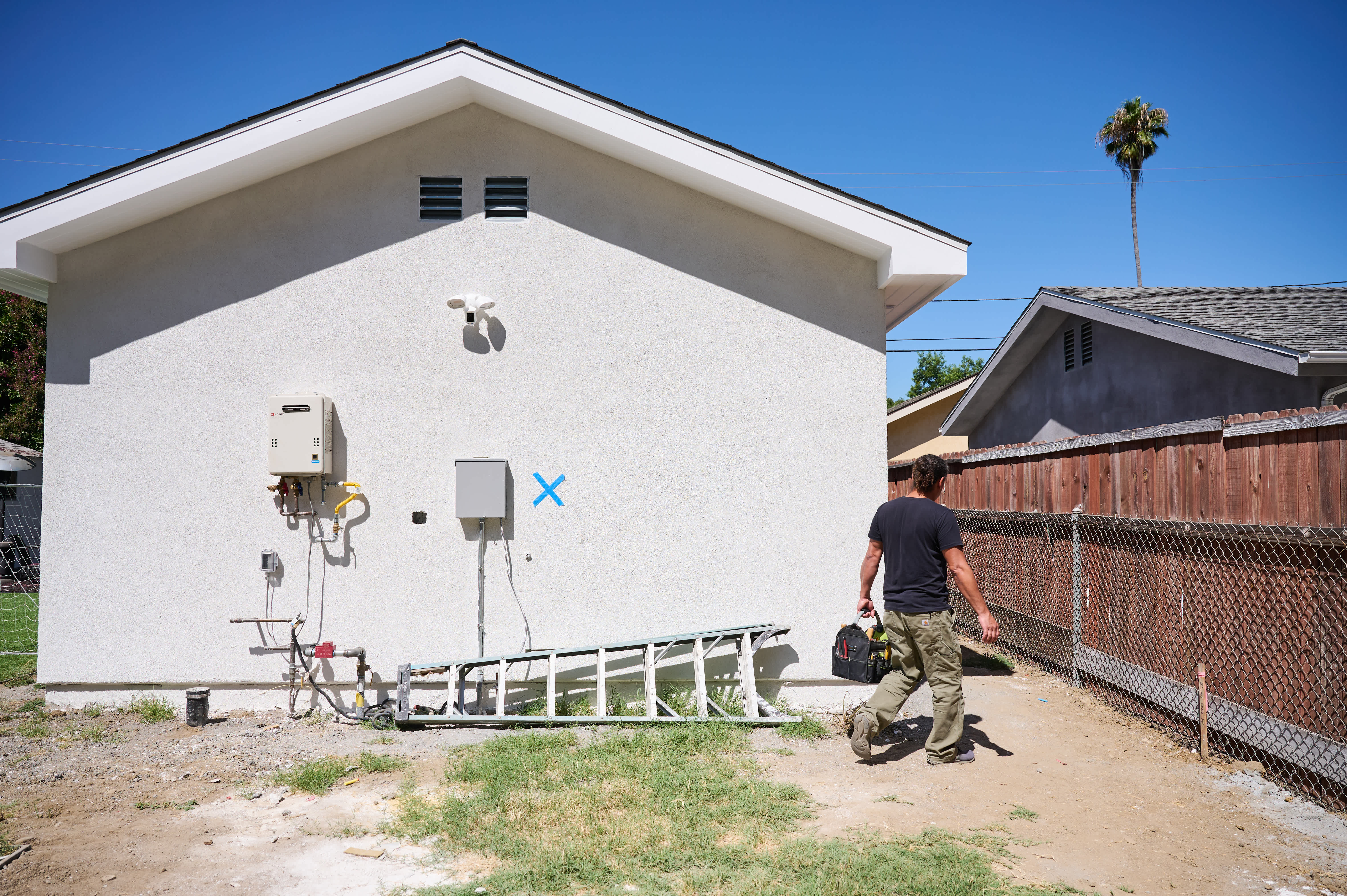
Moving an electrical meter in your home depends on what your electric utility company allows. If you only want to move it a few inches, that may be no problem or only incur light fees. If you want to move it a significant distance, you may need to arrange a utility inspection and get permission, or your utility company may prevent it altogether.
Aluminum wiring can pose a fire risk as it can overheat, expand, and contract, leading to failing splices and loose connections. If your home has aluminum wiring, it requires careful maintenance and potential safety upgrades. The first step is to hire a licensed electrician to conduct a thorough inspection.
A complete replacement with copper wire is the safest option but can be very expensive and is not always necessary. Other safety measures and upgrades include:
Copper Pigtailing: A more budget-friendly option where a short section of copper wire is added to each end of the aluminum wire. This is only appropriate for certain homes.
Aluminum-Compatible Outlets: Installing outlets specifically designed for use with aluminum wiring.
Anti-Oxidant Paste: Applying this paste to connections to prevent oxidation.
Consulting with a qualified electrician is essential to assess the condition of your wiring and determine the most appropriate updates to meet current safety standards.
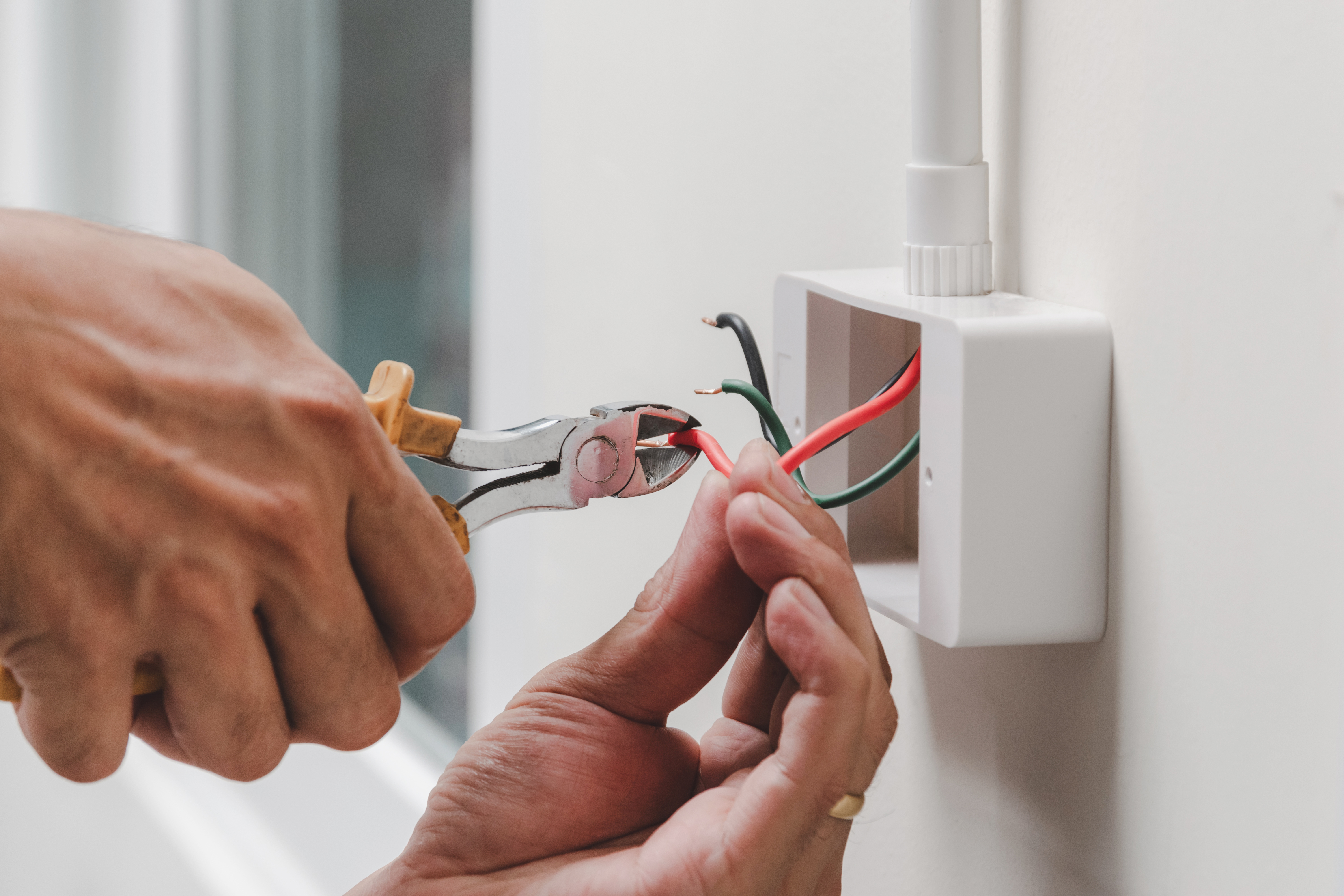
It wouldn’t be abnormal to view all wiring as simply wiring, but wiring has different gauges and can handle different loads. When you’re wiring for 240V, you need wire that is rated at least 240V, but honestly it’s better to spend a little more and just buy 300V wiring. This ensures a margin of safety in case the wiring gets overloaded.
The Delmar, PA homeowners’ guide to electrical services
From average costs to expert advice, get all the answers you need to get your job done.
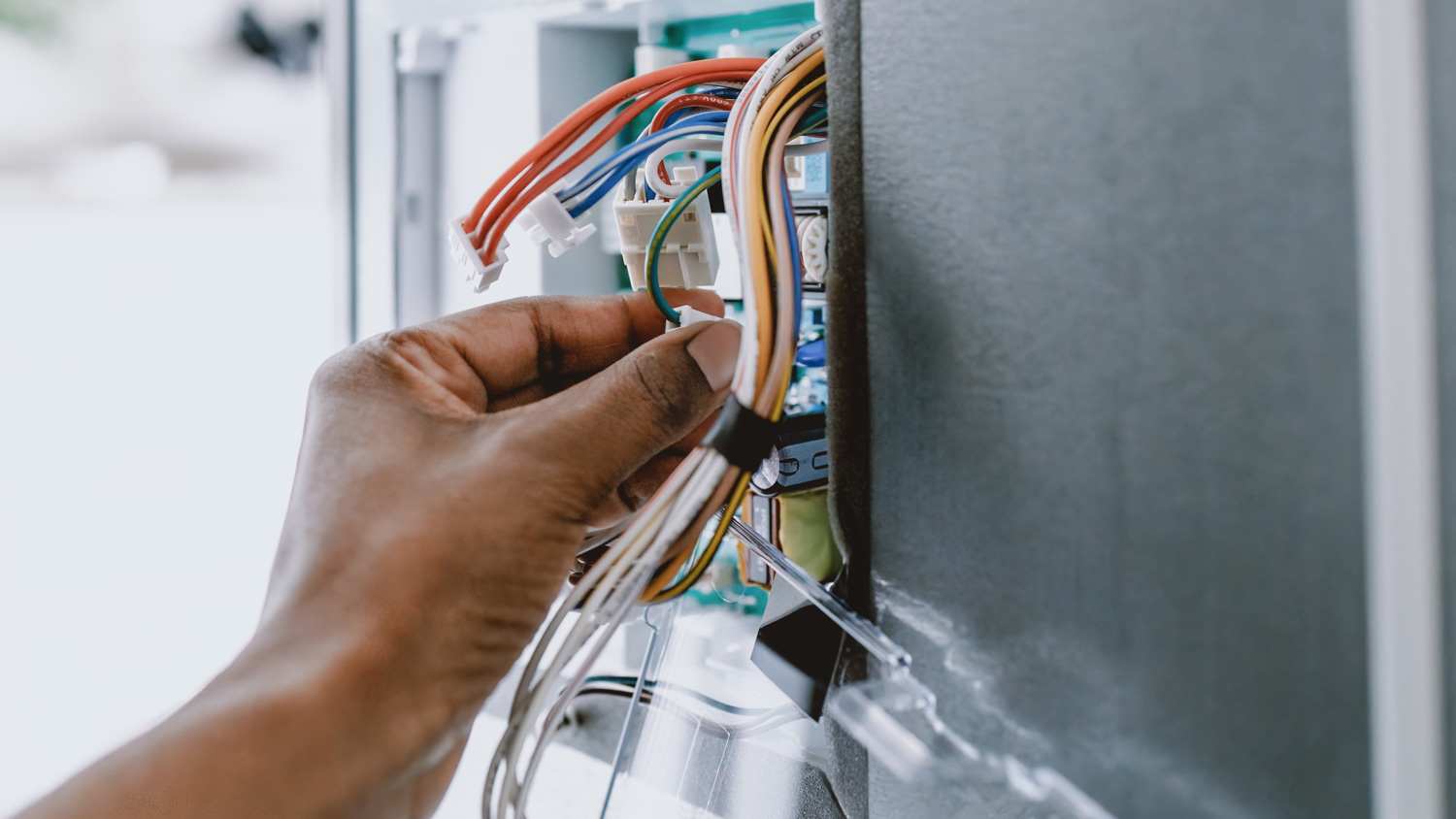
Is it time to upgrade your electrical panel? For the sake of safety, find out sooner than later by exploring our top signs that it’s time for an upgrade.